Common Warning Signs Patients Should Not Ignore in Care

Patients often perceive healthcare as a system that operates in their best interest, focusing on their well-being and health outcomes. There are warning signs within the healthcare trajectory that can indicate a serious problem, leading to possible complications if ignored. Recognizing these signs empowers patients and instigates necessary actions that could prevent worsening health situations. Knowledge of these alarming indicators is crucial, as they may range from subtle changes in symptoms to outright negligence.
Understanding the Importance of Communication
Efficient communication between patients and healthcare providers forms the backbone of effective treatment. Patients need to convey their symptoms thoroughly and accurately, helping physicians make informed decisions. If communication falters, misunderstandings can arise, leading to misdiagnoses or inappropriate treatments. Symptoms that persist or worsen, even after treatment has started, should never be dismissed. Patients should never hesitate to reach out if they notice any changes in their condition or if initial treatments appear ineffective.
If multiple appointments yield no improvement, it might be time to seek a second opinion. Being vigilant and proactive in discussions about health lays the groundwork for better outcomes. In chronic conditions, regular updates and open dialogues with medical staff are pivotal for successful management and avoiding potential crises. Recognizing that a lack of follow-up may signal provider negligence is important, and patients should remain persistent in advocating for their health.
Chronic Pain and Its Implications
Sustained pain levels are another vital sign that warrants immediate attention. Chronic pain, rather than acute or transient discomfort, can indicate underlying issues that may not be visible during routine examinations. Patients experiencing pain that lingers beyond normal recovery periods must ensure that healthcare providers take their concerns seriously. This prolonged discomfort could signify a more significant medical problem that needs further investigation. A misconception exists that patients should tolerate pain, which can lead to serious consequences if not addressed.
Pain can affect mental well-being, leading to issues like anxiety and depression if left untreated. Seeking assistance from highly knowledgeable professionals is vital, particularly when existing methods fail to alleviate discomfort. Engaging with a top-rated malpractice law office can provide insights into navigating concerns when healthcare providers do not adequately respond to alarming symptoms. Ignoring persistent pain may likely lead to complications that extend beyond the original ailment.
Changes in Mental Health
Mental health is intricately linked to well-being, and any sudden changes require evaluation. Mood swings, heightened anxiety, or withdrawal can all indicate that something is off. Increased levels of stress affect psychological health and manifest physically, influencing bodily functions. Patients exhibiting signs of mental distress should discuss these changes with their healthcare providers openly. Lack of acknowledgment regarding mental health symptoms can lead to a vicious cycle of feeling sidelined and unworthy of care.
Mental health should never take a backseat to physical symptoms, as they frequently overlap. Establishing a connection between emotional well-being and physical health empowers patients to seek the necessary support and treatment. Mental illness deserves the same urgency as physical ailments, and healthcare systems need to prioritize mental well-being in treatment plans. Observing these shifts aligns patients with proper resources and support networks capable of addressing their unique needs.
Fever and Other Symptoms of Infection
A persistent fever or signs of infection should never be overlooked. Fever is often the body’s way of signaling an underlying infection, and prolonged symptoms could indicate a more severe condition. Symptoms like redness, swelling, or heat around a wound demand immediate medical attention, as they can signal substantial problems. Having a higher white blood cell count rightfully raises concern, warranting prompt evaluation to rule out serious infections. Addressing these symptoms quickly can significantly improve health outcomes.
Patients must feel encouraged to articulate any unusual symptoms to their healthcare provider. Taking a proactive approach can lead to timely interventions that may suffice to avert serious complications. Building a rapport with medical professionals enhances the likelihood that patients’ concerns about infections will be monitored closely. Such vigilance is critical for long-term health management.
Unexpected Changes in Physical Health
Unexplained changes in weight, appetite, or energy levels can suggest underlying medical conditions that should not be ignored. Sudden weight loss or gain can have multiple causes, ranging from hormonal imbalances to serious metabolic disorders. Patients experiencing substantial changes in physical health should engage in discussions with their doctors to investigate potential causes. It is vital to never attribute these shifts solely to lifestyle changes without considering the possibility of underlying health issues.
Ensuring comprehensive evaluations can facilitate early diagnosis and treatment options. A thorough review of a patient’s history, family health background, and lifestyle choices aids in forming a complete picture of their health profile. Being attentive to the body’s signals allows healthcare providers to form targeted treatment strategies that address identified issues effectively.
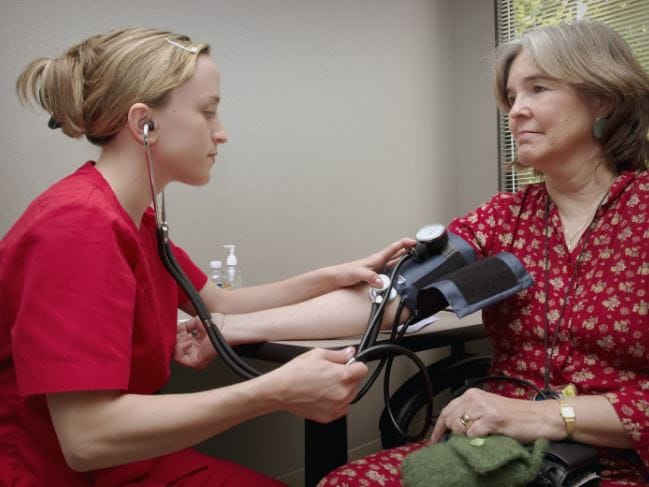
Recognizing warning signs in healthcare can undeniably dictate patient outcomes and quality of care. Understanding the nuances of communication, pain management, mental health, and observable physical changes can significantly impact one’s treatment experience. Empowering oneself to ask questions and demand further examination when necessary not only enhances personal healthcare but can potentially save lives. Being a proactive participant in one’s health journey equips patients with the tools to identify reasons for concern and promotes a culture of advocacy in healthcare.