Can You Use Windex on Granite? An Expert Cleaning Guide

Granite countertops are a stunning and durable investment for any kitchen or bathroom. Their natural beauty and resilience, however, come with a specific set of care instructions. A common question homeowners ask is, “Can I use Windex on my granite?” The short answer is no, and this guide will explain exactly why, while providing safe, effective alternatives to keep your granite looking pristine for years to come.
Why Windex is a No-Go for Granite Surfaces
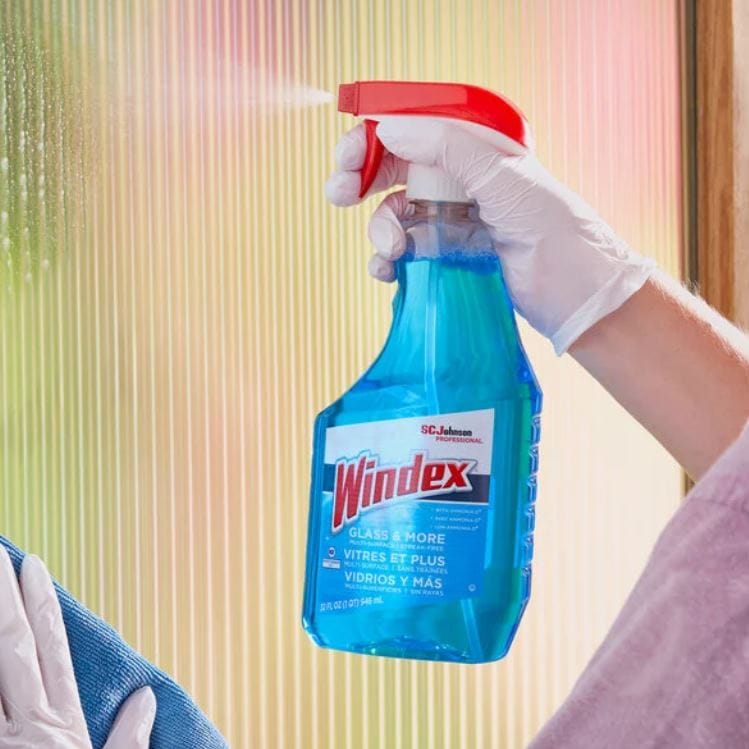
While Windex is a fantastic cleaner for glass and some other hard surfaces, it is not formulated for the delicate chemistry of natural stone. Using it on granite can lead to long-term damage. The primary reasons are twofold:
- Harsh Chemicals: Many Windex formulas, especially the classic blue original and those with ammonia, contain chemicals that are too harsh for granite. These substances can gradually break down the protective sealant applied to the stone’s surface.
- Acidic and Alkaline pH: Granite is sensitive to extreme pH levels. Some Windex variants are acidic (like the Vinegar formula), while others are alkaline. Both can etch or dull the polished surface of the granite, making it lose its signature shine.
As one industry expert puts it:
“Think of your granite’s sealant as its immune system. Harsh cleaners like Windex slowly compromise that system, leaving the stone vulnerable to stains and etching. You wouldn’t use bleach to care for fine wood; don’t use Windex on fine stone.”
The Safe & Simple Way to Clean Granite Daily
The best method for daily cleaning is surprisingly simple and requires only two ingredients. This routine will effectively clean your counters without risking damage to the sealant or the stone itself.
What You’ll Need:
- A clean, soft microfiber cloth or sponge
- Mild dish soap (neutral pH)
- Warm water
Step-by-Step Process:
- Mix the Solution: Add a few drops of mild dish soap to a bowl of warm water. You only need a small amount to cut through grease and grime.
- Wipe Down: Dampen your microfiber cloth in the soapy water, wringing it out thoroughly so it’s not dripping wet. Excess water can seep into seams and potentially weaken the adhesive.
- Clean the Surface: Wipe the granite in a circular motion, focusing on any sticky or dirty spots.
- Rinse and Dry: Rinse your cloth with clean water, wring it out, and wipe the surface again to remove any soapy residue. Finally, dry the countertop completely with a separate dry microfiber cloth. This final drying step is crucial for preventing water spots and maintaining a streak-free shine.
Tackling Stains and Disinfecting Granite Safely
For times when you need a deeper clean or want to disinfect your granite, you still have safe and effective options.
- For Disinfection: Use a 50/50 solution of 70% isopropyl alcohol and water in a spray bottle. Spray it on the surface, let it sit for 3-5 minutes to disinfect, and then wipe dry. Alcohol is a effective disinfectant and evaporates quickly, leaving no residue.
- For Stubborn Stains: For dried-on food or grease, you can use a specialized granite cleaner. These products are pH-balanced and designed specifically to clean and enhance the natural stone without harming the sealant.
Granite Cleaner Comparison Table: What to Use vs. What to Avoid
To make your cleaning choices clear, here is a quick-reference table comparing different cleaning agents.
| Cleaning Agent | Safe for Granite? | Key Reason | Best For |
|---|---|---|---|
| Dish Soap & Water | ✅ Yes | Neutral pH, gentle, effective | Daily cleaning and maintenance |
| Isopropyl Alcohol Spray | ✅ Yes | Evaporates quickly, disinfects | Sanitizing and cutting grease |
| Commercial Granite Cleaner | ✅ Yes | Specifically pH-balanced for stone | Deep cleaning and enhancing shine |
| Windex (Ammonia/Vinegar) | ❌ No | Harsh chemicals, wrong pH | Not recommended for granite |
| Vinegar & Lemon Juice | ❌ No | Highly acidic, causes etching | Not recommended for granite |
| Abrasive Cleaners (e.g., Soft Scrub) | ❌ No | Scratching agents dull the polish | Not recommended for granite |
Proactive Protection: Beyond Just Cleaning
Proper care extends beyond the cleaner you use. Follow these tips to protect your investment:
- Use Coasters and Trivets: Always use coasters under glasses, especially those containing alcohol or citrus juices. Place trivets or hot pads under pots and pans to prevent thermal shock.
- Blot Spills Immediately: Especially spills from wine, coffee, oils, and acidic liquids like juice or soda.
- Re-seal Regularly: Granite countertops need to be sealed periodically to maintain their stain resistance. A simple water bead test can tell you if it’s time: sprinkle a few drops of water on the surface. If it beads up, your seal is strong. If it absorbs and darkens the stone within a few minutes, it’s time to re-seal.
Final Verdict: Skip the Windex
So, can you use Windex on granite? The definitive answer is no. While it might not cause immediate, catastrophic damage, its repeated use will degrade the sealant and dull the luxurious finish of your stone.
Stick to the simple, safe trio of dish soap, water, and isopropyl alcohol for daily and disinfecting needs. By following this expert guide, you can ensure your granite countertops remain a beautiful and functional centerpiece in your home for a lifetime.