Can You Use Leather Cleaner on Faux Leather? The Ultimate Guide
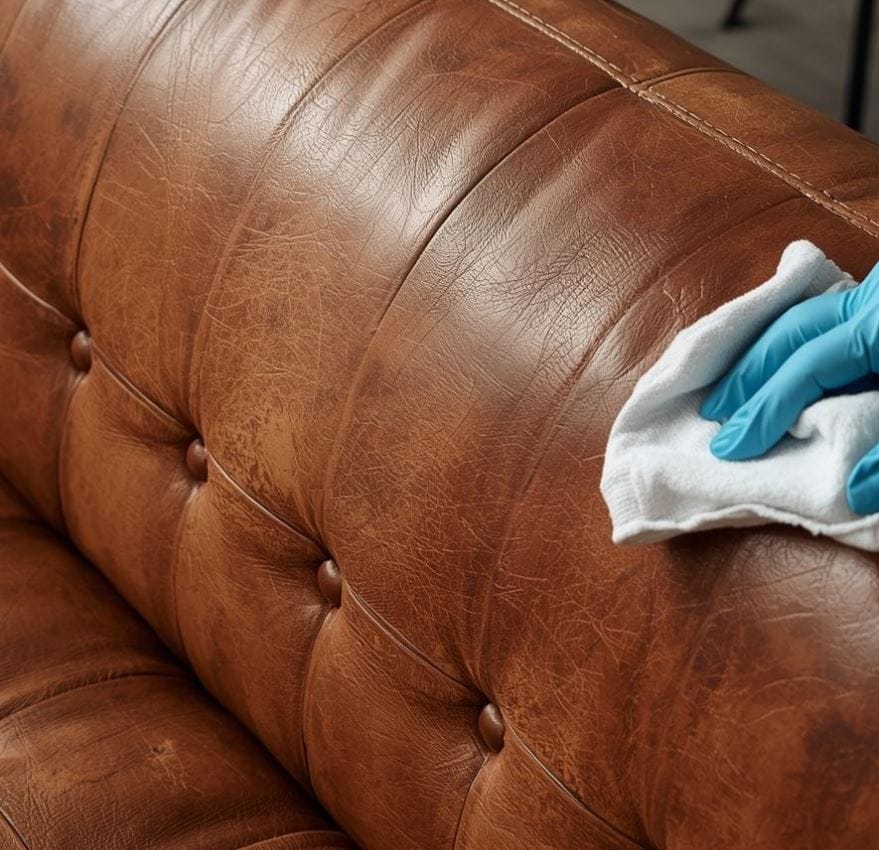
Faux leather has become a popular, affordable, and animal-friendly alternative to genuine leather, appearing in everything from sofas and car seats to jackets and handbags. But when it comes to cleaning, a common and costly question arises: can you use leather cleaner on faux leather? The short answer is generally no, and using the wrong product can lead to irreversible damage. In this guide, we’ll explain why, provide safe cleaning methods, and give you a clear comparison to keep your faux leather looking its best.
Understanding the Fundamental Difference
To understand why you can’t blindly use the same cleaner, you need to know what each material is made of.
- Genuine Leather is a natural, porous material made from animal hide. It requires conditioners and cleaners designed to penetrate and nourish the fibers without stripping natural oils.
- Faux Leather (Synthetic Leather) is a man-made material, typically a fabric base (like polyester) coated with a plastic layer, usually PVC (Polyvinyl Chloride) or PU (Polyurethane). This plastic coating is non-porous and has different chemical properties.
Using a leather cleaner designed for natural hides on a plastic-coated surface can be ineffective or harmful. Many leather cleaners contain oils and solvents that can break down the plastic coating, causing it to become sticky, crack, or peel.
Leather Cleaner vs. Faux Leather: A Quick Comparison Table
| Feature | Genuine Leather | Faux Leather (PU/PVC) |
|---|---|---|
| Material | Natural, porous animal hide | Synthetic, plastic-coated fabric |
| Cleaning Agents | pH-balanced leather soaps, saddle soap, gentle conditioners | Mild soap (dish soap), water, vinegar solutions |
| Agents to AVOID | Harsh chemicals, ammonia, bleach | Oil-based cleaners, solvents, abrasive scrubs, harsh chemicals |
| Key Maintenance | Cleaning + Conditioning to replenish oils | Cleaning only. Conditioners are NOT needed and can cause damage. |
| Risk of Wrong Product | Drying out, cracking over time | Immediate damage: discoloration, peeling, sticky residue |
How to Safely Clean Faux Leather: A Step-by-Step Guide
For routine cleaning, follow this simple, safe method:
What You’ll Need:
- Soft microfiber cloths (2-3)
- Lukewarm water
- A few drops of mild dish soap or castile soap
- A bowl
Steps:
- Dust: Wipe the entire surface with a dry microfiber cloth to remove loose dust and grit.
- Prepare Solution: In a bowl, mix a cup of lukewarm water with 2-3 drops of mild soap. Less is more.
- Clean: Dampen a second microfiber cloth in the solution, wring it out until it’s only slightly damp—never wet. Gently wipe the faux leather in circular motions.
- Rinse: Dampen a third cloth with clean water (wrung out well) and wipe the surface to remove any soapy residue.
- Dry: Immediately and thoroughly dry the area with a clean, dry microfiber cloth. Never let moisture air dry on the surface.
- Test First: Always perform steps 2-5 on a small, inconspicuous area (like a back corner or underside) before cleaning the entire piece.
What About Specialized Faux Leather Cleaners?
Yes, they exist and are the best option for dedicated care. Look for cleaners specifically labeled for:
- “Vinyl”
- “Synthetic Leather”
- “Faux Leather”
- “PU/PVC”
These products are formulated to clean without degrading the plastic polymers. For added protection, especially on items like car interiors, you can use a water-based vinyl protectant to guard against UV rays and cracking.
What to Do for Stains and Disinfection
- Sticky Spills & Grease: Use a small amount of rubbing alcohol (isopropyl alcohol) on a microfiber cloth. Test first, use sparingly, and follow with the soap-and-water method.
- Disinfecting: Mix a 1:1 solution of white vinegar and water. Apply lightly with a cloth, then wipe with water and dry thoroughly. Vinegar is gentle and effective against germs without harming the plastic coating. Avoid bleach or ammonia-based cleaners.
FAQ: Your Faux Leather Questions Answered
Q: Can I use Armor All or similar protectants on faux leather?
A: Be cautious. Some silicone-based protectants can create a slippery film. Opt for a water-based, matte-finish vinyl protectant instead.
Q: What if I already used leather cleaner on my faux leather?
A: Wipe it off immediately with a damp cloth and dry thoroughly. If the surface feels oily or sticky, clean with the mild soap solution. Damage like discoloration or peeling is often permanent.
Q: How can I repair cracked faux leather?
A: Small cracks can be temporarily concealed with a faux leather repair kit, which includes a colored filler and sealant. However, severe damage usually requires reupholstering or replacing the item.
Q: Can I use baby wipes?
A: Some non-alcoholic, fragrance-free baby wipes can be used for quick dusting, but check ingredients and test first. Many contain moisturizers that can leave a residue.
The Bottom Line
Do not use leather cleaner or conditioner on faux leather. The fundamental chemical mismatch can degrade its plastic coating. For long-lasting beauty, stick to simple solutions of mild soap and water, or invest in a cleaner specifically formulated for vinyl or synthetic materials.
By following these guidelines, you can ensure your faux leather furniture, clothing, and accessories remain clean, vibrant, and intact for years to come, proving that with the right care, faux leather can be a durable and stylish choice.