Can You Iron Nylon? A Complete Guide to Safely Pressing Delicate Fabrics
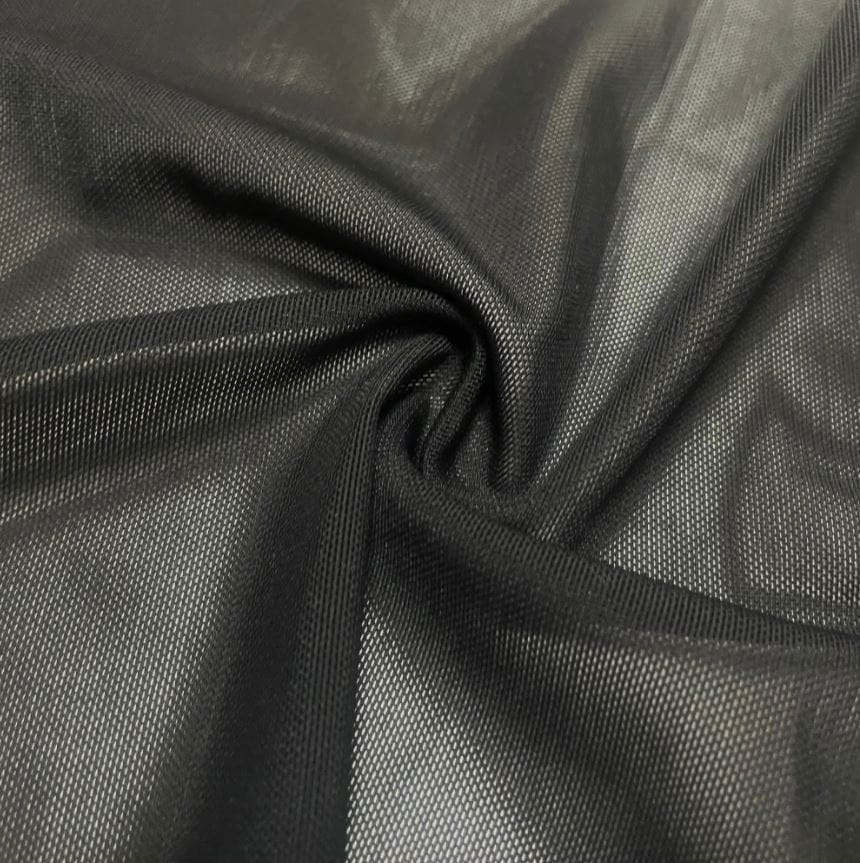
You’ve just pulled your favorite nylon windbreaker or a delicate lingerie item from the laundry, only to find it covered in stubborn wrinkles. Your first instinct might be to reach for the iron, but then you hesitate. Can you iron nylon? This is a common dilemma, and the answer isn’t a simple yes or no.
The short answer is yes, you can iron nylon, but only with extreme caution and under very specific, low-heat conditions. Nylon is a synthetic thermoplastic polymer, which is a scientific way of saying it’s very sensitive to heat and can melt, scorch, or become shiny and stiff if exposed to high temperatures.
As fabric care expert, Sarah James, from The Laundry Lab, notes:
“Nylon is one of the most common synthetic fabrics, prized for its strength and elasticity. However, its greatest strength becomes its biggest weakness when it comes to heat. Applying a standard cotton iron setting to a nylon jacket is a recipe for disaster. The key is gentle, indirect heat.”
This definitive guide will walk you through the safe steps to de-wrinkle your nylon garments without causing irreversible damage.
Why Ironing Nylon is So Tricky: The Science of Synthetic Fibers
Nylon was first developed in the 1930s as a synthetic alternative to silk. Its fibers are made from polymers that are sensitive to high temperatures. When you exceed their heat tolerance, the fibers don’t just burn; they can actually melt and fuse together. This results in:
- Glazing or Shining: The fabric surface becomes unnaturally glossy.
- Scorching: Yellow or brown burn marks appear.
- Melting: The fabric literally deforms, becoming hard and sticky.
Understanding this risk is the first step to safely managing it.
Step-by-Step: How to Safely Iron Nylon
Follow these steps meticulously to remove wrinkles without damaging your garment.
What You’ll Need:
- An iron with adjustable temperature settings
- A clean, white press cloth or a thin cotton towel (e.g., a pillowcase)
- An ironing board
- Distilled water (if using steam)
The Safe Ironing Process:
- Check the Care Label: This is your most important source of truth. Look for the iron symbol. If it has one dot (•) or says “Low Heat,” you can proceed with caution. If it has an “X” over the iron, do not iron it.
- Use the Lowest Heat Setting: Turn your iron to the lowest possible temperature setting, often labeled “Synthetic,” “Nylon,” or “Low.”
- Employ a Press Cloth (Non-Negotiable): Never let the iron’s soleplate touch the nylon fabric directly. Place a dry or slightly damp press cloth between the iron and the garment. This creates a crucial buffer that disperses the direct heat.
- Iron Inside-Out: For an extra layer of protection, turn the garment inside out. This minimizes the risk of creating a shine on the right side of the fabric.
- Keep the Iron Moving: Do not let the iron sit in one spot. Use a continuous, gliding motion to press the fabric quickly.
- Use Steam Cautiously: If your iron has a steam function, you can use a light burst, but ensure the press cloth is in place. Never use the iron’s “spray” function directly on nylon, as it can leave water spots.
Ironing Nylon vs. Other Common Fabrics: A Quick Comparison
The rules for ironing vary drastically by fabric type. Here’s a quick comparison to put nylon’s delicacy into perspective.
| Fabric | Recommended Iron Setting | Can You Use Steam? | Special Instructions |
|---|---|---|---|
| Nylon | Low (•) | With caution, indirect | Always use a press cloth. Iron quickly, never let the iron rest. |
| Polyester | Low (•) | Yes | Use a press cloth for dark colors to prevent shining. |
| Cotton | High (•••) | Yes, and highly recommended | Dampen fabric for best results. You can press firmly. |
| Silk | Low/Medium (•/••) | Yes, with care | Iron inside-out on the wrong side while the fabric is still slightly damp. |
| Wool | Medium (••) | Yes, with a steam iron | Use a steam iron or a damp press cloth to avoid crushing the fibers. |
| Linen | High (•••) | Yes | Iron while still damp for a crisp finish. |
Safer Alternatives to Ironing Nylon
If the idea of ironing your nylon garment still makes you nervous, try these effective and safer methods first.
- The Tumble Dry Trick: Toss the wrinkled nylon item into the dryer with a damp, clean towel. Run it on a low heat or air fluff setting for 10-15 minutes. The damp towel creates steam inside the dryer, which helps relax the wrinkles.
- The Steamy Bathroom: Hang the garment in your bathroom while you take a hot shower. The steam in the air will naturally help release wrinkles. Gently smooth the fabric with your hands afterward.
- Handheld Garment Steamer: This is the safest and most recommended method. The steam from a garment steamer penetrates the fibers without applying direct, scorching heat. Always hold the steamer a few inches away from the fabric and keep it moving.
Final Verdict and Key Takeaways
So, can you iron nylon? Yes, but it should be your last resort.
The golden rule is always to prioritize gentler, heat-free methods like steaming. If you must use an iron, treat the nylon fabric with respect: low heat, a protective press cloth, and a constant motion are non-negotiable.
By following this guide, you can confidently tackle wrinkles on your nylon activewear, jackets, and delicate items, ensuring they look pristine without falling victim to a common laundry mishap.