Can Bed Bugs Live in Your Hair? An Expert Debunks the Myth
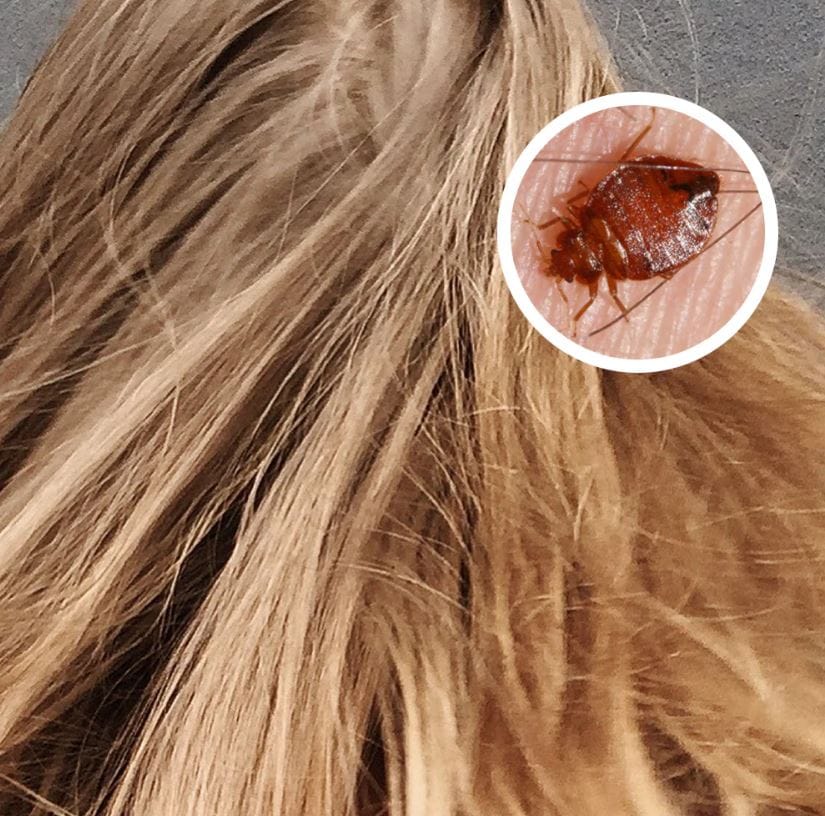
The short, reassuring answer is no, bed bugs do not live in your hair.
While the idea is unsettling, bed bugs are biologically and behaviorally unsuited for making a home in your scalp. Understanding why requires a look at their anatomy and habits.
Dr. Eleanor Vance, a board-certified entomologist, explains:
“Bed bugs are parasites that have evolved specifically for a certain lifestyle. They are cryptic, hiding in tight, dark crevices near their host, emerging only for a blood meal. The human scalp is an unstable environment—it’s exposed, frequently disturbed by movement and washing, and lacks the safe, harborages they need to thrive and reproduce.”
Why Your Scalp is a Terrible Home for a Bed Bug
Bed bugs are not like lice. They have fundamentally different physical needs and survival strategies. Here are the key reasons they avoid setting up camp in your hair.
1. Physical Anatomy and Movement
Bed bugs have flat, broad bodies designed for hiding in the seams of mattresses, furniture cracks, and electrical outlets. Navigating through dense hair is difficult and inefficient for them. They are not built for gripping hair shafts like lice or ticks.
2. Preferred Habitat and Behavior
These insects are thigmotactic, meaning they prefer tight spaces where their bodies are in contact with surfaces on all sides. This makes them feel secure. The open, shifting landscape of a human head offers none of this security.
3. Egg-Laying Requirements
Female bed bugs need stable, protected surfaces to lay their eggs, which they cement in place. They would not glue their eggs to moving hair strands where they would easily become dislodged and fail to hatch.
Bed Bugs vs. Lice: A Quick Comparison Table
It’s easy to confuse different pests, but their behaviors are distinct. Here’s a clear breakdown.
| Feature | Bed Bugs | Head Lice |
|---|---|---|
| Primary Habitat | Mattresses, box springs, bed frames, furniture cracks, baseboards | The human scalp and hair shafts |
| Movement on Hair | Clumsy and inefficient; not built for it | Agile; specially adapted claws for gripping hair |
| Egg Placement (Nits) | Cemented to hidden, hard surfaces near the host | Cemented firmly to the base of individual hair shafts |
| Primary Goal | To feed and return to a hidden harborages | To live their entire life cycle on the human host |
| Transmission | Via infested furniture, luggage, and clothing | Via direct head-to-head contact or shared personal items |
As pest control expert Mark Fernandez notes:
“When I get a call from someone convinced they have bugs in their hair, 99% of the time it’s head lice. The treatment for each is completely different, so proper identification is the critical first step. Bed bug treatments focus on the environment; lice treatments focus on the person.”
If Not in Hair, Then Where? Common Bed Bug Hiding Spots
If bed bugs aren’t in your hair, where should you be looking? They are masters of hiding in plain sight, always choosing proximity to their sleeping host.
- The Bed: The epicenter of any infestation. Check seams, tags, and piping of mattresses and box springs. Look inside the bed frame and headboard.
- Furniture: Inspect seams and crevices of couches, armchairs, and other upholstered furniture, especially near where people sleep or sit for long periods.
- Carpet and Baseboards: Look along the edges of carpets and where the carpet meets the wall. They also hide behind loose baseboards.
- Other Harborages: Electrical outlets, picture frames, clutter in bedside drawers, and even behind loose wallpaper.
Why You Might Find a Bed Bug in Your Hair (Temporarily)
While they won’t live there, it is possible to find a bed bug crawling through your hair. This is usually a case of wrong-place-wrong-time.
- During a Feed: A bed bug might crawl onto your head to feed, especially if that’s the most exposed skin available.
- Accidental Traveler: One might get tangled in your hair as it moves from its hiding place to your body or as you move through an infested area.
- Disturbance: If their primary harborages are disturbed (e.g., during treatment or moving furniture), they may scatter and one could end up on your head.
If you find an insect in your hair, don’t panic. Capture it safely (using tape or a baggie) for identification. It is almost certainly not establishing a residence.
FAQ: Answering Your Pressing Questions
Q: Can bed bug bites appear on your scalp?
A: Yes, absolutely. If your head is exposed while you sleep, bed bugs will not hesitate to bite your scalp, neck, or face. The bites will look similar to those on other parts of your body—typically red, itchy welts, sometimes in a line or cluster.
Q: What should I do if I suspect a bed bug infestation?
A: Do not use lice treatments or harsh chemicals on your body or hair. These are ineffective and potentially dangerous. The correct response is:
- Confirm the Pest: Try to capture a specimen for a pest professional to identify.
- Inspect Your Bedding: Thoroughly examine your mattress, sheets, and bed frame for live bugs, shed skins, or dark fecal spots.
- Call a Professional: Contact a licensed pest control company with experience in bed bug management. DIY methods often worsen the problem.
Q: Could bed bug eggs be in my hair?
A: This is highly, highly unlikely. As mentioned, females seek stable, hidden surfaces. They would not waste eggs on a mobile, unstable environment like human hair.
Conclusion: Knowledge is Your Best Defense
The fear of bed bugs in your hair is understandable, but it is not grounded in scientific fact. These pests are a problem of your environment, not your person. By understanding their true behavior—that they are secretive creatures of the crevice, not the scalp—you can focus your efforts on the right places: your bed, furniture, and living space.
If you are experiencing bites on your scalp, it is far more likely to be head lice or simply a result of bed bugs feeding on the most accessible skin. Always seek professional identification and treatment to effectively and safely resolve any pest issue.