Can Ammonia Kill Roaches? The Unvarnished Truth
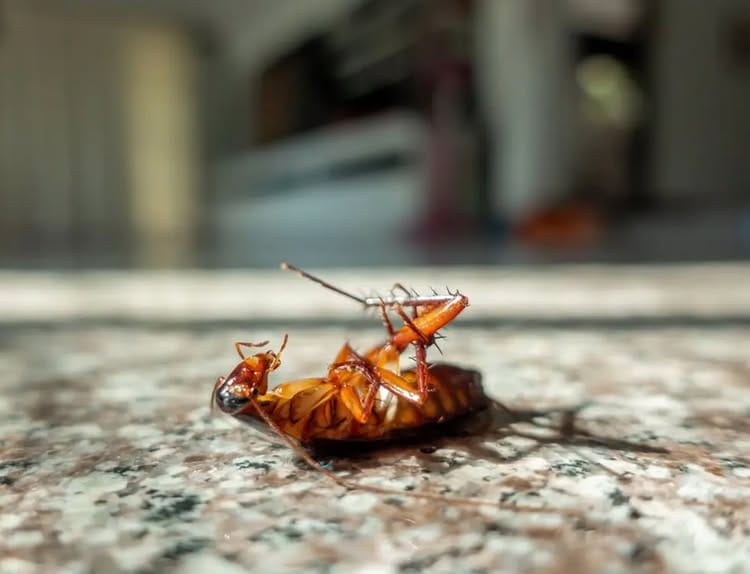
The sight of a cockroach scurrying across your kitchen floor is enough to send anyone on a quest for a quick and effective solution. In the search for affordable, do-it-yourself pest control, many homeowners stumble upon a common household cleaner: ammonia. It has a pungent smell and a reputation for cutting through grime, but does that translate to killing one of nature’s most resilient pests? This article cuts through the noise to answer the critical question: Can ammonia kill roaches?
The Short Answer: Yes, But With a Major Caveat
Yes, ammonia can kill roaches, but only under very specific and impractical conditions. A roach would need to be directly submerged or drenched in a high concentration of ammonia solution to die from contact. The fumes alone are not a reliable killing agent.
As pest control expert Dr. Eleanor Shaw states, “Ammonia’s primary role in roach control is not as a direct killer, but as a potent repellent and a cleaning agent that destroys the chemical trails roaches use to navigate. Thinking of it as an insecticide will lead to disappointment and a continued infestation.”
How Does Ammonia Work Against Roaches?
To understand ammonia’s role, we need to look at the two ways it impacts roach behavior.
1. As a Repellent (Its Primary Strength)
Roaches rely heavily on their sense of smell to find food, water, and mates. The overwhelming, pungent odor of ammonia disrupts this sensory landscape. It acts as a powerful deterrent, making treated areas highly unappealing and confusing for roaches, effectively driving them away from those zones.

2. By Erasing Chemical Trails
Roaches leave behind pheromone trails in their feces. These trails act as a GPS system for other roaches, guiding them to food sources and safe harbors. Ammonia is an excellent cleaner that effectively erases these chemical trails. By cleaning surfaces with an ammonia solution, you disrupt the communication network of the infestation, making it harder for roaches to thrive.
The Limitations: Why Ammonia Isn’t a Silver Bullet
Relying solely on ammonia for roach control is a flawed strategy for several reasons:
- No Effect on Eggs: Ammonia does not penetrate or destroy roach egg cases (oothecae). You might repel adult roaches, but a new generation is waiting to hatch, ensuring the cycle continues.
- Surface-Level Only: Its effect is temporary and only on the surfaces you clean. Roaches are adept at hiding in deep, inaccessible cracks, crevices, and wall voids where your mop or sponge can’t reach.
- Extreme Hazard: Ammonia is a dangerous chemical. Its fumes are toxic to inhale, can irritate the skin and eyes, and it creates a deadly chloramine gas when mixed with bleach—a common mistake in household cleaning.
- Temporary Repellent: The smell dissipates quickly. Once it’s gone, the repellent effect vanishes, and roaches will return unless the underlying attractants (food, moisture) are eliminated.
Ammonia vs. Professional Pest Control: A Head-to-Head Comparison
The table below clearly illustrates why ammonia falls short as a primary eradication tool.
| Feature | Ammonia | Professional-Grade Insecticides (e.g., Advion, Gentrol) |
|---|---|---|
| Killing Power | Weak; only on direct contact. | High; contains active ingredients that are lethal upon contact or ingestion. |
| Residual Effect | None; effect vanishes when the smell dissipates. | Long-lasting; continues to work for weeks. |
| Effect on Eggs | None. | IGR (Insect Growth Regulator) technology disrupts growth and prevents eggs from maturing. |
| Method of Action | Repellent, cleaner. | Stomach poison, contact killer, IGR. |
| Transfer Effect | None. | Yes; roaches can carry poison back to the nest, killing others. |
| Safety for Humans/Pets | Low; toxic fumes, skin irritant. | Varies; but many modern baits are low-risk when used as directed. |
How to Use Ammonia as a Supplemental Roach Deterrent
If you wish to use ammonia as part of a broader cleaning and repellent strategy, follow these steps carefully.
What You’ll Need:
- Household ammonia (5-10% solution)
- Rubber gloves
- Eye protection
- A well-ventilated area
- Bucket and mop/spray bottle
Step-by-Step Guide:
- Safety First: Put on your gloves and eye protection. Open windows and turn on fans to ensure maximum ventilation.
- Create the Solution: Mix one part ammonia with one part water in your bucket or spray bottle. A stronger solution is not more effective and increases safety risks.
- Clean and Repel: Use this solution to mop hard floors (test on a small area first), wipe down countertops, and clean sinks. Pay special attention to areas where you’ve seen roach activity or droppings.
- Target Entry Points: Carefully spray the solution around potential entry points like the areas under doors, around pipes, and along baseboards. Do not spray near food preparation surfaces.
- Repeat Regularly: Since the effect is temporary, this process must be repeated every few days to maintain its repellent properties.
Safer and More Effective Alternatives to Ammonia
For true eradication, proven methods are far superior.
- Gel Baits: These are the gold standard for DIY control. Roaches eat the bait and carry the poison back to their nest, effectively killing the colony.
- Insect Growth Regulators (IGRs): Products like Gentrol disrupt the roach life cycle, preventing nymphs from maturing and adults from reproducing.
- Diatomaceous Earth: A non-toxic powder that scratches the waxy coating of a roach’s exoskeleton, causing it to dehydrate and die.
- Professional Extermination: For severe infestations, a licensed pest control professional has access to stronger tools and the expertise to locate and eliminate harborages.
The Final Verdict
So, can ammonia kill roaches? Technically, yes, but in a way that is completely impractical for home pest control. Its real value lies as a strong repellent and a trail-erasing cleaning agent, not as a lethal insecticide.
Using ammonia can be a helpful part of a preventative strategy, but it should never be your main weapon. To truly win the war against roaches, combine rigorous sanitation (for which an ammonia solution can be used cautiously) with targeted, modern solutions like gel baits and IGRs that attack the infestation at its source.