Can a Leather Jacket Be Tailored? Your Complete Guide to a Perfect Fit
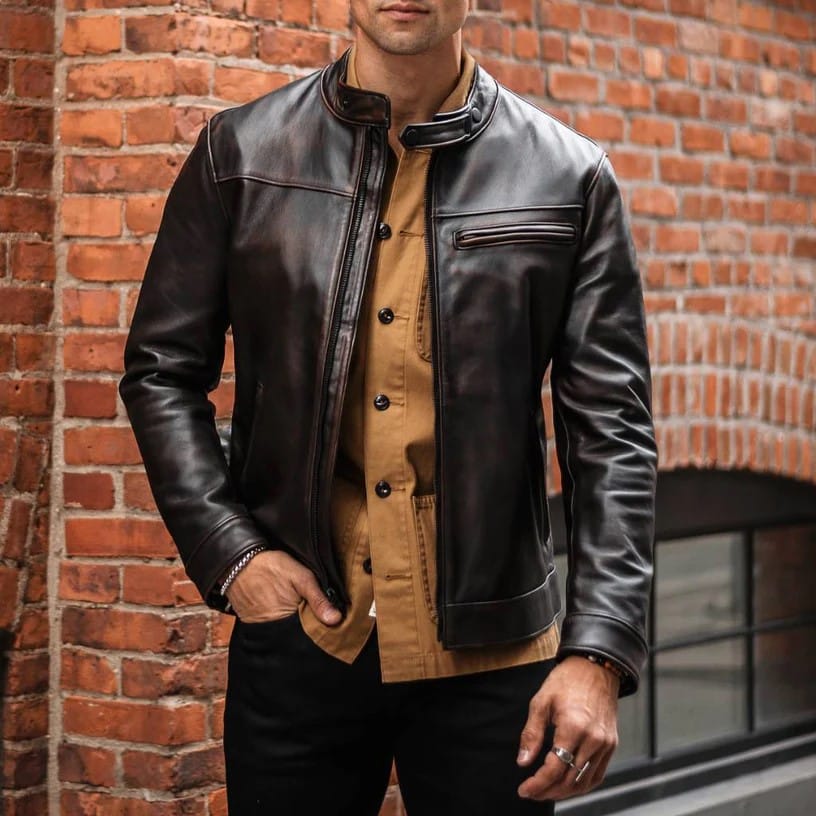
The perfect leather jacket is more than just an item of clothing; it’s an investment, a statement, and a second skin. But what happens when you find the one—the perfect style, the right leather, the ideal color—only to discover the fit isn’t quite right? You’re left wondering: can a leather jacket be tailored?
The short answer is yes, a leather jacket can be tailored, but it is a specialized job that requires a skilled professional. Unlike tailoring fabric, altering leather is a complex process that is often permanent and requires specific tools and expertise.
This guide will walk you through everything you need to know about tailoring your leather jacket, from what alterations are possible to how to find the right artisan for the job.
Why Tailor a Leather Jacket? The Quest for the Perfect Fit
A well-fitting leather jacket is transformative. It should feel snug but not restrictive, allowing for a full range of motion while skimming your body’s contours. Common fit issues that tailoring can address include:
- Sleeves that are too long: The most common and easily addressable alteration.
- A boxy or oversized torso: Taking in the sides can create a more flattering, streamlined silhouette.
- text**Shoulders that are too wide:** A complex and expensive alteration, but sometimes possible.
- Body length: Shortening the overall length of the jacket.
The Art of the Possible: Common Leather Jacket Alterations
Not all alterations are created equal. Some are standard procedures, while others are high-risk and should only be attempted by masters of the craft. Here’s a breakdown:
The Simple & Common Alterations
These are the alterations most tailors comfortable with leather will confidently undertake.
- Shortening the Sleeves: This is the most straightforward alteration. A tailor will typically take the sleeve up from the cuff, preserving the original hem and any zippers or detailing. The old needle holes can often be minimized or polished away.
- Taking in the Sides: To reduce the girth of the jacket, a tailor will open the side seams and take them in. This is a fantastic way to give a jacket a more custom, fitted look without altering its fundamental structure.
The Complex & Costly Alterations
These require significant skill and can cost nearly as much as a new jacket. Proceed with caution and a generous budget.
- Shortening the Body Length: This is difficult because it involves the jacket’s front zipper, pockets, and bottom hem. It can throw off the entire balance of the design.
- Adjusting the Shoulders: This is often considered the most complex alteration. It requires deconstructing the entire top half of the jacket, including the collar and sleeves. Many experts advise against it entirely.
Expert Insight: “The golden rule in leather tailoring is that it’s easier to make a jacket smaller than to make it larger. There’s often very little seam allowance to let out, and the original stitch holes remain visible forever. Always buy for the largest part of your body that fits and tailor down from there,” advises Marco Silvestri, a master tailor with over 30 years of experience.
Leather Jacket Alterations: A Quick-Reference Table
This table provides a clear, at-a-glance overview of what you can expect from common alterations.
| Alteration | Complexity | Average Cost | Success Rate | Key Consideration |
|---|---|---|---|---|
| Shorten Sleeves | Low | $50 – $150 | Very High | The most common and reliable alteration. |
| Take in Sides | Medium | $75 – $200 | High | Excellent for creating a more fitted silhouette. |
| Shorten Body | High | $150 – $300+ | Medium | Risky; can alter the jacket’s intended proportions. |
| Adjust Shoulders | Very High | $250 – $500+ | Low | Often not recommended; cost may outweigh the jacket’s value. |
| Taper Sleeves | Medium | $80 – $180 | Medium | Requires opening the entire sleeve seam. |
Note: Costs are estimates and vary significantly based on location, jacket complexity, and the tailor’s expertise.
Finding the Right Tailor: Don’t Trust Just Anyone
This is the most critical step in the process. Not all tailors are leather tailors.
What to Look For:
- Specialization: Look for a tailor who explicitly advertises leather, suede, or “heavy materials” alteration services.
- Portfolio & Reviews: Ask to see before-and-after photos of their leather work. Check Google and Yelp reviews for keywords like “leather jacket,” “great alteration,” etc.
- The Right Tools: A leather tailor will use a heavier-duty sewing machine (like a walking foot machine) and specialized leather needles.
- Clear Communication: A good tailor will be honest about what is and isn’t possible, explain the risks, and provide a clear cost estimate.
Pro Tip: “When you visit a potential tailor, ask them how they would handle the seam where the leather has been stitched before. A skilled professional will have a process for dealing with the old needle holes, which is a tell-tale sign of their experience level,” suggests Sarah Chen, owner of a boutique specializing in luxury outerwear repair.
The Verdict: To Tailor or Not to Tailor?
Tailoring a leather jacket is a viable path to achieving a dream fit, but it requires careful consideration.
You should strongly consider tailoring if:
- The jacket is a high-quality, expensive piece you plan to keep for years.
- The alterations needed are simple (sleeves, sides).
- You have found a reputable, specialized tailor with proven experience.
You should reconsider tailoring if:
- The jacket is inexpensive (alteration costs may exceed its value).
- The needed alterations are complex (shoulders, body length).
- You cannot find a specialist you trust implicitly.
Ultimately, a tailored leather jacket is an extension of your personal style. With the right craftsman, you can transform a near-perfect find into a timeless, perfectly-fitting heirloom that you’ll cherish for decades.