
What Are the Most Common Causes of Accidents Involving RVs?
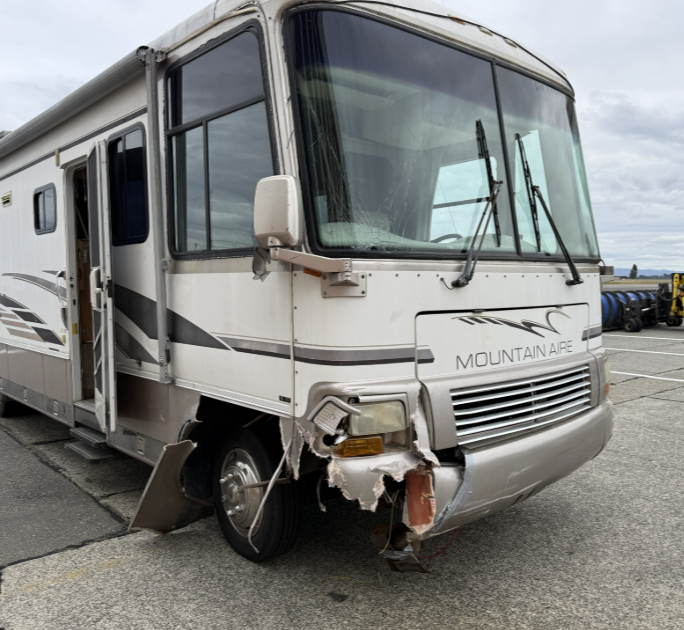
Recreational vehicles, or RVs, give you the freedom to explore with many of the comforts of home. However, driving an RV comes with unique challenges and risks of accidents. RVs are larger, heavier, and often more difficult to handle than your typical passenger vehicle. Understanding the most common causes of RV accidents can help you become a safer driver when venturing out on your next adventure.
Driver Fatigue
A tired driver is a dangerous driver. No matter what type of vehicle you’re driving, doing so while drowsy puts everyone on the road at risk. Many people purchase RVs to travel long distances. However, when you spend many miles and many hours behind the wheel, you can become fatigued. Fatigue can slow your reaction time, lower your concentration and alertness, and hinder decision-making. When pressed to make your next stop on time, you may try to power through fatigue. That’s never a good idea. Always get plenty of rest, take breaks as often as needed, and park when you’re too tired to stay focused on the road. You should also plan your trip ahead to make time for sleep and breaks so you aren’t rushed.
Inexperienced Drivers
The skills you need to maneuver an RV are much different from those required to move your car up and down the road. Due to the larger size and weight of the RV, you have to take extra care when turning and stopping. You may also have less visibility around you, which can lead to blind spots.
When turning, you need more space. Making a wide turn means that you take more of the road and have to be extra vigilant of others on all sides, including those coming up from behind. When backing and parking, it’s hard to see where you are going. Additionally, you have to account for the length when changing lanes and parking. All of these issues can cause an accident if you are inexperienced and do not have the necessary skills to drive an RV.
It’s always best to get some practice before you hit the open road. Get a feel for the vehicle and how it responds while driving. Once on the trip, take it slow and cautiously until you are comfortable with all the nuances of driving an RV.
Speeding
Speed limits are posted for a reason – they account for the top speed that is safe on the roadway where they are posted. When you surpass that speed, you are creating a risky situation. It doesn’t matter what vehicle you are in; speeding is dangerous. However, RVs are much bigger and heavier than a passenger car. They also have a higher center of gravity. All of this means that it is harder to avoid an accident when speeding in an RV. The RV requires more distance to stop. Sudden steering movements or hard braking can cause the RV to skid or roll over. The risk is heightened around curves, on winding roads, and on steep downhill stretches. Always follow the posted speed limit and take your time when traveling in an RV.
Distracted Driving
It’s awfully easy to get distracted on the road these days. With smartphones, interactive entertainment systems, and other technology, there are a lot of reasons to take your eyes off the road. Even eating, drinking, or having a conversation can distract you from the road. In an RV, the risks of a distraction causing an accident are greater due to the harder-to-handle machine you’re driving. Plan your trip ahead of time or rely on passengers for navigation. Eat before you go, put your phone out of reach, and keep your eyes on the road at all times. This gives you the best chance to avoid an accident and arrive to your destination safely and on time.
Weather and Road Conditions
In different regions and during different seasons, you face different conditions. Rain, snow, ice, fog, and even strong winds can make RV travel more difficult. Wet or icy pavement reduces traction, making it easier to accidentally slip and slide. Poor visibility from heavy precipitation or fog can reduce the space you have to make decisions. Heavy winds and crosswinds can push you out of your lane and are especially risky for the high-profile design of an RV. Be sure to check the forecast before you set out and scope out the route for any special challenges. Take your time and stop when necessary to avoid adding travel risks to your trip.
Improper Loading or Hitching
With an RV, you can take almost everything – including the kitchen sink – to make your vehicle a home away from home. However, it’s important to pack the RV carefully to avoid issues with weight and weight distribution. Your RV has a weight limit and it’s crucial to stay under that limit to avoid stress on the vehicle. Evenly distributing your cargo provides better stability. Be sure to secure belongings while driving down the road. If items roll around, they can cause uneven weight distribution, leading to unsafe driving conditions.
What to Do If an RV Accident Occurs
Even with extreme care, caution, and experience, an RV accident can happen. If you find yourself involved in an RV accident, prioritize safety. Make sure everyone is ok and move out of the roadway if you can do so safely. Contact emergency services, document the scene, and exchange information with other drivers. If necessary, call a car accident lawyer when you can. An experienced lawyer like the attorneys at Forbes Law Offices can help you determine fault and get money to recover your losses and pay for injuries.