Why Goats Die When They Drink Vinegar? The Truth Behind the Myth
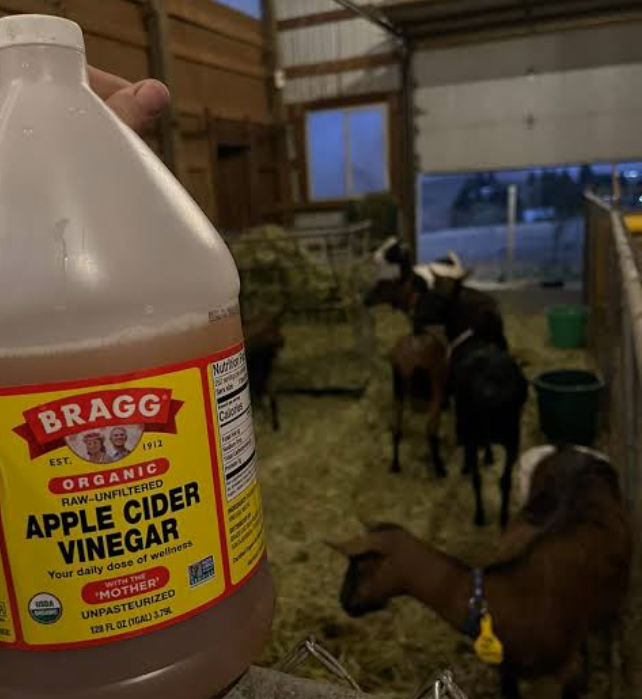
The short answer is that they don’t—not from drinking vinegar in any normal sense. The persistent belief that vinegar is lethal to goats traces back to a specific, brutal slaughter practice, not a toxicological reality. Understanding the distinction between force-feeding large volumes of acid and offering a diluted splash in the water bucket is essential for any goat owner.
The Origin of the Myth: Vinegar as a Slaughter Tool
The claim that goats die from drinking vinegar is not entirely fabricated—it originates from a real practice used in some parts of the world to slaughter goats. In this method, a large volume of vinegar is forcibly poured down the goat’s throat.
The death that follows is not caused by chemical poisoning. Instead, it results from drowning and aspiration. Goats have a shared pathway at the back of the throat for both breathing and swallowing. When liquid is forced into them rapidly, they panic, breathe erratically, and inhale the fluid into their lungs. The acetic acid in the vinegar then burns the lung tissue, preventing respiration even if some fluid is expelled. This is a method of slaughter, not a consequence of drinking.
The critical distinction: any liquid forced into a goat’s lungs in sufficient volume will kill it, whether that liquid is vinegar, fresh water, or saltwater. The vinegar is not uniquely toxic—the method of administration is lethal.
What Makes Goats Vulnerable to Aspiration
Goats are physically and behaviorally predisposed to aspiration when liquids are forced upon them:
Safe Vinegar Use in Goats: Dosage and Method
When vinegar is offered properly—diluted in drinking water at the goat’s own pace—it is not only safe but can offer benefits. The key variables are concentration, volume, and method of delivery.
Recommended Dosage Guidelines
When to Avoid Vinegar
Vinegar is not appropriate for every goat in every situation. Skip it when:
- Kids under four weeks old: Their digestive systems are not ready for added acidity
- Dehydrated or sick animals: The priority is rehydration, and acid can aggravate an already compromised system
- Goats with diarrhea: Extra acid can worsen gut irritation and fluid loss
The Rumen Factor: Why Acidity Matters in Goats
To understand why vinegar could theoretically cause problems at extreme doses, you need to understand the goat’s rumen—the fermentation vat where microbial digestion occurs.
The rumen maintains a delicate pH balance. When goats consume highly fermentable diets, organic acids accumulate and can depress ruminal pH below 6.0, a condition known as subacute ruminal acidosis (SARA). This condition impairs fiber digestion and, if sustained, damages the rumen epithelium—the barrier that protects the animal from toxins and pathogens.
However, this is a disease of excess grain feeding, not vinegar supplementation. The tiny amounts of acetic acid (the primary acid in vinegar) added to drinking water are negligible compared to the volatile fatty acids produced during normal rumen fermentation. In fact, acetic acid is a normal end product of rumen fermentation and a primary energy source for the goat.
Myth vs. Reality: A Comparison
Practical Takeaways for Goat Owners
- Never force-feed liquids to goats. This is the single most important safety principle. The aspiration risk applies to any liquid, not just vinegar.
- Dilute properly. Use 1–2 tablespoons of raw apple cider vinegar per gallon of drinking water, and always provide a separate bucket of plain water.
- Use raw, unfiltered apple cider vinegar when possible. White vinegar is harsher, less palatable, and lacks the beneficial bacteria and nutrients found in raw ACV.
- Respect the exceptions. Skip vinegar for young kids, sick animals, and goats with diarrhea.
- Recognize the real risks. The genuine dangers to goat health are ruminal acidosis from grain overload, bloat, and improper feeding practices—not a splash of vinegar in the water.
Conclusion
The belief that goats die from drinking vinegar is a classic case of a real event—force-feeding vinegar as a slaughter method—being misinterpreted and generalized into a false rule. Goats do not die from drinking diluted vinegar. They die when any liquid is forced into their lungs. Understanding this distinction allows goat owners to safely use apple cider vinegar as a low-risk, economical supplement for digestive support and water palatability, while avoiding the genuinely dangerous practice of forceful liquid administration.