Does Vinegar Kill Pink Mold in Humidifiers?
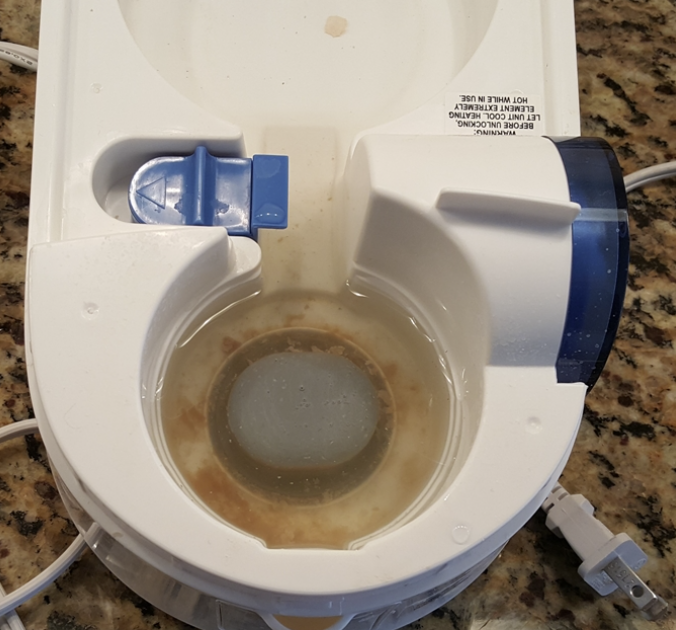
Yes, vinegar is an effective household solution for killing pink mold in humidifiers, but it requires proper application and regular maintenance to prevent recurrence. The “pink mold” commonly found in humidifiers is not actually mold—it is a bacterium called Serratia marcescens that produces a pink or reddish pigment. Vinegar (acetic acid) kills this bacterium by disrupting its cellular processes, and it simultaneously dissolves the mineral scale and biofilm where the bacteria thrive.
What Is “Pink Mold” in Your Humidifier?
The pink, slimy substance you see in your humidifier tank is a colony of Serratia marcescens, a gram-negative bacterium. It thrives in humid, dark environments with small amounts of organic matter—conditions perfectly provided by a neglected humidifier. While not dangerous for most healthy individuals, it can pose risks for infants, elderly people, pregnant women, and those with compromised immune systems.
| Characteristic | Pink “Mold” (Bacteria) | True Mold (Fungi) | Water Scale |
|---|---|---|---|
| Appearance | Pink, orange, or reddish slime | Black, green, or white fuzzy growth | White or yellowish, hard deposits |
| Texture | Slippery, gelatinous | Fuzzy, powdery | Crusty, mineral-like |
| Cause | Serratia marcescens bacterium | Various fungal spores | Calcium and magnesium in water |
| Vinegar Effectiveness | High—kills bacteria | Moderate—kills some species | High—dissolves minerals |
How Vinegar Kills Pink Mold
Vinegar’s active ingredient, acetic acid, works through multiple mechanisms. When acetic acid enters the bacterial cell, it dissociates and lowers the internal pH, disrupting metabolic functions and increasing osmotic pressure until the cell cannot survive. The acidity also breaks down the biofilm—the protective slime layer that Serratia marcescens builds to anchor itself to surfaces and shield itself from removal.
Beyond killing the bacteria, vinegar dissolves the limescale and mineral deposits that provide nutrients and attachment points for the bacteria. This dual action—killing the organism and removing its habitat—makes vinegar a practical choice for humidifier maintenance.
Comparison of Cleaning Agents for Humidifiers
How to Clean Your Humidifier with Vinegar
Step-by-Step Protocol
- Unplug and disassemble: Turn off and unplug the humidifier. Remove the tank, lid, filter, and any removable parts.
- Prepare the vinegar solution: For routine cleaning, mix equal parts white vinegar and water. For heavy pink mold or scale buildup, use undiluted white vinegar. A typical dilution is 1 cup of vinegar per gallon of water.
- Soak the affected parts: Fill the tank with the vinegar solution and let it sit for at least 30 minutes. For stubborn growth, soak for several hours or overnight.
- Scrub thoroughly: Use a soft brush or toothbrush to clean corners, crevices, and the tank lid. Pay attention to waterline marks and hard-to-reach areas where biofilm accumulates.
- Rinse completely: Empty the vinegar solution and rinse all parts with clean water until no vinegar odor remains. Residual vinegar can cause skin or eye irritation during operation.
- Air dry: Allow all components to dry completely before reassembling. Moisture left in the device promotes immediate bacterial regrowth.
Manufacturer-Approved Methods
Several humidifier manufacturers specifically recommend vinegar. Honeywell advises soaking the water tank with 3 cups of white vinegar for 20 minutes. Levoit recommends running the humidifier outdoors with a vinegar-and-water mixture for one hour as a deep cleaning cycle.
Why Regular Cleaning Matters More Than One-Time Treatment
Vinegar kills the bacteria present at the time of cleaning, but Serratia marcescens is ubiquitous in the environment—it exists in air, dust, and water. If you don’t change your maintenance habits, the bacteria will return.
The CDC recommends emptying humidifier water daily and cleaning regularly according to manufacturer instructions. Dyson suggests rinsing the tank every three days and thoroughly cleaning weekly. The key preventive measures include:
- Empty and rinse daily: Never leave standing water in the tank between uses.
- Use distilled or boiled water: Tap water contains minerals that feed bacteria and create scale.
- Never add essential oils or additives: These can react with bacteria and irritate respiratory passages.
- Clean weekly with vinegar: A routine vinegar soak prevents biofilm formation before it becomes visible.
When Vinegar Alone Isn’t Enough
If pink mold returns rapidly after vinegar cleaning, or if you notice a persistent ammonia-like odor, the biofilm may have penetrated deep into the device’s internal tubing or seals. In these cases:
- Replace the filter: Filters trap bacteria and cannot be effectively cleaned once colonized.
- Consider hydrogen peroxide: A 3% hydrogen peroxide solution is an effective alternative disinfectant for humidifier parts and kills bacteria through oxidation rather than acidification.
- Replace the humidifier: If pink growth persists despite thorough cleaning, the device’s internal components may be permanently colonized.
Health Risks of Ignoring Pink Mold
While healthy adults typically experience only minor irritation from Serratia marcescens, the bacterium can cause serious infections in vulnerable populations. Inhalation of contaminated mist can lead to respiratory infections, and the bacterium is known to be resistant to multiple antibiotics, making treatment difficult when infection occurs. For immunocompromised individuals, humidifier-associated bacteria can potentially cause pneumonia.
Conclusion
Vinegar effectively kills pink mold in humidifiers by destroying Serratia marcescens and dissolving the scale and biofilm it depends on. For best results, use undiluted white vinegar for cleaning, soak for at least 30 minutes, scrub thoroughly, and rinse completely. However, killing the bacteria once is not enough—daily water changes and weekly vinegar cleanings are essential to keep your humidifier free from recurring pink growth and safe for regular use.