Does Vinegar Kill Mosquito Larvae in Standing Water?
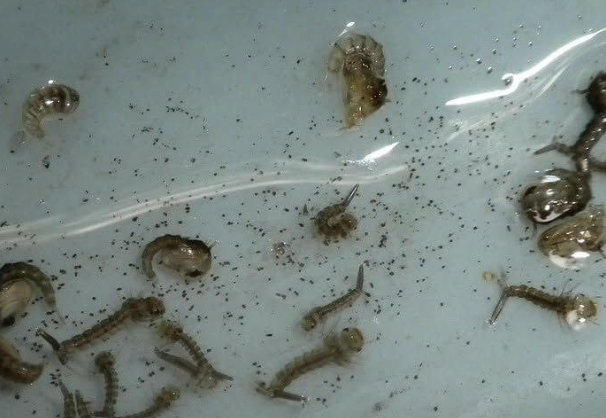
Yes, vinegar can kill mosquito larvae in standing water, but its effectiveness depends on concentration, mosquito species, and water conditions. While it is not the most powerful option available, vinegar (acetic acid) has demonstrated larvicidal properties in multiple peer-reviewed studies, making it a viable household remedy for small water sources.
How Vinegar Kills Mosquito Larvae
Vinegar works by lowering the pH of standing water, creating an acidic environment that disrupts critical biological processes in mosquito larvae. Research indicates that this acidic environment interferes with cellular functions and larval development, ultimately causing mortality. Histological studies on Culex pipiens larvae have shown that vinegar exposure causes degeneration of midgut epithelial cells, disintegration of plasma and basement membranes, and extensive disruption of cellular microvilli.
Unlike some chemical larvicides that target the nervous system, vinegar’s mechanism is primarily physical and chemical—it essentially creates an environment in which larvae cannot survive.
What Research Shows About Vinegar’s Effectiveness
The scientific literature provides specific data on vinegar’s larvicidal capabilities across different mosquito species. The following table summarizes key findings from controlled laboratory studies:
These findings demonstrate that vinegar is effective at relatively low concentrations against Aedes species, which are the primary vectors for dengue, Zika, and chikungunya viruses.
Practical Application: How Much Vinegar to Use
For homeowners seeking to treat small water sources, practical guidance suggests the following approach:
Recommended solution: Mix approximately 15% apple cider vinegar with 85% water. For a one-gallon container of standing water, this translates to approximately 19 ounces (about 2½ cups) of apple cider vinegar.
Expected timeframe: Control may be achieved within 24 hours under optimal conditions, though environmental factors such as rain, humidity, temperature, and sunlight can affect efficacy.
Important considerations:
- This method is best suited for very small bodies of water such as puddles, clogged gutters, and downspouts
- Larger water volumes would require impractical amounts of vinegar to achieve the necessary acidity
- Vinegar is less effective against mosquito eggs and primarily targets larval stages
Species Variation: Not All Mosquito Larvae Are Equally Vulnerable
A critical finding from the research is that vinegar’s effectiveness varies significantly by mosquito species. The table below compares vinegar’s performance against other common household substances:
Culex quinquefasciatus demonstrated significantly greater tolerance to vinegar than Aedes species, surviving at doses that were fatal to Aedes larvae. This species-specific variation means that vinegar may be reliable against Aedes mosquitoes (the dengue and Zika vectors) but less dependable against Culex mosquitoes (the West Nile virus vectors).
Limitations and Considerations
While vinegar does kill mosquito larvae, it is not a comprehensive solution for mosquito control:
No residual effect: Vinegar degrades and loses effectiveness over time, requiring reapplication if water cannot be eliminated.
Organic matter interference: The presence of organic matter in water can reduce vinegar’s effectiveness, as the acid reacts with substances in the water.
Limited ovicidal activity: Research indicates that vinegar has no relevant ovicidal effect on mosquito eggs and may actually stimulate hatching by optimizing water pH through acidification. This means vinegar may not prevent new larvae from emerging shortly after treatment.
Environmental concerns: Vinegar can be harmful to pets and wildlife if they drink or swim in treated water. This method should be used cautiously around animals.
Not recommended for potable water: Vinegar treatment is intended only for non-consumption water sources.
Professional Recommendations for Mosquito Control
Public health authorities consistently emphasize that elimination of standing water is the most effective mosquito control strategy. The CDC recommends the following approach:
- Empty and scrub water-holding containers weekly (tires, buckets, planters, toys, pools, birdbaths, flowerpot saucers, trash containers)
- Cover water storage containers tightly or use wire mesh with holes smaller than an adult mosquito
- Fill tree holes to prevent water accumulation
- Repair cracks in septic tanks and cover open vent or plumbing pipes
For containers that cannot be emptied or covered, commercial larvicide dunks containing Bacillus thuringiensis israelensis (Bti) are recommended. These products are specifically designed for mosquito control, have residual activity, and are safer for non-target organisms than household remedies.
Conclusion
Vinegar can kill mosquito larvae in standing water, particularly Aedes species, through acidification that disrupts larval development and cellular function. However, it is not the most effective or practical solution for comprehensive mosquito control. Its limitations—including species-specific effectiveness, lack of residual activity, and potential harm to wildlife—make it best suited as a supplementary measure for small, contained water sources rather than a primary control strategy.
For effective mosquito management, the evidence strongly supports prioritizing source reduction (eliminating standing water) and using commercial larvicides for water that cannot be drained. Vinegar may serve as a temporary or emergency measure for small puddles, but it should not replace proven public health interventions.