Does Vinegar Kill Carpenter Bees? A Comprehensive Analysis of Effectiveness and Alternatives
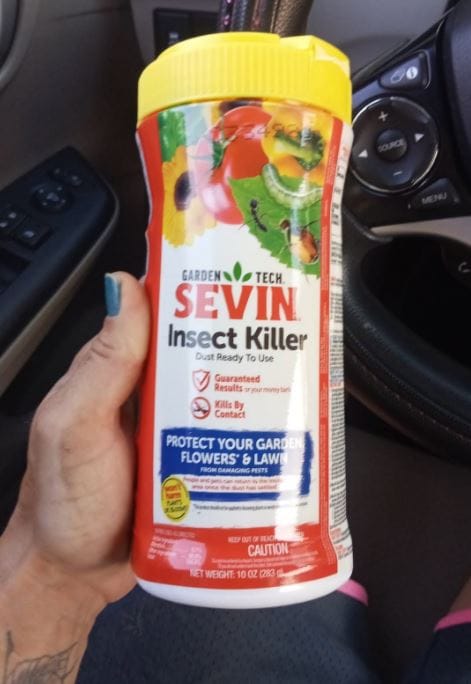
Quick Answer: Vinegar is not a reliable standalone solution for eliminating an active carpenter bee infestation. While its strong odor may temporarily repel bees and a vinegar-soaked steel wool plug can block existing tunnels, it does not effectively kill bees, larvae, or eggs inside the wood. For established infestations, professional-grade insecticidal dusts or liquid treatments applied directly to gallery entrances remain the most effective control method.
Understanding Carpenter Bees and Why They Matter
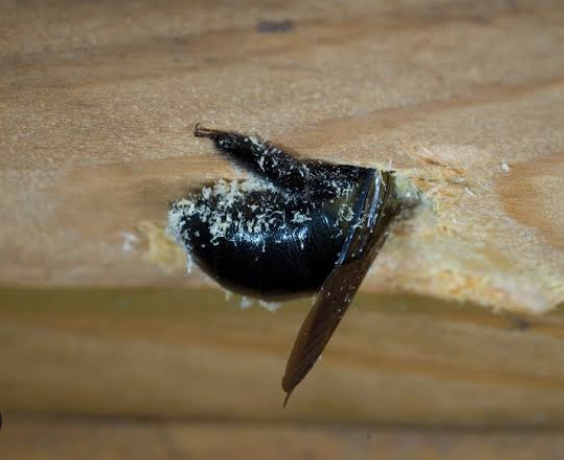
Carpenter bees (Xylocopa species) are large, solitary insects that closely resemble bumblebees but can be distinguished by their shiny, nearly hairless abdomens. Measuring approximately 1/2 to 1 inch in length, these pollinators emerge in spring to mate and establish new nesting galleries.
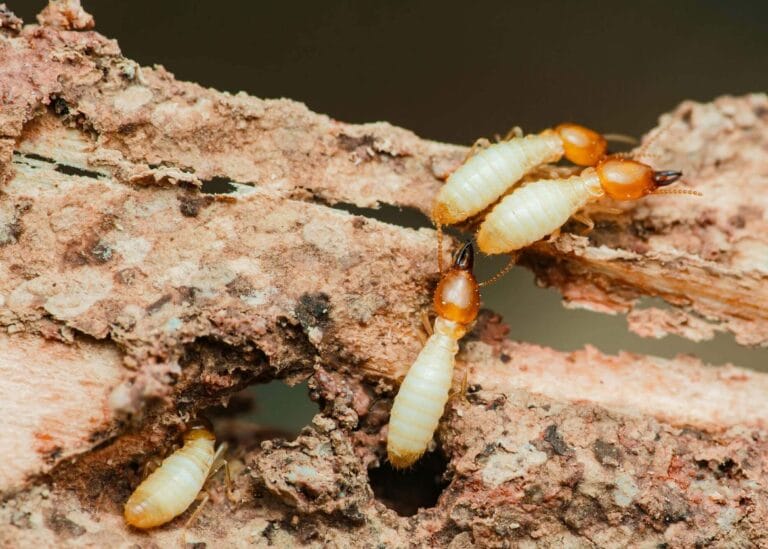
Unlike termites that consume wood, carpenter bees do not eat wood. Instead, females excavate perfectly round entrance holes (typically 1/2 inch in diameter) and tunnel along the wood grain to create brood chambers. Each chamber is provisioned with pollen and nectar, then sealed with a partition made of wood particles before an egg is laid.
The primary concern is structural damage. While a single gallery may be insignificant, carpenter bees exhibit strong site fidelity. Subsequent generations often reuse and expand existing tunnels, and in some species, sisters and daughters may colonize the same structure, leading to extensive internal damage over time. Fresh sawdust below entry holes, combined with a distinctive humming sound from within the wood, are telltale signs of activity.
The Vinegar Question: What the Evidence Shows
The claim that vinegar kills carpenter bees is widespread in DIY pest control circles. A closer examination of the available evidence reveals a more nuanced reality.
What Vinegar Can Do
Vinegar (diluted acetic acid) has several properties that make it useful as a deterrent and repellent:
- Repellent action: Carpenter bees dislike the strong odor of vinegar. A 50/50 solution of white vinegar and water sprayed on wood surfaces may discourage bees from landing or investigating.
- Tunnel blocking: In fall, when bees are not actively nesting, soaking steel wool in vinegar and stuffing it into existing holes can effectively block re-entry. The vinegar smell adds a repellent effect, while the steel wool physically prevents chewing through.
- Surface disruption: Some sources suggest vinegar disrupts bees’ scent communication and may damage their exoskeletons upon direct contact, though this effect is limited and inconsistent.
What Vinegar Cannot Do
The critical limitation is that vinegar does not penetrate the sealed brood chambers where eggs, larvae, and pupae develop. Each chamber is partitioned with a plug of wood particles that blocks airflow and prevents liquids from reaching the developing bees. This means:
- It does not reliably kill adult bees resting deep inside tunnels.
- It does not kill larvae or eggs protected behind chamber partitions.
- It provides no residual protection—the repellent effect dissipates quickly, especially after rain or exposure to sunlight.
Professional pest control sources consistently describe vinegar as a temporary fix or repellent, not an eliminative treatment. One industry source notes that vinegar “may kill off some carpenter bees, but these solutions are rarely as effective as they need to be”. Another explicitly states that vinegar and water is not an “instant fix” and that no DIY concoction kills carpenter bees immediately.
Comparison of Carpenter Bee Control Methods
The following table compares vinegar-based approaches with other commonly used methods:
Why Proper Application Timing Matters
Effective carpenter bee control depends heavily on timing relative to the bee’s life cycle:
- Early Spring (April–May): Bees are searching for nesting sites. This is the ideal time for preventive surface treatments on vulnerable wood.
- Late Spring–Summer: Active galleries contain eggs, larvae, and pupae sealed behind partitions. Treatments applied now may kill adults but often fail to reach developing bees, which can emerge later after pesticide efficacy fades.
- Late Summer–Fall (after emergence, before hibernation): The best window for gallery treatment and sealing. All adults have emerged, and surviving bees will seek overwintering sites.
- Winter: Bees overwinter inside old tunnels. Sealing holes during this period traps and kills hibernating adults.
This lifecycle complexity is a primary reason why vinegar—a contact repellent with no residual or penetrating action—fails as a standalone solution.
Evidence-Based Recommendations
For Prevention
The most effective long-term strategy is making wood unattractive to carpenter bees:
- Paint or varnish exposed wood with oil-based or polyurethane paints. Bare, weathered, unpainted wood is highly attractive; finished surfaces deter nesting.
- Seal cracks, nail holes, and saw cuts where bees can bypass surface finishes.
- Consider pressure-treated wood for structural elements, though it becomes vulnerable as it weathers.
- Provide alternative nesting sites—an untreated wood post placed away from structures can redirect bees.
For Active Infestations
- Apply insecticidal dust into gallery entrances in late afternoon or evening when bees are inside. Leave holes open for several days so bees distribute the dust through the tunnels.
- Use aerosol bee/wasp spray with a straw attachment for direct injection into holes as a secondary measure.
- Wait several days after treatment, then seal holes with wood putty, dowels coated in glue, or steel wool.
- Repaint or refinish the treated area to prevent reinfestation.
The Vinegar Option: When and How to Use It
Vinegar can play a supporting role in an integrated pest management approach:
- As a surface deterrent: Spray a 50/50 vinegar-water solution on wood surfaces during spring to discourage initial nesting.
- As a tunnel sealer (fall only): Soak steel wool in vinegar and plug abandoned holes after bees have emerged.
- Not as a primary treatment: Do not rely on vinegar alone to eliminate an established infestation with active brood chambers.
Frequently Asked Questions
Does vinegar kill carpenter bee larvae?
No. Larvae are sealed behind wood-particle partitions that block liquids and vapors. Even professional solid-state pesticides show inconsistent efficacy against eggs and young larvae in laboratory tests.
Will vinegar spray kill a carpenter bee on contact?
Direct contact with concentrated acetic acid may incapacitate a bee, but diluted vinegar solutions (typical DIY recipes) are unlikely to kill immediately. The primary effect is repellency.
What about baking soda and vinegar?
The foaming reaction may displace some bees from shallow tunnels, but this method lacks the penetrating power to reach brood chambers. It is a folk remedy with anecdotal but inconsistent results.
Can I just spray vinegar into the holes?
This may temporarily irritate adult bees but will not eliminate the colony. The bees can retreat deeper into the gallery beyond the reach of the spray.
Is vinegar safe around plants and pollinators?
Diluted vinegar spray is relatively low-risk for the environment compared to synthetic pesticides, but it can harm beneficial insects and may damage some plants if applied directly.
Summary
| Question | Answer |
|---|---|
| Does vinegar kill carpenter bees? | Partially—it repels and may kill on direct contact, but it does not eliminate infestations. |
| Does it kill larvae and eggs? | No. Chamber partitions protect developing bees. |
| Is it a permanent solution? | No. No residual protection; reapplication required. |
| What is the best use for vinegar? | Repellent spray and fall tunnel-plugging with steel wool. |
| What is the most effective treatment? | Insecticidal dust applied to gallery entrances, followed by sealing and wood refinishing. |
Vinegar is a useful tool in the carpenter bee management toolkit, but it is not a standalone solution. For active infestations, evidence-based methods—insecticidal dusts, proper timing, and structural prevention—offer far more reliable results.