Is a Cracked Toilet Bowl Dangerous? A Complete Safety Guide
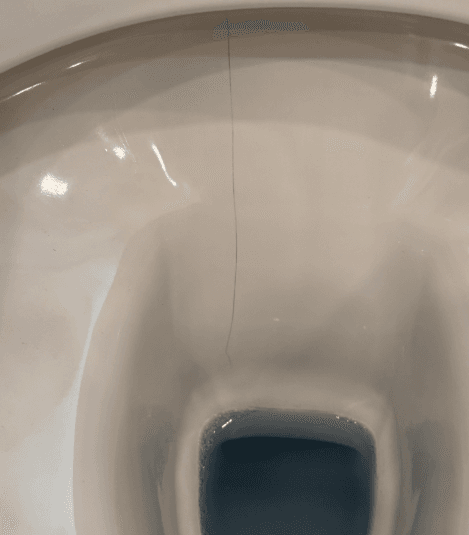
A cracked toilet bowl is not merely a cosmetic issue—it is a structural compromise that poses real risks to your property, your health, and your physical safety. Porcelain is designed to withstand decades of daily use, but once it fractures, the material cannot flex, heal, or redistribute stress. What begins as a hairline line in the glaze can widen under the repeated pressure of flushing and body weight, eventually leading to leaks, water damage, mould growth, or sudden catastrophic failure.
This guide examines the specific dangers of a cracked toilet bowl, distinguishes between different crack types and locations, and provides a clear framework for deciding whether repair or replacement is the appropriate response.
The Three Primary Dangers of a Cracked Toilet Bowl
The risks associated with a cracked bowl fall into three distinct categories, each with its own mechanism of harm and urgency level.
1. Physical Injury Risk
The most immediate danger is bodily harm. A cracked toilet bowl has lost its structural integrity and can shatter under the weight of a user. When porcelain fails, it breaks into extremely sharp, razor-like fragments that can cause deep lacerations. Documented cases include severe cuts requiring emergency medical treatment, and in rare instances, serious injuries from collapsing fixtures.
The risk is heightened for children and elderly individuals, who may be more vulnerable to falls and less able to react quickly if the fixture gives way. A crack around the base or at the mounting points is particularly concerning because these areas bear the greatest mechanical load during use.
2. Water Damage and Property Destruction
A crack at or below the waterline will leak with every flush. While the volume of water may appear small at first, it continuously seeps into the subfloor, warps flooring materials, and promotes mould growth in areas that are difficult to inspect or dry. Over weeks or months, what began as a minor drip can necessitate thousands of dollars in structural repairs.
A cracked toilet tank presents a different but equally serious risk: sudden catastrophic flooding. Tanks hold water under constant pressure from the home’s plumbing supply. A compromised tank wall can split without warning, releasing several gallons of water rapidly into the bathroom.
3. Sanitation and Health Hazards
The crack itself creates a narrow groove where residue, bacteria, and biofilm can accumulate. Unlike the smooth porcelain surface, which can be wiped and disinfected easily, a fracture is difficult to clean thoroughly. A damaged toilet that comes into contact with wastewater and contaminants becomes a persistent sanitation concern.
The constantly damp environment created by a leaking crack is an ideal breeding ground for mould and mildew, which are known triggers for allergies, respiratory problems, and asthma flare-ups. While the mould species commonly found on toilet surfaces are generally not the highly dangerous black mould varieties associated with cellulose-rich building materials, they can still cause significant discomfort for sensitive individuals.
There is also the question of sewer gas. A crack in the porcelain itself does not release sewer gas, because the water in the bowl’s built-in trap and the wax ring at the base provide the primary seals. However, if a crack near the base allows the toilet to rock or become unstable, that movement can compromise the wax ring seal, creating a pathway for odour and potentially hazardous gases to enter the bathroom.
How Crack Location Determines Danger Level
Not all cracks carry the same risk. The location of the damage is the single most important factor in assessing urgency.
| Crack Location | Risk Level | Recommended Action |
|---|---|---|
| Outer surface above waterline | Low (often cosmetic) | Monitor; epoxy may provide temporary seal |
| Inside the bowl | High (structural) | Plan immediate replacement |
| At or below the waterline | High (active leak) | Replace immediately; do not patch |
| Near the base or floor | High (seal risk) | Have a plumber inspect; likely replacement required |
| Around mounting bolts | High (stress point) | Replace immediately |
Table data synthesised from plumbing industry guidance.
A shallow crack on the outer surface of the tank or bowl, above the waterline, may be purely cosmetic and may never worsen. A useful test is to run a fingernail across the line: if it feels smooth, like it sits under the surface, it is likely glaze crazing rather than a structural crack. A true crack will catch the fingernail. However, even a cosmetic crack should be monitored, because the compromised glaze can allow moisture to penetrate and gradually widen the defect.
Cracks inside the bowl, at the waterline, or near the base are never safe to ignore. These are structural failures that will worsen with use.
Repair Versus Replacement: A Definitive Comparison
A common and dangerous misconception is that a cracked toilet can be reliably repaired with epoxy or sealant. Porcelain is a fired ceramic designed for compressive strength, not flexibility. Once cracked, the material cannot redistribute stress, and any adhesive patch only addresses the visible surface—not the underlying structural weakness. Temperature changes, vibration from flushing, and the mechanical stress of daily use continue to work on the fracture line beneath the patch.
The table below summarises the decision framework that plumbing professionals use.
| Factor | Repair (epoxy/sealant) | Replacement |
|---|---|---|
| Crack in bowl or tank | Never appropriate | Only reliable solution |
| Hairline crazing (glaze only) | May be acceptable | Not necessary unless worsening |
| Crack above waterline, outer surface | Temporary measure only | Recommended for long-term safety |
| Crack below waterline | Dangerous; will fail | Mandatory |
| Crack near base or mounting bolts | Dangerous; structural risk | Mandatory |
| Cost | $20–$50 for DIY epoxy | $250–$600 installed (typical) |
| Expected lifespan of solution | Weeks to months at best | 25–50 years for quality porcelain |
Cost data reflects common U.S. national estimates for parts and labour. Reliability assessments are based on plumbing industry consensus.
The core principle is straightforward: any crack that penetrates the porcelain—as opposed to a surface glaze defect—renders the fixture structurally unsound. Epoxy may temporarily stop a visible drip, but it does nothing to restore the load-bearing capacity of the bowl. A repair that appears successful for weeks can fail suddenly under the weight of a user, with consequences that include both injury and flooding.
Crack in the Bowl Versus Crack in the Tank
Homeowners often treat bowl and tank cracks as interchangeable problems. They are not, and understanding the difference is critical for a correct response.
| Aspect | Crack in Bowl | Crack in Tank |
|---|---|---|
| Primary risk | Physical injury from collapse; direct contact with user | Sudden flooding from pressurised water release |
| Leak behaviour | Leaks during or immediately after flushing | Leaks continuously, even when not flushed |
| Structural role | Bears body weight and mechanical stress | Contains water under constant static pressure |
| Repair viability | Never reliable | Never reliable |
| Urgency | Immediate; discontinue use | Immediate; shut off water supply |
| Consequence of failure | Lacerations, fractures, falls | Water damage, mould, property destruction |
Data synthesised from plumbing industry analysis of crack behaviour by location.
A crack in the tank is dangerous primarily because of the volume of water it can release suddenly. A compromised tank wall can split without warning, causing immediate flooding. A crack in the bowl is dangerous primarily because of the physical load it must support. When a bowl fails, the user may be injured by both the fall and the sharp fragments of broken porcelain.
Both situations require replacement. Neither is a candidate for a permanent repair.
What Causes Toilet Bowls to Crack?
Understanding the origin of a crack can help you assess whether the damage is likely to spread.
| Cause | Mechanism | Typical Crack Pattern |
|---|---|---|
| Accidental impact | Dropped object or tool strikes the porcelain | Localised chip or star fracture |
| Overtightened mounting bolts | Excessive stress at the base during installation | Crack radiating from bolt hole |
| Floor movement or subsidence | Uneven flooring places sustained pressure on the base | Crack near the floor line |
| Thermal shock | Boiling water poured into a cold bowl | Crack through the bowl wall |
| Manufacturing defect | Micro-flaws from firing or glazing | Hairline crack appearing under normal use |
| Age and fatigue | Decades of thermal cycling and mechanical stress | Gradual widening of existing hairline |
Causes compiled from plumbing diagnostic guidance.
Cracks caused by impact or overtightening tend to appear suddenly and may stabilise temporarily. Cracks caused by floor movement or thermal shock often propagate more aggressively because the underlying stress condition persists. Manufacturing defects may remain dormant for years before a minor stress event triggers visible damage.
Regardless of cause, the presence of a through-crack in the porcelain means the fixture has lost its design integrity.
Immediate Safety Actions If You Discover a Crack
If you identify a crack in your toilet bowl, the following steps should be taken without delay:
- Stop using the toilet immediately. Continued use applies stress to the compromised structure and increases the risk of sudden failure.
- Shut off the water supply. Locate the small oval-shaped valve on the wall or floor behind the toilet and turn it clockwise until it stops.
- Flush once to drain the tank. This reduces the volume of water that could escape if the tank or bowl fails further.
- Dry the bowl and inspect the crack. A dry surface makes it easier to assess the depth and extent of the damage. Run a fingernail across the line to determine whether it is a surface glaze defect or a through-crack.
- Do not attempt an epoxy repair on a structural crack. A patch may give a false sense of security and fail without warning.
- Arrange for replacement. A cracked toilet bowl is a replaceable fixture, not a repairable one. The cost of replacement is modest compared to the potential cost of water damage or medical treatment for an injury.
When to Call a Professional
While the decision to replace a cracked toilet is often clear, there are situations where professional assessment is advisable:
- The crack is near the base or floor flange, where the wax seal may also be compromised.
- The toilet rocks or feels unstable even after the mounting bolts are checked.
- There is evidence of water damage to the subfloor or the ceiling below.
- The crack appeared without an obvious cause, which may indicate a manufacturing defect or structural movement in the floor.
- You are uncertain whether the damage is a cosmetic glaze defect or a structural crack.
A licensed plumber can inspect the fixture, assess the condition of the flange and wax ring, and ensure that the replacement is installed correctly to prevent future problems.
Conclusion
A cracked toilet bowl is dangerous in three distinct ways: it can cause physical injury through sudden collapse and sharp porcelain fragments, it can cause significant property damage through continuous or catastrophic water release, and it can create persistent sanitation and health hazards through bacterial accumulation and mould growth. The location of the crack is the primary determinant of urgency, but any crack that penetrates the porcelain renders the fixture structurally unsound.
Porcelain cracks cannot be reliably repaired. Epoxy and sealants may temporarily mask the symptom, but they do not restore the structural integrity of the bowl. Replacement is the only safe and durable solution. The cost of a new toilet, typically a few hundred dollars installed, is a fraction of the potential expense of water damage remediation, medical treatment, or both.
If you discover a crack in your toilet bowl, discontinue use immediately, shut off the water supply, and arrange for replacement. A cracked toilet is not a problem that improves with time—it is a structural failure that will worsen with every flush and every use.