Can You Leave Toilet Bowl Cleaner Overnight? A Complete Guide
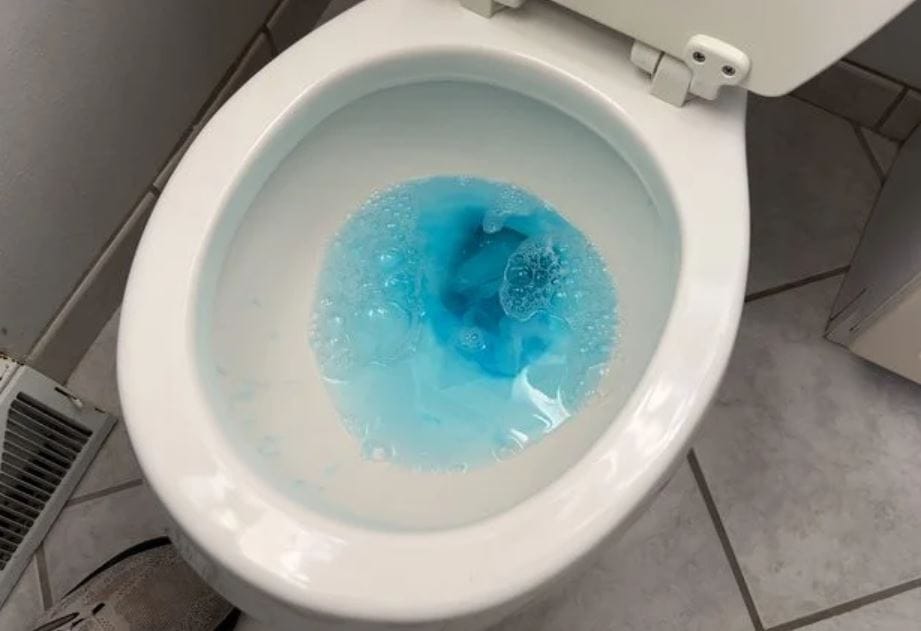
Yes, you can leave toilet bowl cleaner overnight—but only if the product label explicitly permits it. Many standard cleaners are formulated to work in 5 to 30 minutes, while others are specifically designed for extended contact time to tackle stubborn stains. The critical factor is not the clock, but the chemical composition of the product and the material of your toilet bowl.
This guide breaks down when overnight soaking is safe, when it will damage your plumbing fixtures, and how to choose the right approach for your specific situation.
The Short Answer: It Depends on the Product
Toilet bowl cleaners fall into two broad categories regarding dwell time. Understanding which type you have prevents unnecessary damage and ensures effective cleaning.
Why the Type of Cleaner Matters
Acidic Cleaners and Overnight Exposure
Many toilet bowl cleaners rely on acids (such as hydrochloric acid or citric acid) to dissolve mineral deposits and limescale. While effective, prolonged acid exposure can etch or dull the porcelain finish over repeated use. Products like Harpic Power Plus explicitly state you can “leave overnight for tough stains,” indicating the formulation is buffered to remain safe on vitreous china for extended periods. However, a generic acidic cleaner without such labeling may not be.
Bleach-Based Cleaners
Bleach-based cleaners are excellent disinfectants but are typically formulated for short contact times—5 minutes for sanitizing and 10 minutes for disinfecting according to Clorox’s own instructions. Leaving bleach-based cleaners overnight is generally unnecessary for disinfection and may accelerate the degradation of any rubber or plastic components that come into contact with the fumes or liquid, particularly if the water level reaches the flush valve area.
Enzyme and Oxygen-Based Formulas
Products like Koh Loo Cleaner Tabs use oxygen-based bleaching agents and enzymes. The manufacturer specifically recommends an overnight soak for aged or heavily soiled bowls, noting that the longer dwell time allows the active ingredients to break down protein, mineral, and organic deposits. This is a case where overnight use is not just safe but actively encouraged for best results.
When Overnight Soaking Is the Right Choice
Scenario 1: Hard Water Stains and Mineral Buildup
Hard water leaves behind calcium and magnesium deposits that form a ring at the water line. These deposits are impervious to quick cleaning. White vinegar is a well-established remedy: drain the bowl, pour vinegar to cover the stain line, and let it sit overnight to dissolve the minerals. Similarly, Crystal Vanish Toilet Bowl Cleaner instructs users to let the product remain on hard water stains for at least 1 hour, preferably overnight, before brushing.
Scenario 2: Aged or Heavily Soiled Bowls
For toilets that haven’t been cleaned in months or have deep organic staining, a standard 5-minute contact time is insufficient. Koh Loo Cleaner Tabs recommends the overnight method specifically for “aged or heavily soiled bowls,” followed by scrubbing with an abrasive sponge. This allows the cleaning agents to penetrate and lift layers of buildup rather than just the surface layer.
Scenario 3: Black or Dark Staining
Dark staining—often mold, mildew, or iron bacteria—can be stubborn. A 30-minute to overnight soak with a foaming cleaner like Kao Toilet Bowl Cleaner is recommended for “deep-seated dirt”. The extended contact time ensures the active ingredients reach the root of the stain.
When You Should NOT Leave Cleaner Overnight
Warning: In-Tank Cleaners Are a Different Animal
Do not confuse bowl cleaners with in-tank drop-in cleaners. These products sit in the toilet tank and release chemicals with every flush. Gerber Plumbing Fixtures explicitly states that in-tank cleaners containing chlorine or bleach can cause tank component failure and damage, voiding warranties and potentially causing flooding. Placing a large bottle of cleaner inside the tank—a popular social media hack—can also displace water, leading to clogs and backups.
If you use an in-tank cleaner, remove it before performing an overnight bowl soak. The combination of chemicals could create hazardous fumes or damage the flush valve seal.
Warning: Never Mix Cleaners
Mixing bleach with acidic toilet bowl cleaners produces toxic chlorine gas. If you’ve already applied an acidic cleaner and want to use a bleach-based product, you must flush thoroughly and rinse before switching. The Louisiana Department of Health reported 65 poison control calls in a six-month period from accidental bleach mixing, with 26% seeking medical care. Overnight soaking increases the risk because the chemicals remain concentrated and reactive for hours.
Warning: Check Your Toilet’s Material
Most modern toilets are made of vitreous china, which is resistant to most cleaners. However, older toilets or those with specialized finishes may be more susceptible to etching. Avoid abrasive cleaners, pumice stones, or steel wool on any toilet surface, as these scratch the glaze and create microscopic crevices where bacteria and stains thrive.
Best Practices for Overnight Toilet Cleaning
If you’ve confirmed that your product is suitable for overnight use, follow these steps for safe and effective results:
- Read the label first. Look for explicit language such as “leave overnight,” “for best results on tough stains,” or “overnight soak.”
- Ensure adequate ventilation. Chemical fumes, even from “safe” cleaners, can accumulate in a closed bathroom. Leave the bathroom door open or run the exhaust fan.
- Keep the toilet lid closed. This contains fumes and prevents accidental splashing.
- Apply the product under the rim. Many cleaners need to coat the entire bowl interior, including the rim jets, to be effective.
- Do not scrub before soaking. Let the chemicals do the work first. Scrubbing before the dwell time can reduce effectiveness and expose you to more fumes.
- Flush thoroughly in the morning. Flush once, then flush again after scrubbing to ensure all residue is removed.
- Never mix products. If you need to use a second product, flush and rinse the bowl completely between applications.
Summary: The Overnight Decision Matrix
| Your Situation | Recommended Action | Maximum Safe Dwell Time |
|---|---|---|
| Routine weekly cleaning | Apply cleaner, scrub, wait 5–10 minutes, flush | 10 minutes |
| Light staining | Use a standard cleaner with 5–30 minute dwell | 30 minutes |
| Hard water rings | Use vinegar or a stain-specific cleaner labeled for overnight | Overnight |
| Aged, heavily soiled bowl | Use an enzymatic/oxygen tab labeled for overnight soak | Overnight (check label) |
| Unknown product | Do not leave overnight without label confirmation | Follow label exactly |
| You’ve already used bleach | Do not apply another cleaner until thoroughly flushed | N/A |
The bottom line: Overnight toilet bowl cleaning is a legitimate technique for tough stains, but it is not a universal practice. The product label is your authority—if it doesn’t say overnight, don’t do it. When in doubt, a 30-minute soak with the right product will outperform an overnight soak with the wrong one.