Do Possums Hate the Smell of Vinegar? A Detailed Look at the Evidence
Introduction
The short answer is yes, vinegar can act as a deterrent for possums, though it is not a guaranteed or permanent solution. Possums are known to dislike strong, pungent odors, and the acidic scent of vinegar—particularly white vinegar or apple cider vinegar—can be unpleasant enough to encourage them to seek food and shelter elsewhere.
However, the relationship between possums and vinegar is more nuanced than a simple “yes” or “no.” The effectiveness of vinegar as a repellent depends on several factors, including concentration, application method, environmental conditions, and the individual possum’s tolerance level. This article examines the available evidence, explains how vinegar works as a deterrent, and provides a practical comparison of vinegar with other commonly recommended possum repellents.
Understanding Possum Olfaction and Behavior
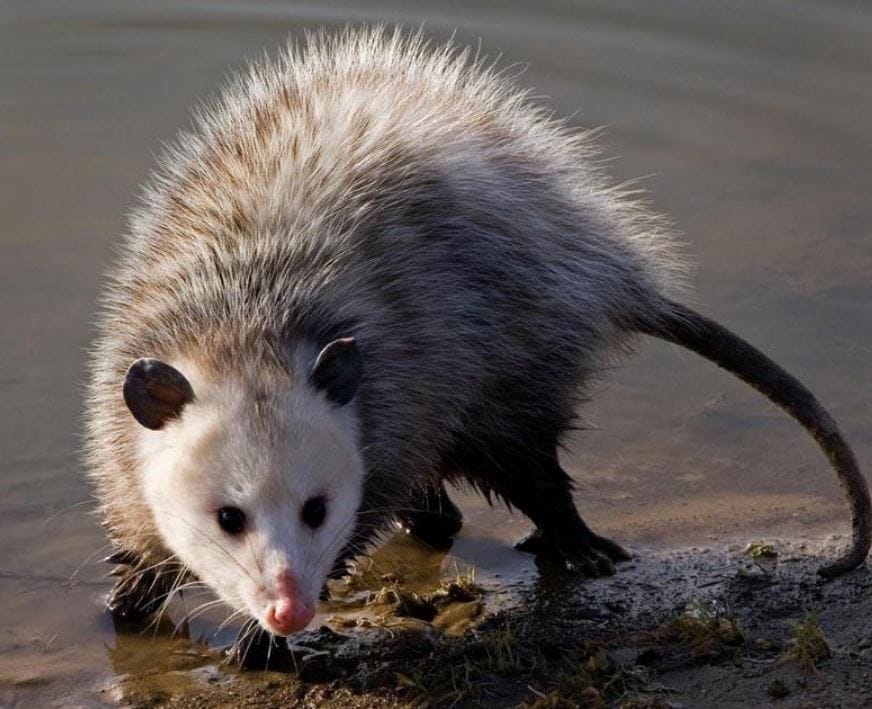
To understand why vinegar might deter possums, it is helpful to first understand how these animals perceive the world. Possums (also called opossums) rely heavily on their sense of smell for survival. They use it to locate food, identify potential mates, and detect predators. Opossums find food by smell rather than sight, aided by long, tactile whiskers to feel their way in the dark. This well-developed olfactory system makes them both highly effective scavengers and potentially vulnerable to scent-based repellents.
Possums are opportunistic omnivores, meaning they will eat almost anything they can find, including fruits, vegetables, insects, carrion, and pet food. This dietary flexibility explains why they are frequently attracted to residential properties with accessible garbage cans, outdoor pet food, or gardens. When possums find consistent food sources, they become habitual visitors and may tolerate unpleasant odors to access those resources.
How Vinegar Works as a Possum Deterrent
The theory behind using vinegar as a possum repellent is straightforward: vinegar contains acetic acid, which creates a strong, sour odor that possums find offensive. This odor can disrupt their natural foraging and nesting behaviors, prompting them to avoid areas where the scent is prevalent.
Vinegar’s effectiveness is influenced by several practical factors:
| Factor | Impact on Effectiveness |
|---|---|
| Concentration | Undiluted vinegar is more effective than diluted solutions |
| Application Method | Soaked rags or cotton balls generally work better than simply placing a bowl of vinegar |
| Environmental Conditions | Rain, wind, and humidity quickly dissipate the vinegar odor |
| Possum Habituation | Possums with consistent access to food may become accustomed to the smell |
The temporary nature of vinegar’s effectiveness is one of its primary limitations. Outdoors, rain and humidity can quickly dilute the acetic acid, reducing its potency and requiring frequent reapplication—potentially daily or every other day.
Comparison of Vinegar with Other Possum Repellents
While vinegar can be a useful tool, it is rarely sufficient as a standalone solution. The following table compares vinegar with other commonly recommended scent-based repellents for possums, based on the available information.
This comparison reveals an important pattern: while several repellents may be more potent or longer-lasting than vinegar, vinegar offers a favorable balance of accessibility, low cost, and minimal toxicity when used appropriately. For homeowners seeking a humane, budget-friendly first line of defense, vinegar is a reasonable starting point.
Practical Applications: How to Use Vinegar Effectively
If you decide to incorporate vinegar into your possum-deterrent strategy, consider the following methods:
Scent-Soaked Cloths: Soak old cloths or rags in white vinegar and hang them in low places around your garden, particularly near vulnerable plants or potential entry points to your porch or under your house.
Vinegar Spray: Create a diluted vinegar spray by mixing equal parts white vinegar and water in a spray bottle. Apply this solution to plants, fences, trash cans, and other areas where you have noticed possum activity. Remember to reapply after rain.
Barrier Soak: Pour or spray undiluted vinegar around the perimeter of your garden or porch to create a scent barrier.
Indoor Deterrent: Soak cotton balls in vinegar and place them inside sheds, garages, or under porches where possums might seek shelter.
Important Precautions
While vinegar is generally safe, some plants are sensitive to its acidity. Avoid direct contact with foliage, especially on delicate plants. A diluted solution is less likely to cause damage. Additionally, while vinegar is not harmful to possums if they incidentally contact it, the goal is deterrence, not harm.
Limitations and When Vinegar Is Not Enough
Vinegar alone is unlikely to solve a persistent possum problem. Possums are adaptable creatures, and individuals that consistently find food on a property may eventually become accustomed to the vinegar smell and ignore it. In areas with severe possum activity, vinegar may not provide sufficient deterrence.
For more reliable, long-term results, a comprehensive integrated pest management approach is recommended. This includes:
- Securing garbage cans with tight-fitting lids and bungee cords
- Removing food sources such as pet food left outdoors overnight and fallen fruit
- Sealing entry points under decks, sheds, and porches with wire mesh
- Installing motion-activated lights or sprinklers to startle possums
- Using physical barriers such as fencing or netting for gardens
The combination of eliminating attractants, blocking access, and using scent repellents creates a multi-layered defense that is far more effective than any single method alone.
Conclusion
Vinegar does appear to function as a possum deterrent, primarily because possums possess a highly developed sense of smell and find the acidic, pungent odor of vinegar unpleasant. However, the evidence suggests that its effectiveness is moderate and temporary, requiring frequent reapplication and best used as part of a broader strategy.
For homeowners dealing with possums, vinegar represents a low-cost, humane, and accessible option worth trying. If vinegar alone proves insufficient, combining it with other repellents such as ammonia, garlic, or peppermint oil—along with habitat modification and exclusion techniques—will yield the best results. As with any wildlife management issue, persistence and a multi-faceted approach are key to achieving long-term success.