How to Get Mold Smell Out of Leather: A Professional Guide to Restoration and Prevention
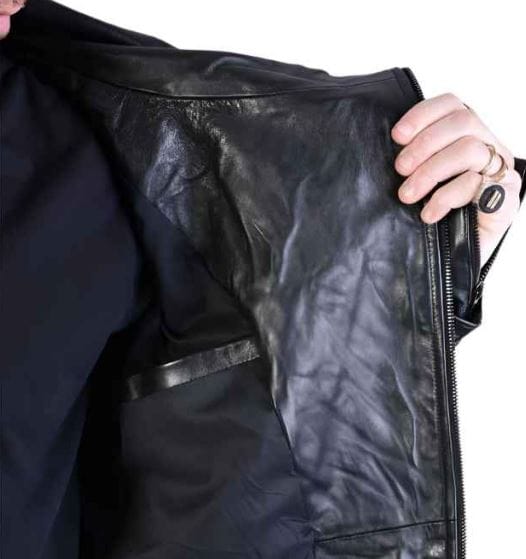
A musty, earthy odor emanating from your favorite leather jacket, handbag, or sofa is more than just an inconvenience—it is a clear indication that mold or mildew has taken hold within the material’s porous structure. Because leather is an organic material, it provides an ideal food source for mold spores when exposed to moisture and humidity. Removing the smell requires a multi-step approach that addresses both the visible microbial growth and the deep-seated odor-causing compounds.
This guide provides a detailed, professional methodology for eliminating mold odor from leather while preserving the material’s integrity and finish.
Understanding Why Leather Develops a Moldy Smell
Before treating the odor, it is helpful to understand the mechanics of the problem. Leather is hygroscopic, meaning it naturally absorbs and releases moisture from the air to maintain its suppleness. When leather is stored in a humid environment (above 60% relative humidity) or enclosed in non-breathable containers like plastic bags, that moisture becomes trapped.
Mold spores, which are ubiquitous in the air, settle on the leather and feed on organic residues such as body oils, dust, and the leather’s own natural fats. As the mold metabolizes these substances, it produces Microbial Volatile Organic Compounds (MVOCs). These compounds are the source of the characteristic “musty” or “damp basement” smell.
Critical Identification: Not everything that looks like mold is mold. A white, waxy, or cloudy film on leather—particularly vegetable-tanned leather—is often “repus” or “leather bloom,” a natural crystallization of oils and waxes. Repus has no unpleasant odor. If the substance smells musty and appears powdery or grayish, it is genuine mold.
Step-by-Step Mold Odor Removal Protocol
The following protocol is designed to remove the mold odor without causing water stains, discoloration, or drying out the leather. Always test any liquid solution on an inconspicuous area first, such as the inside of a hem or the bottom of a bag.
Step 1: Safety and Preparation
Mold spores are a health concern, particularly for individuals with allergies or asthma. Before you begin, work in a well-ventilated area, ideally outdoors. Wear gloves and a dust mask (N95 or similar) to avoid inhaling spores or exposing your skin to cleaning agents.
Step 2: Remove Loose Spores (Dry Cleaning)
Do not wipe the leather with a wet cloth immediately, as this can smear the mold and push spores deeper into the grain. First, gently brush away any visible powdery growth using a soft-bristled brush or a dry microfiber cloth. If the item has a fabric lining, you can use a vacuum cleaner on low suction with a brush attachment to remove spores from hard-to-reach crevices.
Step 3: Deep Cleaning with Vinegar or Alcohol
The core of odor removal is killing the mold spores that are producing the smell. Distilled white vinegar is the most widely recommended home remedy for this purpose because it is acidic, kills mold spores, and neutralizes odors.
The Vinegar Solution:
- Mix equal parts distilled white vinegar and distilled water.
- Dampen a clean microfiber cloth with the solution. Wring it out thoroughly. The cloth should be barely damp, never dripping wet.
- Gently wipe the affected leather surfaces. Do not rub aggressively, as this can damage the finish.
- For textured leather or stitching, you can use a soft brush dipped in the solution to work it into the crevices.
Alternative Option: Isopropyl Alcohol: For tougher mold issues, a 70% isopropyl alcohol solution (mixed 1:1 with water) can be used. Alcohol evaporates quickly and kills spores effectively, though it can be more drying to the leather than vinegar. Do not use bleach or chlorine solutions, as these will permanently damage the leather’s structure and cause brittleness.
Step 4: Deodorizing with Absorbent Materials
If the smell persists after cleaning, you need to draw the residual odor-causing molecules out of the leather. This is done using dry absorbents.
- Baking Soda: Fill a clean sock or a small breathable pouch with baking soda. Place the leather item in a sealed container (like a plastic bin or a large garbage bag) along with the baking soda pouch. Leave it for 24 to 48 hours. Baking soda is excellent at absorbing acidic odors.
- Activated Charcoal or Kitty Litter: Activated charcoal is highly porous and effective at trapping odor molecules. Place charcoal briquettes (unscented, additive-free) or clean cat litter in a sock and place it inside a sealed bag or box with the leather item for several days.
- Coffee Grounds: Fresh, dry coffee grounds can also be used in a sock to impart a pleasant odor while absorbing mustiness, though this is a masking technique best used after cleaning.
Step 5: Air Drying and Reconditioning
After cleaning and deodorizing, the leather will be dry. Never dry leather with direct heat (like a hair dryer or radiator), as this causes cracking and warping.
- Air Circulation: Place the item in a shaded, well-ventilated area with good airflow. If possible, use a fan to circulate air around the item, but avoid direct sunlight, which can fade the dye.
- Conditioning: Once completely dry, you must restore the oils lost during cleaning. Apply a high-quality leather conditioner or a neutral cream. This moisturizes the leather, prevents cracking, and helps lock in the fresh, clean scent. This step is non-negotiable for maintaining the leather’s longevity.
Comparison of Odor Removal Methods
Different situations call for different approaches. The table below compares the primary methods for removing mold smell, ranked by their effectiveness and safety profile.
Preventive Measures to Avoid Recurrence
Eliminating the mold smell is only half the battle. If you return the leather to the same environment that caused the problem, the mold will return.
Environmental Control
Mold requires humidity above 60% to thrive. The ideal relative humidity for storing leather is between 45% and 55%. In damp climates or basements, use a dehumidifier or silica gel desiccant packs in the storage area. Avoid storing leather in airtight plastic containers; use breathable cotton or flannel dust bags instead. If the item is stored in a cabinet, ensure it has some ventilation.
Regular Maintenance and Inspection
Leather that sits unused for long periods is more susceptible to mold because it lacks the natural oils from regular handling and cleaning. Inspect stored leather goods every few months. Wipe them down with a dry cloth and recondition them annually. If you spot the early stages of mold bloom (repus), simply brushing it off and airing the item can prevent it from becoming a problem.
The Role of Airflow
Stagnant air is a breeding ground for mold. When storing leather, do not pack items tightly together. Allow space for air to circulate around each item. For furniture, pull leather sofas a few inches away from the wall to prevent moisture buildup in the corner.
When to Seek Professional Help
While the methods above are highly effective for surface mold and odor, some situations require professional intervention. If the mold has penetrated deeply into the leather’s structure, if the leather is cracking or crumbling, or if the item is a valuable antique or designer piece, consult a professional leather conservator or restoration specialist. They have access to specialized solvents and conservation-grade materials that can treat severe infestations without causing further damage.
By combining careful cleaning with vinegar or alcohol, utilizing absorbent materials for deep odor extraction, and implementing strict humidity control, you can successfully eliminate mold smell from leather and restore your item to a fresh, usable condition.