Why Does My Bathroom Smell Musty? Unveiling the Hidden Culprits and Science-Backed Solutions
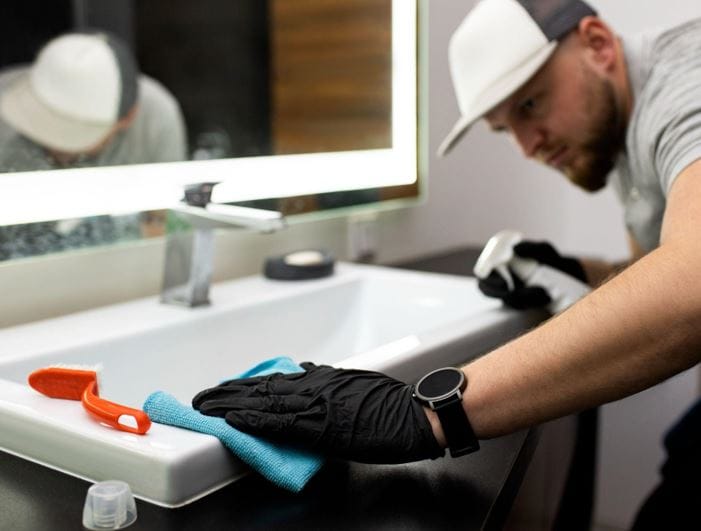
That persistent, earthy, and unpleasant musty odor in your bathroom is more than just an annoyance—it is a clear signal from your home’s environment. It points to an underlying issue of moisture, organic matter, and microbial growth. While many homeowners instinctively blame the drain, the true source is often more complex, involving a combination of humidity, trapped moisture, and the proliferation of microscopic fungi.
This article delves into the scientific and environmental factors that cause musty smells, providing a comprehensive guide to identifying, resolving, and preventing them.
The Biological Root Cause: More Than Just a Smell
At its core, a musty smell is the olfactory byproduct of microbial volatile organic compounds (mVOCs) . These are gases released by bacteria and, most commonly, fungi (mold and mildew) as they metabolize nutrients in a damp environment . A musty odor strongly indicates that a mold or mildew colony is thriving in a hidden or overlooked area of your bathroom .
For mold to flourish, three specific conditions are required: a consistent moisture source or high relative humidity, a nutrient source (such as soap scum, dead skin cells, and dust), and a suitable temperature (ideally between 20°C to 35°C) . Bathrooms, by their very function, provide all three.
Primary Sources of Musty Odors in the Bathroom
Effectively eliminating the musty smell requires identifying its source. The following table categorizes the common origins based on environmental conditions and material composition.
Comprehensive Prevention and Remediation Guide
Addressing the musty smell requires a multi-pronged approach focused on reducing moisture, eliminating nutrients, and improving air circulation.
1. Humidity Control and Ventilation
- Exhaust Fans: The most critical tool. Ensure your exhaust fan is running during and for at least 15-30 minutes after a shower. A simple test is to place a piece of toilet paper against the grille while the fan is on—it should stick to it, indicating proper suction. If not, the fan may need cleaning or replacement .
- Target Humidity Level: Maintain indoor humidity below 60%. Using a dehumidifier, especially in humid climates or during the rainy season, can significantly inhibit mold growth .
- Natural Ventilation: If possible, open windows to allow fresh air to circulate and displace humid, stale air.
2. Material and Design Changes
- Textiles: Avoid leaving damp towels bunched up. Switch to synthetic microfiber towels for faster drying, as they lack the water-retentive properties of cotton .
- Non-Porous Materials: When renovating, choose large-format tiles to minimize grout lines and use water-resistant paints. Open shelving can also promote better airflow compared to closed cabinets, which can trap moisture .
3. Cleaning Protocols
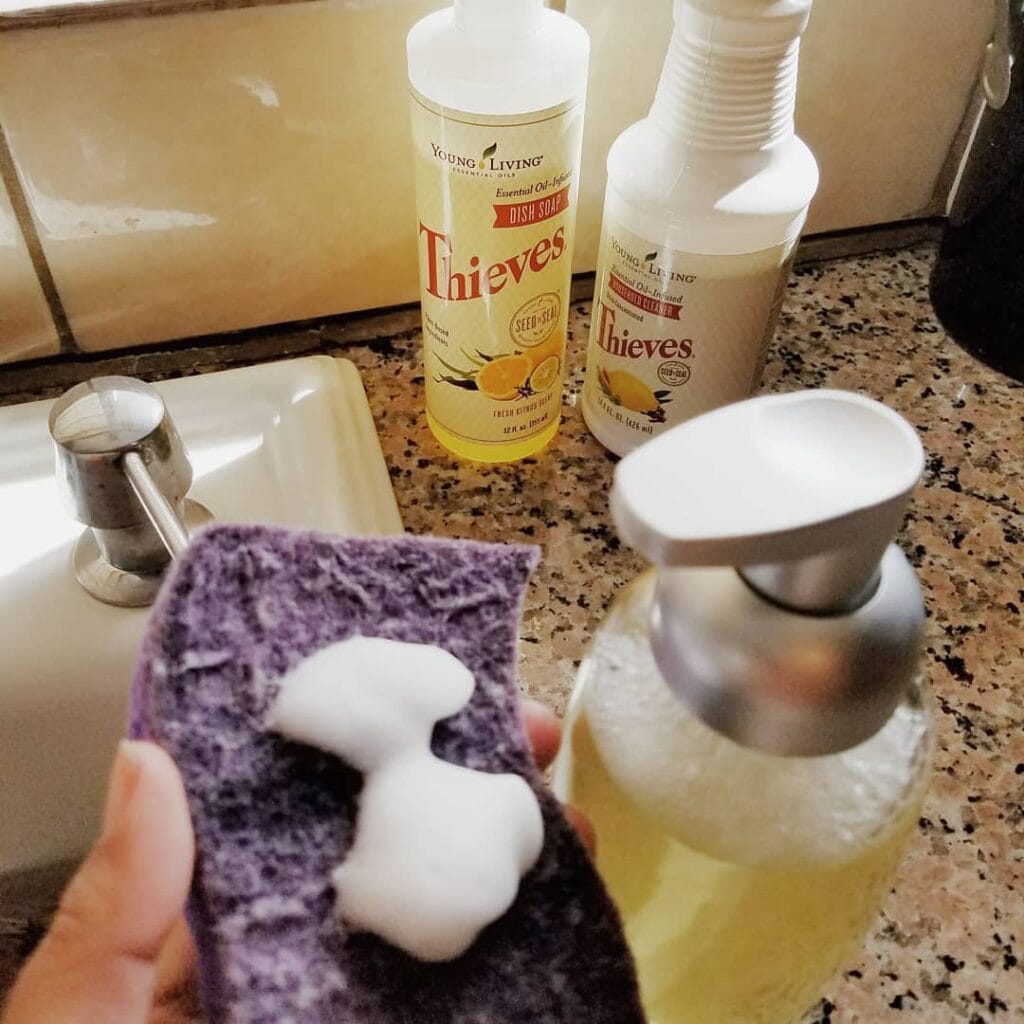
- Regular Cleaning: Clean surfaces weekly with a mildew-specific cleaner. For grout, a mixture of bleach and water (while wearing gloves and ensuring ventilation) can be effective. Never mix bleach with ammonia or other cleaners, as this produces toxic chlorine gas .
- Deep Clean: Perform a monthly deep clean of drains, the underside of the toilet rim, and the showerhead.
4. Natural and Chemical Odor Elimination
- Adsorbents: Place activated charcoal bags or coffee grounds in open containers around the bathroom. These materials are highly porous and can naturally adsorb odor molecules without masking the scent with artificial fragrances .
- Air Purifiers: For bathrooms without windows, consider a portable air purifier with a HEPA filter to reduce airborne mold spores .
Health Considerations
A musty smell is not just a sensory nuisance; it is a health concern. Mold spores are potent allergens. Inhaling them can trigger allergic reactions, respiratory issues (including asthma attacks), and, in severe cases, lead to infections like fungal pneumonia, particularly in individuals with compromised immune systems . The presence of a persistent smell should always prompt immediate action to protect the health of all household members.
Conclusion
The persistent musty smell in a bathroom is a complex problem rooted in the biology of mold and the physics of moisture. By understanding that it is caused by microbial growth fueled by trapped water and organic matter, you can move beyond merely masking the odor. A systematic inspection of textiles, grout, drains, and ventilation systems will reveal the source. Through diligent moisture control, regular cleaning of porous materials, and ensuring adequate air circulation, you can eliminate the musty smell permanently and create a healthier, fresher home environment.