How to Unclog a Kitchen Sink with a Garbage Disposal: A Comprehensive Guide
A clogged kitchen sink with a garbage disposal presents a unique challenge. The unit itself may be jammed, the drain line downstream may be blocked, or a combination of both can occur. This guide offers a structured, professional approach to diagnosis and resolution, ensuring you clear the blockage safely and effectively without damaging your plumbing.
Initial Diagnosis: Identifying the Culprit
Before taking action, it’s crucial to understand what you are dealing with. The correct solution depends on the symptoms your system is exhibiting.
Symptom: The disposal hums but does not spin.
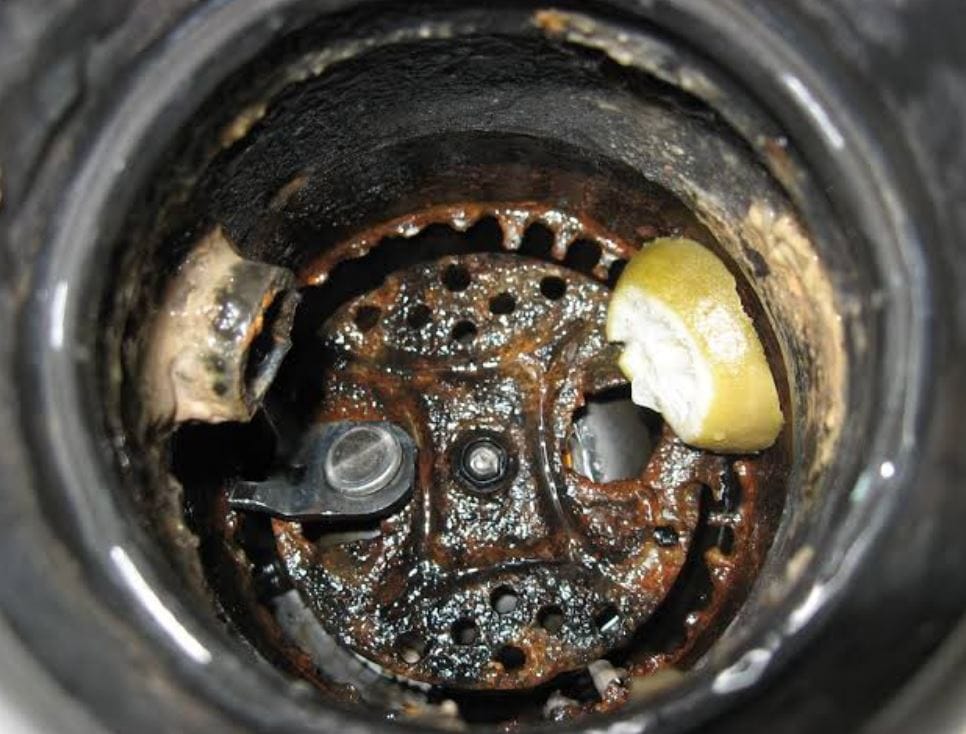
- Diagnosis: This is a clear sign of a mechanical jam inside the grinding chamber. Foreign objects, bones, or fibrous materials are preventing the impellers from rotating . The humming sound is the motor trying to turn a blocked flywheel. Attempting to force it can trip the thermal overload protector or damage the motor.
Symptom: The disposal does nothing, no sound at all.
- Diagnosis: This indicates an electrical issue or a tripped thermal fuse. The unit has likely shut itself down to prevent overheating. Common causes include a jam that was forced, or a simple overload. Check for a tripped circuit breaker at your main electrical panel, a tripped GFCI outlet, or the red reset button located on the bottom of the disposal unit itself .
Symptom: Water backs up in the sink, but the disposal runs normally.
- Diagnosis: The problem is likely a clog in the drainpipe downstream of the disposal. The disposal is grinding food, but the resulting particles cannot pass through a blockage in the P-trap or further down the drain line . This is often caused by a build-up of congealed grease and food debris.
Step-by-Step Unclogging and Unjamming Procedure
Phase 1: Safety First and Jam Clearance
A jammed disposal can be a hazard. Never place your hand inside the unit . Always begin by disconnecting power; unplug the disposal from the outlet under the sink or turn off the circuit breaker .
- Manually Rotate the Flywheel: This is the most effective method for freeing a jam. Most disposals come with a ¼-inch hex key (Allen wrench) that fits into a hole on the bottom of the unit. Insert the wrench and rock it back and forth to rotate the flywheel, breaking free the lodged item . Some manufacturers also offer a special un-jamming wrench that can be inserted from the sink-side .
- Clear Visible Debris: After manually rotating, use a flashlight to inspect the disposal chamber from the sink opening. Using tongs or needle-nose pliers, carefully remove any accessible foreign objects or food debris you can see .
- Reset and Test: Press the red reset button on the bottom of the disposal. Reconnect the power and try the switch again. If it still hums, repeat the manual rotation process. If water drains but the unit still won’t turn on, the blockage may be in the drain line .
Phase 2: Drain Line Clearing
If the sink remains clogged with water, the obstruction is downstream. Do not run the disposal without water in the sink; the water helps carry the ground food through the pipes.
- Boiling Water Method: For clogs caused by grease, a simple and effective first step is to pour a large pot of boiling water directly down the drain. The heat can melt the congealed fat, allowing it to wash away . Be careful with PVC pipes; use hot, not boiling, water to avoid damaging the joints.
- Use a Plunger: If boiling water doesn’t work, use a plunger. Fill the sink with a few inches of water to create a seal. Place the plunger over the drain and plunge vigorously and quickly several times. The pressure can dislodge the blockage .
- Clean the P-Trap: If plunging fails, the blockage is likely in the P-trap. Place a bucket under the sink to catch water and debris. Use pliers or a wrench to carefully loosen and remove the P-trap . Clean out any solid matter you find inside the pipe . Reassemble and test the flow.
Phase 3: Clearing Stubborn Clogs
For blockages that persist, you may need more advanced tools.
- Drain Auger (Plumber’s Snake): If the clog is deeper in the pipe than the P-trap, a drain auger is necessary. Feed the snake’s cable into the drain opening and crank the handle to push it through the blockage, breaking it up .
- A Note on Chemical Cleaners: Use chemical drain cleaners with extreme caution. Many are highly caustic and can damage the metal components of your garbage disposal and pipes . If used, strictly follow the manufacturer’s instructions. Some powder-based cleaners have been known to solidify and create a concrete-like blockage if misused .
The “Baking Soda and Vinegar” Myth Debunked
A popular home remedy involves pouring baking soda and vinegar down the drain to create a fizzing reaction that supposedly clears clogs. However, scientific analysis reveals this is largely ineffective .
- The Reaction: Baking soda (sodium bicarbonate) and vinegar (acetic acid) react to form water, carbon dioxide gas, and sodium acetate.
- Why It Fails: The bubbles are merely carbon dioxide gas escaping; they do not possess the chemical power to break down fats, oils, or grease . In fact, the pressure from the bubbling reaction could potentially force water back up into the sink . While it may offer a mild deodorizing effect, it will not resolve a substantive clog.
Prevention: Best Practices for Disposal Use
Preventing clogs is always preferable to clearing them. Adhering to a few rules can save considerable time and money.
By following this structured, professional guide, you can safely and effectively resolve most clogs and ensure the longevity of your kitchen garbage disposal system. If these steps fail to resolve the issue, it is a strong indication of a deep blockage in your main plumbing line, at which point professional intervention from a plumber is recommended .