The Complete Guide to Keeping Satin Sheets from Sliding Off the Bed
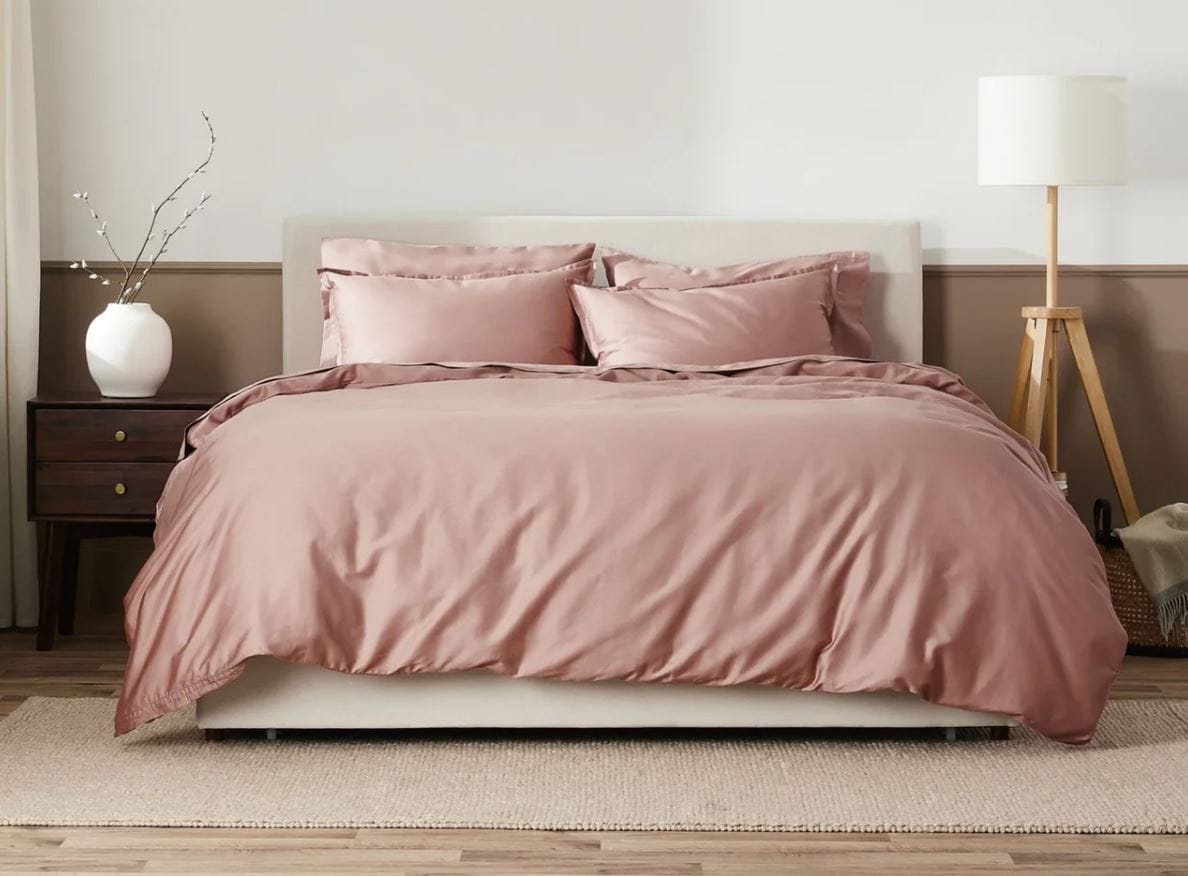
Satin sheets are synonymous with luxury. Their smooth, cool surface offers an unparalleled sleep experience, reduces friction on hair and skin, and adds an elegant aesthetic to any bedroom. However, anyone who has owned a set of satin sheets knows the primary drawback: they are incredibly slippery. It is a common occurrence to wake up in the middle of the night to find the flat sheet bunched at the foot of the bed or the fitted sheet completely detached from the corner of the mattress.
This persistent issue is due to the physical nature of the fabric. Satin is not a fiber but a weave. When made from silk, polyester, or nylon, the weave creates a long-float surface with very low friction. When paired with a standard mattress protector or a smooth mattress surface, there is simply nothing for the fabric to grip, resulting in a “slip-and-slide” effect throughout the night.
Fortunately, you do not have to choose between comfort and stability. Below is a structural, in-depth guide detailing the most effective methods, products, and hacks to keep your satin sheets exactly where they belong.
Table: Comparison of Satin Sheet Retention Methods
| Method | Effectiveness (1-5) | Cost | Ease of Implementation | Best For |
|---|---|---|---|---|
| Sheet Suspenders/Straps | 5 | Low | Medium (requires lifting corners) | Fitted sheets detaching from corners |
| Mattress Encasement (Cotton/Bamboo) | 4 | Medium | High (put on once) | Full mattress coverage and grip |
| Non-Slip Rug Pad Underlay | 4 | Low | High (cut to size) | Full sheet movement and sliding |
| Safety Pins / Binder Clips | 3 | Low | High | Budget DIY and pinch points |
| Roughing the Surface (Velcro/Hairspray) | 2 | Low | High | Temporary fixes |
| Weighted Blanket | 3 | Medium/High | Low (just lay on top) | Flat sheet bunching |
| Tucking & Hospital Corners | 2 | Free | Medium | Flat sheet stability |
1. The Gold Standard: Sheet Suspenders and Straps
If you are looking for the highest success rate with the least amount of structural change to your bed, sheet suspenders (also known as sheet fasteners or sheet grippers) are the industry standard.
How They Work
Sheet suspenders are elastic bands with heavy-duty clips (usually metal or hard plastic) at the ends. They are installed underneath the mattress, stretching diagonally across the corners of the fitted sheet.
Implementation
- Triangular Design: Clip one end to the fabric near the corner of the fitted sheet, run the strap under the mattress, and clip the other end to the adjacent side of the same corner.
- Straight Design: For flat sheets or blanket shifting, clips can attach to the sides of the sheet and stretch across the width or length of the bed underneath the mattress.
Pros and Cons
- Pros: Highly effective, affordable (usually under $15), universally fits all mattress sizes, prevents both horizontal and vertical slippage.
- Cons: Clips can potentially leave marks on delicate silk satin if over-tightened. You also need to lift the heavy mattress to install them initially, and re-clipping is required every time you wash the sheets.
Professional Tip: Look for suspenders with wider clips and padding to distribute tension evenly and prevent tearing delicate satin weaves.
2. Foundation Friction: The Role of the Mattress Protector
Often, the problem isn’t just the sheet; it’s the surface beneath it. If you place satin on top of a smooth, waterproof mattress protector (often made of plastic or vinyl), you have created a zero-friction environment. Satin on waterproof material is like Teflon on Teflon.
The Solution: A High-Friction Underlayer
Replace smooth protectors with a cotton quilted mattress pad or a bamboo terry mattress protector. These materials have a rough, textured surface that mimics the grip of standard cotton sheets.
Why This Works
Satin is lightweight. Without grip, it glides over smooth surfaces. A textured cotton topper provides microscopic “hooks” for the satin weave to catch on, increasing the static friction coefficient.
Implementation
- Remove any plastic or smooth vinyl encasements if possible (unless needed for allergen protection; if so, layer over it).
- Install a thick, quilted cotton mattress pad.
- Place the satin fitted sheet over the cotton pad.
Professional Tip: If you must use a waterproof layer due to allergies or children, place a cotton sheet between the waterproof layer and the satin sheet. The cotton will grip the waterproof layer, and the satin will grip the cotton.
3. The Non-Slip Underlay Method
This is a favorite hack among those with adjustable beds or active sleepers. It utilizes materials designed for other household purposes.
Materials
- Non-slip Rug Pads (Felt/Rubber Mesh): Used to keep area rugs from sliding on hardwood floors.
- Shelf Liner (Rubber Mesh): Typically used in kitchen cabinets.
How to Install
- Measure your mattress (or just the top half where you sleep).
- Cut the rug pad or shelf liner to fit the top of the mattress (or the entire surface).
- Place the mesh directly on the mattress (under the fitted sheet).
- Put the fitted sheet on over it.
Why It Works
The rubberized mesh creates a high-traction barrier. The open weave allows for some breathability while the rubber grips both the mattress and the slippery satin.
Caution: Avoid using this method if you sleep “hot.” Rubber and vinyl liners can significantly reduce airflow and trap body heat, negating the cooling benefits of satin. Choose a “felted” rug pad if heat is a concern.
4. Engineering Solutions: Alterations and Additions
If you are committed to satin bedding, you can modify the sheets themselves to increase their structural integrity.
A. Adding Weight (The Hem Solution)
Satin is light, which is why it floats around the bed. Sewing small weights (like drapery weights or large washers wrapped in fabric) into the hem of the flat sheet can anchor it down.
B. Deep Pocket and Elastic Quality
Not all satin sheets are created equal. Cheaper satin often has weak, thin elastic that stretches out after three washes.
- Look for: “Extra Deep Pocket” satin sheets (18 inches or deeper).
- Look for: Thick, heavy-duty elastic that is sewn into the entire perimeter of the fitted sheet (not just the corners).
C. Adding Corner Straps Yourself
If you are handy with a needle and thread, you can sew thick elastic bands directly into the corners of your fitted sheet, creating a permanent “suspender” system.
5. Dealing with the Flat Sheet (Top Sheet)
While the fitted sheet is the most common complaint, the flat sheet often ends up as a ball at the foot of the bed.
The “Tuck and Fold” Method
Satin sheets require a specific tucking technique to stay put.
- Pull the flat sheet up to the head of the bed.
- Tuck the bottom of the sheet firmly under the mattress.
- Create “hospital corners” by lifting the side drape and tucking it underneath diagonally.
- This creates a pocket that locks the sheet down. Ensure the sheet is large enough to allow for this without pulling out during sleep.
The Duvet Weight Method
Sometimes, the flat sheet slides because there is not enough weight on top of it. A heavy duvet or comforter acts as a press, holding the flat sheet in place via sheer gravitational force. If you use a very light quilt, the satin will roam freely. Consider a heavier fill duvet or a weighted blanket.
6. The Pinch Method: Clips and Fasteners (DIY)
For a zero-cost solution using items you likely have at home, you can use mechanical fasteners.
- Binder Clips: Large metal binder clips (office supplies) can be clamped to the edge of the mattress rails, pinching the sheet to the mattress piping. Be careful of the metal arms scratching wood bed frames.
- Safety Pins: Secure the sheet to the mattress seams underneath the bed where you won’t feel them. Use large, heavy-duty brass pins.
- T-Shirt Clips: For the flat sheet, clip the top hem to the duvet cover so they move as one unit.
Professional Warning: Metal fasteners can rust or tear the delicate threads of satin. This is best used as a temporary fix or on less expensive polyester satin sets.
7. Humidity and Static Control
In dry climates or during winter, static electricity can make satin sheets stick to your body and then fly off when you roll over. This is a physical reaction that increases the “sliding” effect.
The Fix
- Humidifier: Running a humidifier in the bedroom during dry months reduces static charge.
- Anti-Static Spray: A light mist of anti-static spray (or a DIY mix of water and fabric softener) between the sheet and the mattress pad can neutralize the charge.
- Dryer Balls: When washing, use wool dryer balls instead of dryer sheets. Dryer sheets leave a coating that can make satin more slippery. Wool balls reduce static without residue.
Comparison: Satin vs. Silk vs. Polyester
Understanding the material you own will help you choose the right retention method. While often used interchangeably, “satin” is a weave, not a material.
| Characteristic | Silk Satin (Mulberry) | Polyester Satin | Cotton Sateen |
|---|---|---|---|
| Friction Level | Low (very slippery) | Extremely Low (most slippery) | Medium (less slippery) |
| Durability vs. Clips | Delicate; prone to snags | High; resistant to tearing | High |
| Weight | Lightweight | Ultra-Lightweight | Heavier |
| Retention Strategy | Requires padded clips and gentle friction | Can handle heavy-duty suspenders and clips | Often stays put with a good tuck only |
Summary of Best Practices
To achieve a “slip-free” bed, you should employ a combination of the above strategies. You cannot rely on just one method if you are an active sleeper.
- Layer Correctly: Start with a textured, non-slippery foundation (cotton mattress pad).
- Secure the Corners: Install sheet suspenders on the fitted sheet. This is non-negotiable for satin.
- Anchor the Top: Use a heavy duvet or hospital corners for the flat sheet.
- Maintain the Fabric: Wash satin in cold water and avoid fabric softeners, which coat the fibers and make them slipperier over time.
By addressing the physics of the fabric (low friction) and the mechanics of the bed (movement), you can enjoy the silky comfort of your sheets without waking up on a bare mattress.