Will Sevin Dust Kill Japanese Beetles? A Comprehensive Guide for Homeowners and Gardeners
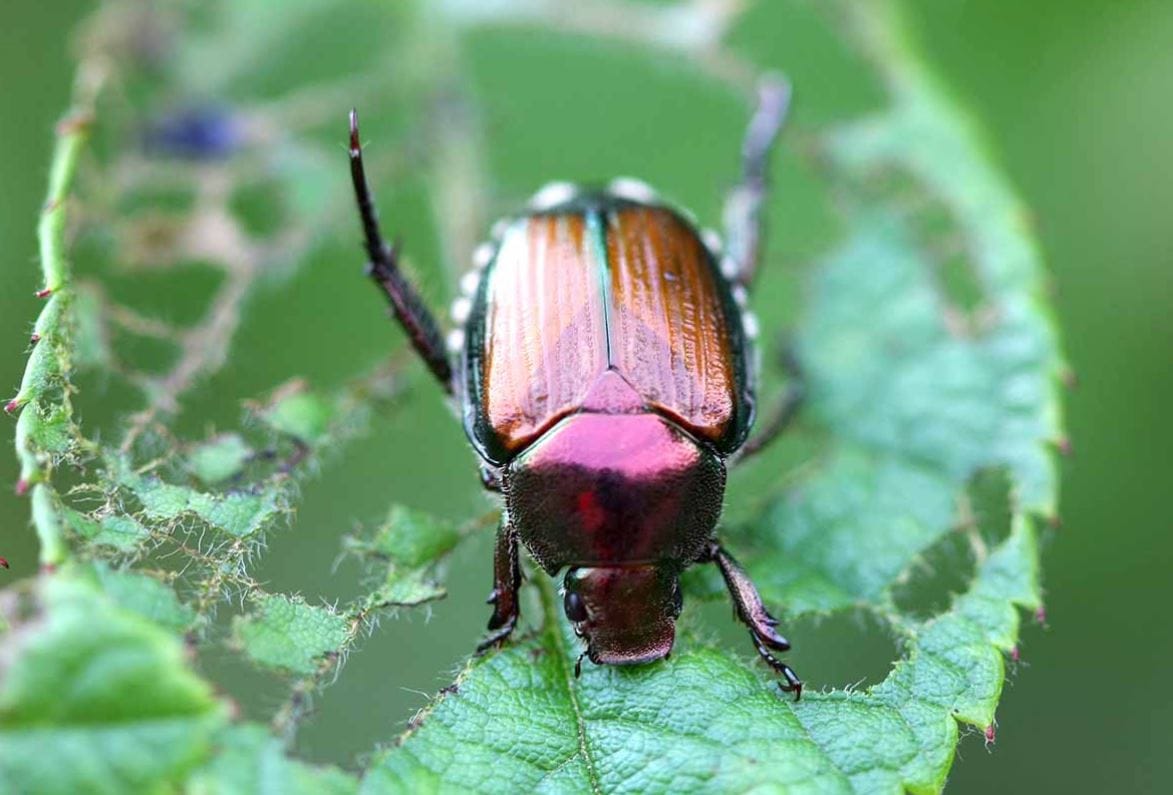
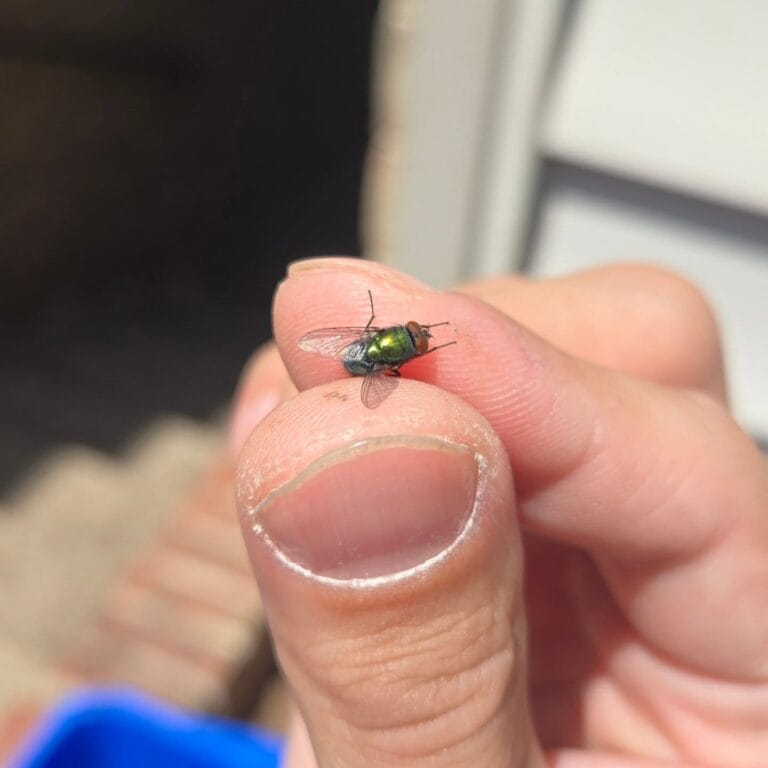
The arrival of Japanese beetles (Popillia japonica) in a garden signals the beginning of a battle. These invasive pests, with their distinctive metallic green bodies and coppery wings, are voracious feeders capable of skeletonizing the leaves of over 300 plant species . For homeowners facing an infestation, Sevin Dust often emerges as a first line of defense. This article provides an in-depth, evidence-based analysis of Sevin Dust’s efficacy against Japanese beetles, proper application methods, and its place within a broader integrated pest management (IPM) strategy.
What is Sevin Dust and How Does It Work?
Sevin Dust is a broad-spectrum, contact insecticide whose active ingredient is carbaryl, a chemical compound belonging to the carbamate class . It functions as a cholinesterase inhibitor, disrupting the nervous system of insects upon contact or ingestion, leading to rapid paralysis and death . For Japanese beetles, which are chewing insects, the dust is effective when they feed on treated foliage or come into direct contact with it.
Manufacturer labels and product descriptions explicitly list Japanese beetles among the more than 150 insect pests that Sevin Dust kills and controls . It is marketed as an effective tool for protecting lawns, ornamental flowers, shrubs, and fruit and vegetable gardens from these destructive pests .
Does It Effectively Kill Japanese Beetles? The Verdict
Yes, Sevin Dust is scientifically proven and widely recognized as an effective control agent for Japanese beetles. Multiple university extension services list carbaryl (the active ingredient in Sevin) as one of the best choices for controlling adult beetles . Official EPA-registered labels for Sevin Dust products include Japanese beetles on their list of controlled pests, citing specific application rates to ensure efficacy .
However, it is crucial to distinguish between “killing” and “controlling.” Sevin Dust is highly effective for immediate knockdown and short-term control. It kills beetles that come into contact with it on the day of application. It is not a systemic insecticide and does not provide long-term residual protection. As experts note, applications may need to be repeated every four to seven days during peak beetle activity to maintain control .
Application Guidelines for Optimal Results
To maximize efficacy while minimizing risks to the environment and human health, proper application is non-negotiable.
Preparation and Timing
- Apply at First Sign: Begin treatment when Japanese beetles first appear or at the first sign of skeletonized leaf damage .
- Calm Weather: Apply on a calm day when no rain is forecast for at least 24 to 48 hours. Rain or watering will wash the dust away, negating its effect .
Application Technique
The goal is a thin, uniform layer of dust on both the upper and lower surfaces of leaves, stems, and flowers where beetles feed .
- Use a Duster: Apply using a shaker can, dust gun, or rotary duster to ensure even coverage .
- Targeted Coverage: Focus on the canopy of affected plants, ensuring thorough coverage of new growth and flowering parts.
- Avoid Blooming Plants: Do not dust open blooms. This is a critical step to protect pollinating insects like bees and butterflies . Apply in the early morning or evening when pollinators are less active .
Post-Application
- Re-entry: People and pets can return to the treated area once the dust has settled .
- Reapplication: Reapply after rain or heavy irrigation . Do not repeat application more than once a week .
Efficacy Comparison: Sevin Dust vs. Other Control Methods
The following table provides a comparative analysis of Sevin Dust against other common Japanese beetle management strategies.
Risks and Considerations for Using Sevin Dust
Toxicity to Pollinators and Beneficial Insects
This is the most significant concern. The EPA label explicitly warns that carbaryl is “highly toxic to bees exposed to direct treatment or residues on crops” . Sevin Dust’s broad-spectrum nature means it will kill not only Japanese beetles but also beneficial predatory insects that help keep other pests in check.
Human and Pet Safety
While carbaryl is a moderate cholinesterase inhibitor, it is considered relatively safe for mammals when used according to label instructions . However, users should avoid inhaling the dust and wash hands thoroughly after application .
Resistance Management
Over-reliance on Sevin Dust can lead to carbaryl resistance. Rotating insecticide classes is a recommended practice to prevent resistance buildup in beetle populations .
Integrated Pest Management (IPM) Strategy
An effective approach uses Sevin Dust as a tactical tool within a broader strategy:
- Cultural Control: Handpick beetles in the early morning when they are sluggish and drop them into soapy water. This is highly effective for small infestations .
- Biological Control: Consider using beneficial nematodes or milky spore to target grubs in the soil. While results are not immediate, this provides long-term population suppression .
- Chemical Control: Use Sevin Dust as a spot treatment for heavily infested plants. Do not treat the entire garden, only the plants that are actively being skeletonized.
- Protect Pollinators: Apply Sevin Dust in the early morning or late evening when bees are not foraging, and never apply it to open flowers .
Conclusion
Sevin Dust will indeed kill Japanese beetles effectively and rapidly. The active ingredient, carbaryl, is a proven contact insecticide that provides excellent short-term control. However, its use comes with significant responsibility. It is a non-selective pesticide that poses a high risk to pollinators and beneficial insects. The most prudent approach is to use Sevin Dust judiciously as a component of an Integrated Pest Management plan, combining it with cultural and biological controls to manage Japanese beetle populations sustainably while protecting the broader garden ecosystem. Always, the label is the law—read and follow all instructions meticulously .