How to Keep a Cat from Scratching Door Frames: The Ultimate Guide for a Scratch-Free Home
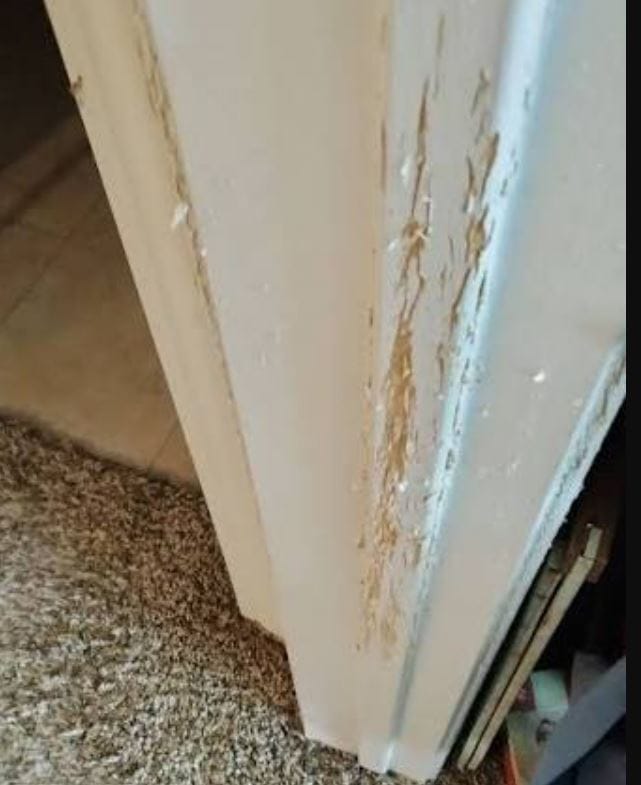
Cat owners know the frustration: you love your feline companion, but those vertical claw marks on your door frames are an eyesore and a financial headache. Scratching is a deeply ingrained, natural feline behavior, but that doesn’t mean you have to sacrifice your woodwork . This comprehensive guide will equip you with professional, actionable strategies to stop your cat from scratching door frames, combining physical protection, behavioral redirection, and environmental management.
Understanding Why Cats Scratch Door Frames
Before you can effectively solve the problem, it’s crucial to understand the “why.” Scratching is not an act of malice; it’s an innate and vital activity for cats serving several essential purposes .
- Claw Maintenance: The primary function of scratching is to shed the dead outer sheaths of their claws, keeping them sharp and healthy .
- Territorial Marking: Cats have scent glands in their paws. Scratching leaves both a visual mark and a pheromone scent that communicates “this is my territory” to other animals .
- Stretching and Exercise: When a cat stretches up to a door frame, they are engaging the muscles of their back, shoulders, and paws. It feels good !
- Stress Relief and Emotional Comfort: Scratching can be a coping mechanism for anxiety, stress, or boredom . A new pet, a move, or a change in routine can trigger an increase in this behavior.
Why Door Frames Specifically? Door frames are tall, sturdy, and ideally located in high-traffic “home hotspots.” The texture of wood or painted wood often mimics the tree bark cats would naturally scratch in the wild .
Strategy 1: Physical Protection
The most immediate solution is to make your door frames physically resistant to damage. This involves creating a barrier that either protects the wood or deters the cat from scratching in the first place.
Comparison of Door Frame Protectors
Pro Tip: When using clear protectors, ensure the surface is clean and dry for optimal adhesion. Some products recommend not using them on furniture where the paint is not firmly adhered .
Strategy 2: Redirection and Environmental Management
Protection is a band-aid; redirection is the cure. The goal is to provide alternative scratching surfaces that are more appealing than your door frame.
A. Providing the Right Scratching Post
Not all scratching posts are created equal. To successfully redirect your cat, you need to think like a cat.
- Material Matters: Most cats prefer sisal rope (especially a vertical weave) or corrugated cardboard . Avoid soft, fluffy carpet as it can confuse a cat into thinking the living room floor is a valid scratching spot .
- Height is Critical: The post must be tall enough for your cat to fully stretch upwards—at least 60cm to 90cm (24 to 35 inches) . Skip the “kitten” posts and buy an adult-sized one immediately .
- Stability is Non-Negotiable: A wobbly or tip-prone post is useless. Your cat needs to be able to lean their full weight against it without it moving .
- Strategic Placement: Place the new scratching post directly next to the door frame that your cat is currently damaging . This makes it the path of least resistance. Once they are consistently using the post, you can gradually move it a few inches at a time to a more convenient location.
B. Encouraging Use of the New Post
- Catnip Attraction: Sprinkle high-quality catnip on the post to pique your cat’s interest . (Note: Not all cats respond to catnip, but many do).
- Play and Praise: Dangle toys from the post and reward your cat with treats and praise whenever they interact with it .
- Mimic the Motion: Gently take your cat’s paws and mimic the scratching motion on the post to show them what it is for . Never force them.
Strategy 3: Training and Deterrents
The final layer is a combination of behavioral training and gentle deterrents.
Table of Training and Deterrent Methods
A Step-by-Step Plan to a Scratch-Free Home
- Assess and Protect: Inspect the damage. Immediately apply a clear vinyl protector or a physical shield to the damaged door frame to stop further harm .
- Provide an Upgrade: Acquire a tall, sisal scratching post and place it directly next to the protected door frame .
- Make it Irresistible: Rub the post with catnip or use a toy to encourage your cat to use it. Reward every use with a treat .
- Address Underlying Needs: Ensure your cat has adequate playtime and environmental enrichment (toys, window perches) to reduce stress and boredom .
- Maintain and Monitor: Continue to praise appropriate scratching. If your cat approaches the door frame, gently redirect them to the post. Be patient; this process takes consistency.
By combining physical protection with an understanding of feline psychology and positive reinforcement, you can protect your home and keep your cat happy and healthy.