Can You Put Paper Towels in an Air Fryer? The Definitive Safety Guide
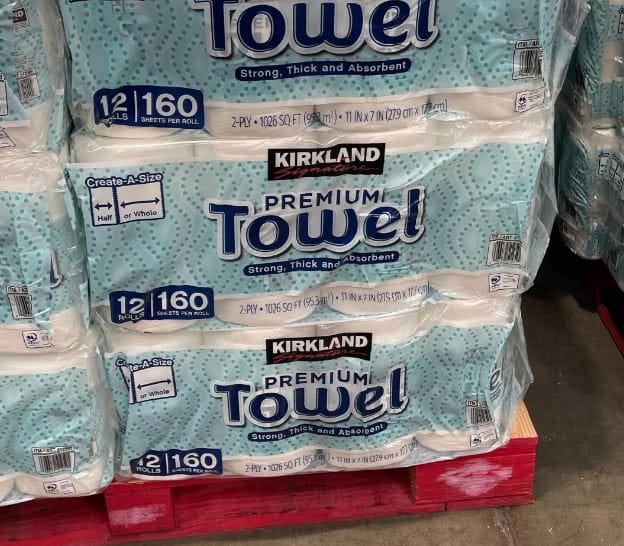
The air fryer has revolutionized home cooking, promising crispy textures with minimal oil. With its rapid adoption comes a wave of kitchen hacks, one of the most debated being the use of paper towels. Perhaps you want to soak up excess grease from bacon, catch cheese drippings, or simply reheat a greasy slice of pizza without the mess. The logic seems sound: less mess, easier cleanup.
However, when dealing with a compact convection oven that generates intense, cyclonic heat, the physical properties of standard kitchen paper change dramatically. This article provides a deep dive into the material science, safety risks, and culinary best practices regarding paper towels and air fryers.
The Short Answer
Technically, yes, but with severe, non-negotiable caveats. You can place a paper towel in an air fryer only if it is mechanically weighed down by food, and only if that food covers the entire surface of the towel. Placing an empty, loose paper towel in a preheating air fryer is an immediate fire hazard. For most cooking scenarios, the risk-to-reward ratio makes the practice inadvisable compared to safer alternatives.
The Physics of Danger: Why Air Fryers and Paper Towels Clash
To understand the risk, you must understand the airflow. Unlike a conventional oven where heating elements radiate warmth, an air fryer uses a heating element paired with a high-velocity fan located at the top of the chamber.
When you place a lightweight, high-surface-area object like a paper towel into the basket, the fan’s forced air acts like a wind tunnel. If the paper towel is not fully secured by a heavy, dense food item, the airflow will lift it. It doesn’t matter if the air is blowing “down”; the circulation pattern in a drawer-style air fryer creates updrafts. A lifted sheet inevitably makes contact with the red-hot heating element, igniting instantly.
The Ignition Temperature: Standard cellulose paper towels ignite at approximately 450°F (232°C). While many air fryer recipes call for 400°F (204°C), the heating element itself oscillates to much higher temperatures to maintain ambient heat, easily surpassing the paper’s flash point on direct contact.
Comparative Analysis: When It Works vs. When It Fails
The safety hinges entirely on ballast (weight) and coverage. The table below details specific use cases and their associated risk levels.
| Use Case Scenario | Risk Level | Stability of Towel | Verdict & Technical Reasoning |
|---|---|---|---|
| Empty basket preheating | 🔴 Extreme | None (Lightweight) | Never do this. The fan will suck the sheet upward instantly. Direct heating element contact equals open flame. |
| Under a single chicken breast | 🟠 High | Low to Moderate | The meat does not cover the corners. Air currents will lift the exposed edges, drying them out and creating char points. |
| Under a full layer of bacon | 🟡 Moderate | Moderate | Bacon shrinks as it renders fat. Mid-cycle, the edges of the paper become exposed and lightweight, posing a mid-cook fire risk. |
| Beneath a heavy, solid baking dish | 🟢 Low | Very High | If a ceramic/pyrex dish completely pinches the paper down, it cannot fly. However, this blocks the bottom airflow, defeating the air fryer’s purpose. |
| On top of food (to prevent splatter) | 🔴 Extreme | None | Never do this. This guarantees immediate suction into the upper heating element. |
| Soaking up grease after cooking | 🟢 Safe | N/A | Recommended. Once the basket is removed and power is off, dab away. |
The Grease Fire Variable
It is not just the paper catching fire you need to worry about; it is the combustible fuel source pooling beneath it. Air fryers excel at rendering fat. When cooking high-fat proteins like chicken thighs or 80/20 ground beef, grease drips into the bottom pan.
Paper towels are oleophilic (oil-absorbing). If a soaked paper towel is subjected to high heat in an oxygen-rich, high-airflow environment, you have created a self-sustaining candle wick. Even if the paper doesn’t fly up, the oil-soaked cellulose can surpass its autoignition temperature far faster than dry paper.
Key takeaway: Never use paper towels to “soak up oil” while actively cooking fatty meats.
Exceptions, Hacks, and Emergency Protocols
If you absolutely must use a paper towel for a specific textural reason—like drying the skin of a fish fillet mid-cook—follow this strict protocol.
The “Weighted Blanket” Method (For Low-Risk Items)
- Never Preheat: Place the food and the paper in the cold basket together.
- Trim Excess: Cut the paper towel so it is slightly smaller than the food item. No edges should be visible.
- Density Check: The food must be heavy. Broccoli florets will not hold a towel down; a dense, flat steak might.
- Temperature Buffer: Stay below 380°F (193°C) to provide a safety margin against the paper’s flash point.
Emergency Protocol
If a paper towel ignites:
- Do NOT open the basket. Opening introduces oxygen, turning a small flame into a fireball.
- Unplug the unit immediately.
- Let the fire suffocate. The airtight seal of a closed air fryer will starve the fire of oxygen quickly.
Safer Alternatives for Air Fryer Cleanup
Rather than fighting the wind, use materials designed for high-turbulence heat. The following comparison identifies the correct tools for specific goals.
| Goal | Material | Why It’s Superior |
|---|---|---|
| Absorbing Grease | A slice of stale bread | Placed in the bottom basket, bread absorbs liquid grease without flying up or igniting until severely burnt. Disposable and edible (for birds/squirrels after). |
| Catch-all Liner | Silicone Air Fryer Pot | Reusable, perfectly weighted, and designed with ridges to allow airflow. Zero ignition risk. |
| Perforated Steaming/Parchment | Pre-cut Parchment Liners | Specifically designed with holes to allow air circulation. Unlike paper towels, they are dense and smooth, offering less lift, but must still be weighed down by food during preheat. |
| Post-Cook Wiping | Paper Towels | Perfectly safe. The gold standard for wiping the cooled basket. |
The Final Verdict
While you can put a paper towel in an air fryer under hyper-specific, weighted conditions, you should not make it a standard practice. The risk of catastrophic failure—flying debris, burning embers, and grease fires—outweighs the convenience of easy cleanup.
The air fryer is a precision tool, not a garbage disposal. Stick to parchment paper liners or, better yet, a silicone basket. Save the paper towels for blotting your perfectly cooked steak after it leaves the basket. Your kitchen safety depends on respecting the cyclone.