What Are Viva Paper Towels Made Of? A Comprehensive Material Breakdown
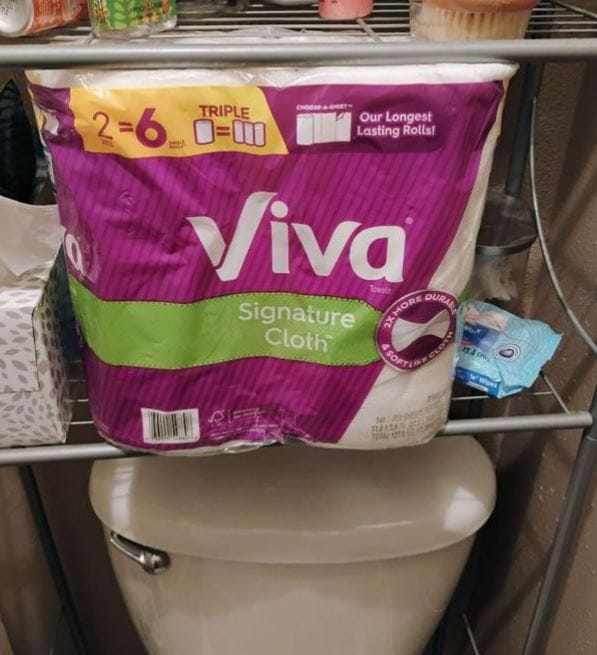
When you reach for a Viva paper towel to clean a spill, you are interacting with a sophisticated engineered product. While it may look and feel like simple paper, Viva paper towels are the result of advanced material science and manufacturing processes.
Unlike standard paper towels that may feel stiff or rough, Viva towels are known for their cloth-like texture, durability, and high absorbency. This is achieved through a unique combination of wood-based cellulose fibers, specialized chemical treatments, and a proprietary manufacturing process.
The Primary Raw Material: Cellulose Pulp
The foundational material of virtually all Viva paper towels is cellulose pulp derived from wood fibers. Viva’s parent company, Kimberly-Clark, emphasizes a commitment to responsible forestry. The pulp used in Viva products is sourced from a mixture of materials from FSC®-certified forests and FSC-controlled wood sources. This certification ensures that the wood pulp comes from responsibly managed forests that provide environmental, social, and economic benefits.
- Standard Viva Towels: These are primarily made from a blend of virgin wood pulp fibers. Virgin pulp provides the strength and absorbency that consumers expect.
- Viva Eco (Bamboo) Line: A notable variation is the Viva Eco product line, which is manufactured from 100% bamboo fibers. Bamboo is a highly renewable resource, offering a more sustainable alternative to traditional tree-based pulp. These towels are also advertised as biodegradable, compostable, and free from harmful chemicals and bleaches.
The “Secret Sauce”: Chemical and Binder Treatments
The wood pulp alone does not create Viva’s unique cloth-like feel. The secret lies in a proprietary production method known as the “double recreping” process, combined with specific chemical treatments.
1. The Double Recreping Process
Patents related to tissue manufacturing reveal that Viva towels are produced using a process often referred to as double recreping. This is a multi-step process designed to make the paper both strong and flexible. Here is a simplified breakdown:
- Base Sheet Formation: A base sheet is created using a wet-laid or through-air-dried process.
- Debonding: The fibers in the base sheet are treated with a “debonder” chemical. This reduces the natural hydrogen bonding between the wood fibers, making the sheet softer and more flexible.
- Printing and Creping: A flexible polymeric binder (often a type of latex) is printed onto the sheet.
- Recreping: The sheet is adhered to a heated cylinder (like a Yankee dryer) and scraped off with a blade—this is the creping process. The creping breaks some of the fiber bonds and creates a “micro-wrinkle” structure in the paper. This structure is what gives Viva towels their stretchy, cloth-like feel.
- Repetition: This printing and creping process is performed on both sides of the sheet (hence “double” recreping). This creates a towel that is flexible and soft, yet very strong because the flexible binder replaces stiff chemical bonds with more flexible ones.
2. Key Chemical Additives
During the manufacturing process, several chemical agents are added to achieve specific properties:
- Debonders: Added to the fiber layers (often in the center and air-side layers) to reduce fiber-fiber bonding and increase softness and bulk.
- Wet Strength Agents (Kymene® 557 LX): Added to give the towel strength even when wet. This prevents the towel from disintegrating easily during use.
- Flexible Polymeric Binders (Latex): Printed onto the surface and recreped. These binders are crucial for the cloth-like durability and flexibility, providing strength without making the towel stiff.
- Carboxymethylcellulose (CMC): May be added to the fabric side layer to aid in the manufacturing process and contribute to strength.
Viva Product Comparison: Material and Feature Breakdown
Viva offers several product lines, each with slightly different material formulations and features. The table below provides a structured comparison of the key lines available in the market.
Sustainability and Sourcing
Kimberly-Clark, the manufacturer of Viva, has been actively working to reduce its environmental impact. A key aspect of their sustainability strategy is the sourcing of raw materials.
FSC Certification
Viva towels are made using FSC®-certified materials. This label is crucial as it assures consumers that the paper comes from responsibly managed forests that provide environmental, social, and economic benefits. Kimberly-Clark states that 100% of their fiber suppliers are certified.
Reducing Plastic Waste
In addition to responsible fiber sourcing, the company is addressing plastic waste. A recent trial in Australia successfully removed secondary plastic packaging from Viva paper towels, a move projected to save 15 tonnes of plastic annually. Furthermore, the soft plastic packaging on Viva products now includes 20% recycled content.
Viva Eco Line
For consumers seeking the most sustainable option, the Viva Eco line represents a significant shift. Using 100% bamboo fibers, which is a fast-growing and renewable resource, and being free from harmful chemicals and bleaches, this line caters to environmentally conscious consumers looking for a product that is both effective and kinder to the planet.
Conclusion: A Blend of Science and Sustainability
In summary, Viva paper towels are a sophisticated product made of:
- Cellulose Fibers: Primarily wood pulp sourced from responsibly managed FSC-certified forests, with a bamboo-based variant for the eco-friendly line.
- Chemical Additives: Including debonders for softness, wet-strength agents for durability, and flexible polymeric binders for cloth-like feel.
- Advanced Engineering: The unique “double recreping” process is the core technology that gives Viva its signature strength, flexibility, and cloth-like texture.
The product’s composition is a direct result of consumer demand for high-performance cleaning tools and increasing pressure for sustainable manufacturing. Whether you opt for the powerful Multi-Surface Cloth, the soft Signature Cloth, or the eco-conscious Viva Eco, you are using a product built on decades of material science and a growing commitment to environmental responsibility.