Hibiscus and Aphids: A Comprehensive Guide to Identification, Control, and Prevention
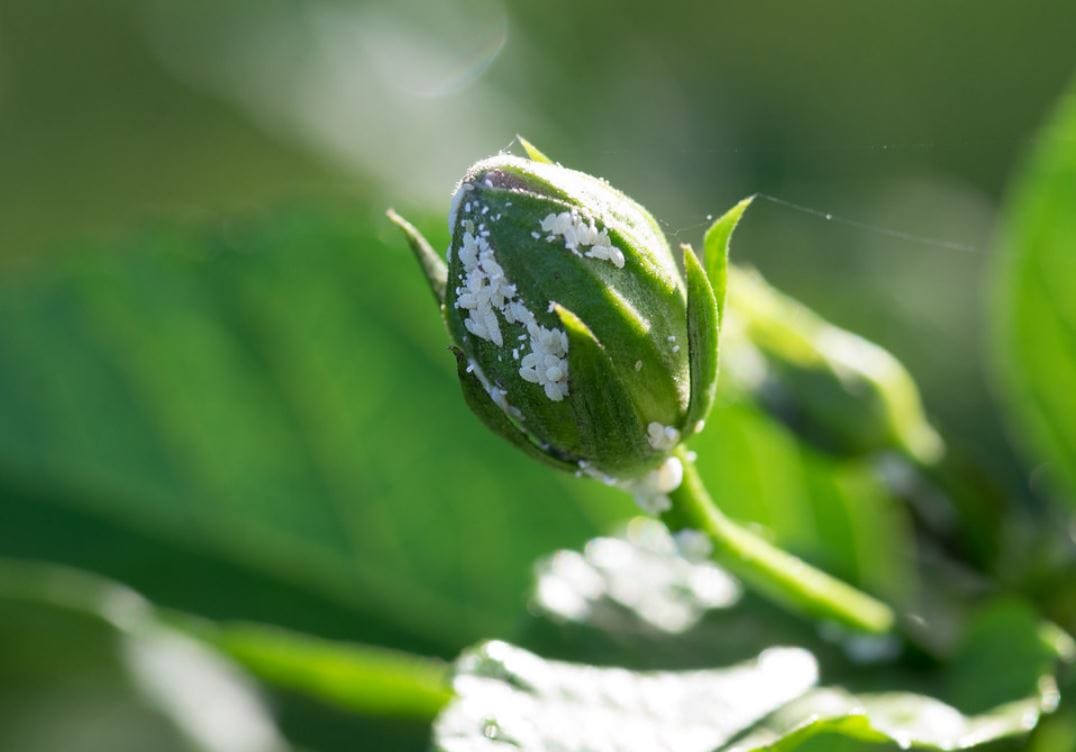
Hibiscus plants, with their large, vibrant blooms, are a staple in tropical and temperate gardens worldwide. However, their lush, sap-rich growth makes them a prime target for one of the most common garden pests: the aphid. This detailed guide provides a professional, research-backed examination of the relationship between hibiscus and aphids, offering strategies for identification, control, and long-term prevention.
Understanding the Pest: Aphid Biology and Behavior
Aphids, sometimes referred to as “plant lice,” are small, soft-bodied insects that feed on the sap of plants. With over 4,000 species identified, they are a global horticultural challenge . On hibiscus, the most common aphid species are often from the Aphis genus, such as the cotton aphid (Aphis gossypii).
Identification
While often described as “black aphids” due to their prevalence on hibiscus, these pests can appear in a “rainbow of colors,” including green, yellow, and white . They are typically found in clusters on new growth, flower buds, and the undersides of young leaves .
Key Visual Symptoms:
- Sticky Leaves (Honeydew): As aphids feed, they excrete a sugary liquid known as honeydew. This substance coats leaves and buds, giving them a shiny, sticky appearance .
- Black Sooty Mold: The honeydew provides a substrate for the growth of black sooty mold. While not directly pathogenic, this mold can cover leaf surfaces, blocking sunlight and reducing photosynthesis .
- Leaf Curling and Yellowing: Sap feeding causes leaves to curl, deform, and eventually turn yellow and drop .
The Reproductive Cycle
The reproductive capability of aphids is a primary reason for their rapid infestation. A typical life cycle follows this pattern:
- Overwintering Eggs: Eggs are laid in the fall and remain dormant on the plant through winter .
- Spring Hatching: In spring, eggs hatch. The initial generation consists entirely of females.
- Parthenogenesis: These females reproduce asexually, giving live birth to genetically identical female nymphs without the need for males . Nymphs mature in days and begin reproducing, leading to exponential population growth.
- Multiple Generations: A single summer can yield up to 40 generations of aphids .
- Winged Forms: When food becomes scarce or environmental conditions change, winged females and males are born. These individuals migrate to new host plants to mate and lay the overwintering eggs .
The Impact on Hibiscus Health
Aphids are not typically fatal to mature, healthy hibiscus plants, but their presence is detrimental to overall vigor and aesthetics . The collective impacts include:
- Weakened Plant: The continuous removal of sap drains the plant of vital carbohydrates and nutrients .
- Stunted Growth: Severe infestations can stunt new growth and cause bud drop .
- Virus Transmission: Aphids are vectors for plant viruses, which can cause long-term damage .
Management and Control Strategies
A successful management strategy integrates cultural, biological, and chemical controls. The choice of method depends on the severity of the infestation and the grower’s preference for organic or conventional practices.
Biological Control: Harnessing Natural Predators
Biological control is an effective and sustainable approach, particularly in protected environments like greenhouses. Natural enemies can provide long-term suppression of aphid populations.
Key Predators and Parasitoids:
- Ladybeetles (Ladybugs) and Lacewings are voracious predators of aphids, but their reproduction rates may not always keep pace with rapid aphid population growth .
- The Parasitic Wasp Aphidius colemani : This wasp is a highly effective biological control agent. Research conducted on tropical hibiscus (Hibiscus rosa-chinensis) demonstrated that introducing A. colemani led to a significant decrease in aphid density, with complete control achieved within four weeks of observation .
Organic and Mechanical Controls
- Water Spray: A strong blast of water from a garden hose can physically dislodge aphids. Once washed to the ground, they are often unable to climb back onto the plant .
- Insecticidal Soap and Neem Oil: These are contact insecticides that suffocate or disrupt the feeding of aphids. They are effective but require thorough coverage of the plant, including the undersides of leaves and crevices .
- Caution: Insecticidal soaps can cause leaf burn if applied during hot, sunny weather.
- Horticultural Oils: Light horticultural oils (e.g., Year-Round Spray Oil, All Seasons Oil) are effective against aphids and are considered low-toxicity options .
Chemical Control: Systemic and Contact Insecticides
For severe or persistent infestations, chemical intervention may be necessary.
Contact Insecticides:
Products containing pyrethroids like permethrin, bifenthrin, or cyfluthrin are effective . These must be sprayed directly onto the pests and often require reapplication every 2-3 weeks.
Systemic Insecticides:
Systemic products are absorbed by the plant and translocated through its vascular system. When aphids feed on the sap, they ingest the poison and die . According to cultivation experts, systemic insecticides offer a powerful, long-lasting solution and are considered the “easiest and most effective” method for controlling aphids on hibiscus .
Common Active Ingredients:
- Imidacloprid: Often found in granular formulations applied to the soil, providing up to three months of control .
- Bentonite (often combined with other actives) .
Warning: Systemic insecticides affect all insects feeding on the plant, including beneficial pollinators. They should be used with caution and are not suitable for edible plants .
Comparison of Control Methods
To assist in decision-making, the following table compares the key attributes of different control strategies.
Preventative Care
Prevention is the most effective defense against aphids.
- Monitor Regularly: Inspect new growth and buds during the spring when aphid populations are most active.
- Maintain Plant Health: Avoid over-fertilizing with nitrogen, which promotes excessive soft, succulent growth that is attractive to aphids. A balanced fertilizer regimen promotes robust, resilient plants .
- Attract Beneficial Insects: Plant companion plants like dill, fennel, and yarrow to attract ladybugs and lacewings.
- Quarantine New Plants: As demonstrated by a case where aphids were present on a hibiscus from purchase, quarantine new plants to prevent introducing pests to the garden .
Conclusion
The battle between hibiscus and aphids is a classic garden challenge. Aphids are persistent but manageable pests. By understanding their unique reproductive cycle and recognizing the early signs of infestation—such as sticky honeydew and sooty mold—gardeners can take swift action. Whether the chosen method is biological control using parasitic wasps, organic applications of neem oil, or a targeted systemic insecticide, the key to protecting hibiscus lies in a proactive and integrated approach tailored to the specific needs of the environment.