The Latest in Addiction Treatment – Medication Assisted Treatment
History of Addiction Treatment
Addiction is now viewed as a serious medical issue, but this is a new understanding of the concept. Originally issues were considered moral failings that were related to religious texts and a lack of conforming to cultural norms. This prevented a developed treatment platform, as treatments included prayer or social ostracism, and sometimes even punitive measures.
Early history shows some addictions such as alcoholism as not considered a problem, leading to lower average lifespans, and preventing any sort of individual seeking treatment for finding it. Very primitive medical treatments were implemented, but many of these were based on a misunderstanding of how the brain works. It wasn’t until after the US Civil War that any laws were implemented limiting the use of opioids or other medications.
Statistics and a History of Failure
The first and most well-known treatment of addiction was a “12-step” program, which was based on some of these previous assumptions when it came out in 1935. Many of the original and outdated practices, including an idea of loss of control and a need to give up will for a higher power, were kept into this, and when it was first formally written in 1939 it included many of these outdated concepts.
Since the programs were based on outdated concepts, the success rate shows only 5-10% of those who try to use these programs are still involved with them beyond a year. The results of these programs show rates that are no higher than not being in any program at all, showing this understanding of addiction treatment such as NA, AA, and other 12 step groups to appear not to have any improvement over not taking any action at all.
Failure in programs often leads those with addictions to not take any additional steps, being discouraged from doing more for treatment. Since the programs often have a survivor bias where those who succeed are told to discuss the success of the program, those who don’t find them to be successful may find themselves to have moral failures, and the need to admit they’re powerless over addiction shows that these programs haven’t moved beyond research in the 1800s.
New Understanding of Addiction
Up until the 1770s, the only viewpoints revolved around a moral or spiritual failing, which has long been discredited. In the late 18th century, the first major science was done by the Surgeon General of the Continental Army, Dr Benjamin Rush, who began the study of alcoholism. He was the first to look at the medical issue and how it could get worse, but only began research into the area. His treatment recommendation was total abstinence, now found to be a dangerous step in those with long term ETOH usage. This viewpoint is a start but didn’t cover the issue. In the late 1800s this was used to justify the usage of asylums or other forced treatment.
In 1935 the Alcoholics Anonymous model was founded, which has also since been largely found to be out of date. This was based on pre-medical models which often included just group therapy and the admission of moral failures, rejecting the research that had already been done. In 1956 the American Medical Association found addiction to be a disease, finally discrediting programs that viewed it as a moral failing.
In the late 20th to 21st century, the first brain scans and other diagnostic tools were available, allowing doctors to see the effects of addiction on the brain in real time. These views were key to seeing the biological basis and developing modern effective treatments.
Medication Assisted Treatment
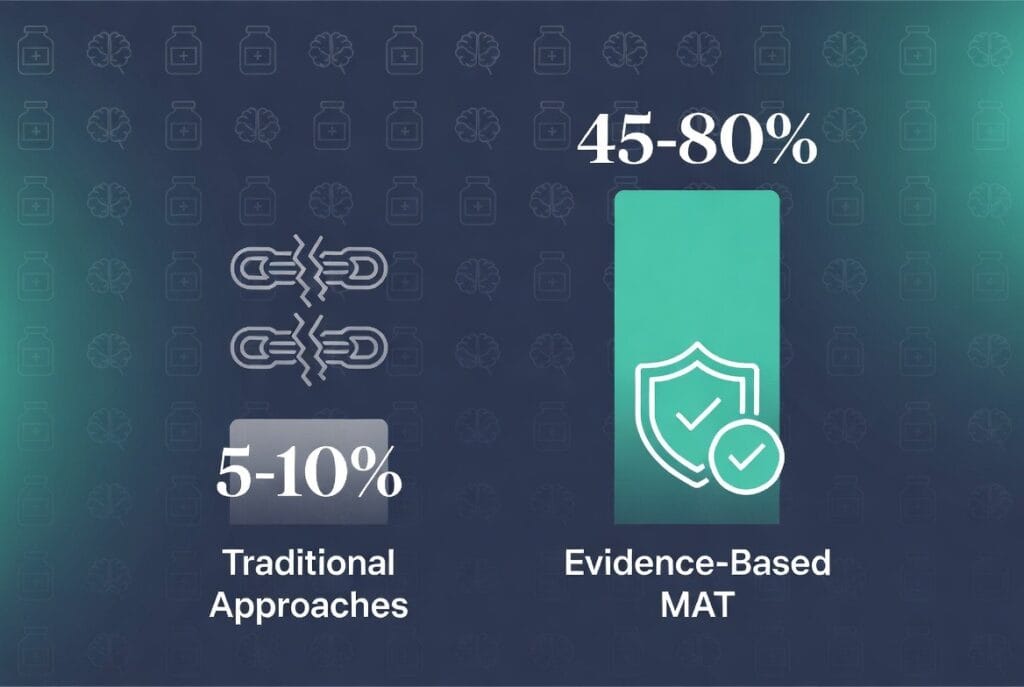
As more was learned about addiction, the development of a new treatment model, medication assisted treatment, became the gold standard of addiction treatment. Medication Assisted Treatment combines evidence-based medications along with the removal of addicted substances, ensuring the best patient experience for opioid use disorder or alcohol use disorder treatment. As part of a comprehensive care plan, the results show the highest success rate, which depending on addiction can run from 45-80%.
Medication assisted treatment can prevent overdose, create long term treatment plans, and reduce illicit opioid use. The integration of a comprehensive care model can create a long-term solution with a success rate of up to 80% as part of a full treatment plan, and a significant decrease in mortality rate. Hospitals and Residential Substance Use Disorder centers have largely moved to this model; the stigma of “replacing one drug with another” is an outdated concept and based on a misunderstanding of treatment.
Limits of Residential Treatment
Unfortunately, for this treatment to work successfully a trained and specialized integrated care team needs to be put in place. A psychiatrist or psychiatric nurse practitioner; a general practitioner; on site staff to oversee the patient; and someone consistently on call are the bare minimum. In addition, post discharge care for a client typically requires referrals, and psychiatrists often have long wait lists or are unavailable. Meanwhile, the creation of a coordinated care team can be impossible.
Teaming up with Telemedicine Experts
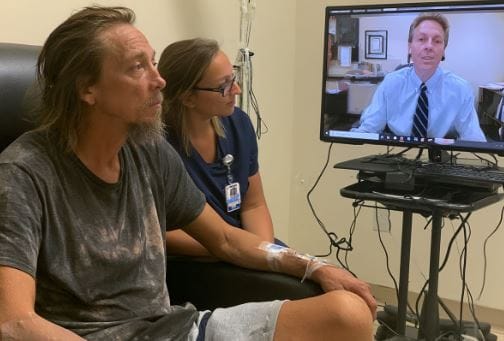
This lack of staffing is where telemedicine comes in, with experienced companies such as FasPsych being able to guide the way. Telemedicine is the use of two-way video conference to provide medical services by having the specialist speak to both the patients and other medical providers. They typically allow multiple parties on a call, ensuring everyone can coordinate follow up mental healthcare following treatment for an addiction-based illness.
Telemedicine, specifically telepsychiatry, can ensure that mental health professionals are able to see clients while they’re going through initial treatment; ensure they receive medications needed; and create a follow-up plan with appointments from home. The availability of providers familiar with medication assisted treatment ensures that an experienced psychiatrist or psychiatric nurse practitioner can take the case from beginning to end, often also being able to provide follow up appointments when the patient leaves the facility, creating continuity of care. A provider such as this will also enter information into the facility’s electronic health record, ensuring everyone has access should a change in treatment team needs to occur.
Creating a Working Solution
Whether you’re an administrator of a residential treatment center or a general practitioner, addiction is an increasing problem being seen in patients. Substance used disorder and alcohol use disorder is on the rise while at the same time the most successful treatment method is often ignored in favor of treatment methods that are almost a century old and based on outdated assumptions.
If you follow the facts and look at the evidence it’s clear medication assisted treatment is the gold standard, and whether you look at a third party staffing company such as FasPsych which can build an entire telemedicine platform or find your own team to support ongoing patient care, the key is a comprehensive team and follow up. The days of failure in treatment are over, and patients can see the significant improvements.