How to Clean Lederhosen: The Definitive Guide to Preserving Authentic Bavarian Leather Breeches
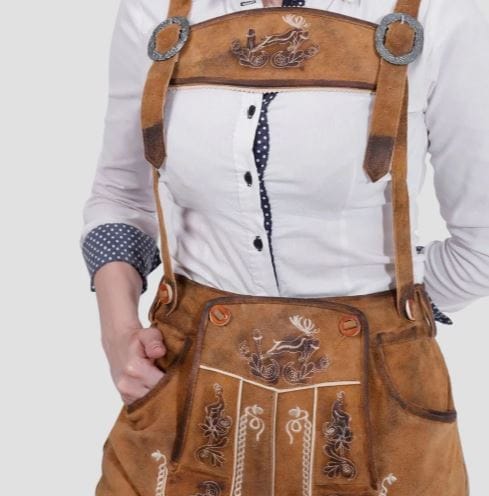
Lederhosen—traditional German leather breeches—are not merely costumes; they are durable, handcrafted garments designed to last decades. However, improper cleaning is the fastest way to turn a $300+ investment into a stiff, cracked, or discolored mess. Unlike cotton or denim, Lederhosen require a specialized approach that respects the tanning process, the natural oils, and the often-intricate embroidery.
In this guide, you will learn the exact, step-by-step methods to clean, condition, and store your Lederhosen—whether they are premium deerskin (hirschledern) or entry-level cowhide.
Why Conventional Cleaning Destroys Lederhosen
Before detailing the how, it is critical to understand the why not:
| Common Mistake | Resulting Damage | Repairable? |
|---|---|---|
| Machine washing | Leather fibers shrink and stiffen irreversibly; seams warp. | No |
| Dry cleaning (perc溶剂) | Strips natural tannins and oils; leather becomes brittle. | Rarely |
| Submerging in water | Waterlogging leads to mold, dye bleed, and permanent distortion. | No |
| Using saddle soap | Over-alkaline; removes protective wax finishes. | Partially |
| High heat drying | Shrinks leather like plastic; cracks the surface. | No |
Professional rule: Clean Lederhosen as little as possible, but correctly when necessary.
Step 1: Assess the Level of Soiling (The Spill Test)
Not all dirt is equal. Use this decision matrix before touching your garment.
| Soiling Level | Examples | Recommended Action |
|---|---|---|
| Light (Dust, pollen) | After one festival day, no spills | Brush only + airing |
| Moderate (Sweat, minor stains) | 2–3 wears, salt rings on inner lining | Spot cleaning + leather wipe |
| Heavy (Mud, beer, grease, grass) | Oktoberfest after rain, food accident | Full hand surface cleaning + conditioning |
| Biohazard (vomit, urine, blood) | Rare accident | Immediate professional leather specialist |
Never attempt to remove a stain by scrubbing—blot first.
Step 2: Tools and Solutions You Will Need
Do not improvise. Use only these proven materials:
| Tool | Purpose | Acceptable Alternatives |
|---|---|---|
| Soft horsehair brush | Dry dirt removal | Soft nylon brush (never stiff) |
| White microfiber cloths | Blotting and applying cleaners | Old cotton t-shirt (lint-free) |
| Lederfett (leather balm) | Conditioning after cleaning | Beeswax-based leather salve |
| Saddle soap (glycerin-based only) | Heavy stain spot treatment | Lexol leather cleaner |
| Distilled water | Diluting cleaners | Boiled cooled tap water |
| Wooden or plastic hanger | Drying | Flat drying rack (no metal) |
Avoid: Baby wipes, vinegar, baking soda, dish soap, or any alcohol-based product.
Step 3: The Step-by-Step Cleaning Protocol
Phase 1: Dry Cleaning (Always first)
- Turn Lederhosen inside out – protects embroidery and outer finish.
- Brush vigorously – use the horsehair brush along the leather grain (not circular). Focus on seams, waistband folds, and the front fly area. Brush away from your body to lift dust.
- Shake outdoors – remove loosened particles.
- Vacuum (optional) – use a brush attachment on low suction for the inner lining only.
Phase 2: Spot Cleaning (For localized stains)
| Stain Type | Solution | Technique |
|---|---|---|
| Beer / Wine | 50% distilled water + 50% white vinegar (test first) | Dab with cloth; never pour. Blot dry immediately. |
| Grease / Oil | Cornstarch or talc (unscented) | Sprinkle on stain, leave 2 hours, brush off. Repeat. |
| Mud | Let dry completely, then brush. No water. | After brushing, use a damp (not wet) cloth. |
| Salt (sweat rings) | 1 tbsp glycerin soap + 1 cup distilled water | Lightly dab, then wipe with clean damp cloth. |
Phase 3: Full Surface Cleaning (Only if absolutely necessary)
Warning: This resets the leather’s finish. Only perform once per year max.
Procedure:
- Mix 2 cups distilled water with 1 tsp of pH-neutral leather cleaner (e.g., Lexol).
- Dampen a microfiber cloth—wring until almost dry (leather should not become wet).
- Wipe one small section (e.g., thigh) in circular motions.
- Immediately wipe again with a clean, dry cloth.
- Let air dry for 2 hours away from sunlight or radiators.
- Apply Lederfett balm thinly. Let absorb overnight.
Step 4: Drying and Reconditioning Table
| Drying Method | Effect on Leather | Verdict |
|---|---|---|
| Room temperature (18–22°C) hanging | Slow, even moisture release | Ideal |
| Sunlight | UV bleaches color; heat hardens leather | Forbidden |
| Hairdryer / Heater | Rapid shrinkage and cracking | Forbidden |
| Laundry dryer | Complete destruction | Never |
| Stuffing with newspaper | Absorbs interior moisture; can de-saturate lining | Acceptable for 1 hour only |
After drying, Lederhosen will feel stiff. Recondition immediately using a beeswax-based leather balm. Apply sparingly to a cloth, then massage into leather. Wait 12 hours, then buff lightly.
Step 5: Long-Term Storage (Extends Life by Years)
| Storage Factor | Correct | Incorrect |
|---|---|---|
| Hanger | Wide wooden or padded hanger | Wire hanger (deforms shoulders) |
| Location | Cool, dark, dry closet (15–20°C, 50% humidity) | Basement (mold) or attic (heat) |
| Cover | Cotton garment bag | Plastic dry-cleaning bag (traps moisture) |
| Cedar blocks | Yes – repels moths and absorbs humidity | Mothballs (chemical residue) |
| Compression | Never stack heavy items on top | Stacking — breaks leather creases |
Pro tip: Once per year, before Oktoberfest season, apply a very thin coat of leather balm and let it absorb for 48 hours. This prevents drying cracks.
Comparison: DIY Cleaning vs. Professional Service
| Criteria | DIY (This Guide) | Professional Leather Cleaner |
|---|---|---|
| Cost | $15–30 (supplies) | $50–150 per pair |
| Time investment | 2–4 hours over 2 days | 5–7 days turnaround |
| Risk level | Low if instructions followed | Zero |
| Stain removal effectiveness | Good for light/moderate | Excellent (specialized solvents) |
| Deodorizing | Moderate (airing + balm) | High (ozone or enzyme treatment) |
| Best for | Routine maintenance, light soiling | Heavy soiling, mold, heirloom pieces |
Recommendation: Use DIY for annual cleaning. Send to a specialist every 3–5 years for deep restoration.
Frequently Asked Questions (Schema-ready)
Q: Can I put Lederhosen in the freezer to kill bacteria?
A: No. Freezing dehydrates leather fibers and causes micro-cracking. Use a leather-safe antimicrobial spray instead.
Q: How do I remove cigarette smoke smell?
A: Hang outdoors in shade for 24 hours. If persistent, place in a sealed bin with activated charcoal bags for 1 week (no direct contact).
Q: My Lederhosen got soaked in rain. What now?
A: Blot with towels, then stuff with dry newspaper. Change paper every 2 hours. Once surface-dry, apply leather balm generously.
Q: Are suede Lederhosen cleaned differently?
A: Yes. Never use balm. Use a suede eraser and brass brush only. For stains, send to a specialist.
Final Professional Verdict
Cleaning Lederhosen correctly is an act of preservation, not renovation. A well-maintained pair will outlive its owner, developing a desirable patina that cheap alternatives cannot replicate. Follow the matrix: brush > spot clean > condition > store. When in doubt, do less—over-cleaning is the #1 cause of premature failure.
Remember: Oktoberfest stains are badges of honor. Remove only what threatens the leather’s integrity.