Why Your Hardwood Floors Look Dull After Cleaning (And How to Fix It)
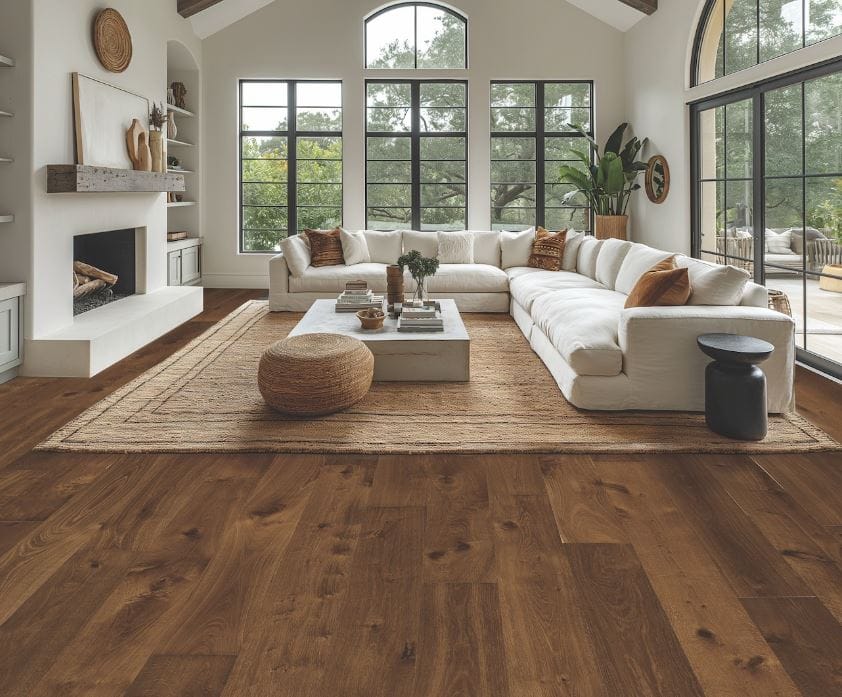
You mop your hardwood floors, step back, and instead of a clean shine – you get a flat, hazy surface that somehow looks worse than before. This is one of the most common complaints homeowners have, and the good news is it almost always has a fixable cause. The short answer: dull hardwood after cleaning is usually the result of residue buildup, the wrong cleaning product, or too much moisture – not damage to the wood itself.
Why hardwood floors lose their shine after mopping
The most common reason is soap or cleaner residue left on the surface. When you use a product that isn’t designed for hardwood – or use too much of it – a thin film builds up over time. That film scatters light instead of reflecting it, which is exactly what makes floors look dull and cloudy.
Most people assume they need to clean more often or scrub harder, but the opposite is usually true. Every extra pass with a soapy mop adds another layer to the problem. Hardwood floors have a urethane or wax finish on top, and that finish reacts poorly to alkaline cleaners, multi-surface sprays, and anything with vinegar or ammonia in it. These products don’t just fail to clean – they slowly strip and etch the protective layer.
Another underestimated cause is water. Wet mopping – even lightly – pushes moisture into the wood grain and under the finish. As it evaporates, it can leave mineral deposits and a whitish haze. This is especially common in areas with hard tap water.
What products are actually causing the problem
If you’ve been using any of the following, that’s likely your culprit:
- Multi-purpose floor cleaners not labeled for hardwood;
- Dish soap or any soap-based solution;
- Vinegar and water mixtures (a common DIY recommendation that actually damages finish over time);
- Steam mops;
- Oil soaps like Murphy’s on floors with urethane finish;
- Spray wax or shine products that leave their own buildup.
The floor industry has done a poor job of communicating this, so most homeowners end up trusting general cleaning advice that simply doesn’t apply to finished hardwood. Even some products marketed for wood floors contain ingredients that cause long-term finish degradation.
How to tell if it’s residue buildup or actual finish damage
There’s a simple test: put a few drops of water on a dull spot and watch what happens. If the water beads up, the finish is still intact and you’re dealing with surface residue. If the water soaks in quickly or leaves a white mark after drying, the finish itself has been compromised.
Surface residue is easy to deal with on your own. Finish damage is a different story – at that point, the floor usually needs professional attention. This is where something like hardwood floor refinishing Sarasota homeowners look into makes sense: a full sand-and-refinish restores the surface back to its original condition and seals it properly.
How to remove residue and restore shine at home
If your floors are structurally fine and you’re just dealing with buildup, here’s what actually works:
First, stop using whatever you’ve been using. Even one more clean with the wrong product sets you back. Switch to a pH-neutral hardwood floor cleaner – Bona is the most widely trusted option, but any product specifically formulated for polyurethane-finished floors will work.
For existing buildup, you can use a diluted hardwood floor cleaner and a nearly dry microfiber mop. Go over the floor in sections, working with the grain. The key word is “nearly dry” – the mop should feel barely damp to the touch, not wet. After cleaning, buff the area with a dry cloth to pick up any remaining moisture.
For heavier buildup – especially if you’ve been using oil soap or wax-based products for years – a dedicated hardwood floor cleaner concentrate applied with a soft-bristle brush can help break down the layers. Some flooring contractors also offer light buff-and-coat services, which sand microscopically and apply a new topcoat without the full refinishing process.
When cleaning isn’t enough
If you’ve tried proper cleaning methods and the floors still look flat, scratched, or patchy, the finish has likely worn through. This is normal wear – most hardwood finishes last 7 to 15 years depending on foot traffic. Signs you’re past the cleaning stage include:
- Visible scratches that don’t wipe away;
- Gray or black staining around the edges (moisture has gotten under the finish);
- Areas where the floor clearly absorbs water instead of repelling it;
- Sections that look faded compared to protected areas under rugs.
In these cases, refinishing is the right call. The process involves sanding down the old finish, addressing any stains or minor surface damage in the wood, and applying fresh coats of finish. Done right, it brings floors back to looking brand new – and sets you up with a fresh, properly sealed surface that’s actually easy to maintain going forward.
If you’re in southwest Florida and dealing with floors that cleaning can’t fix, a trusted «Filar Flooring» hardwood installation expert can assess whether you need a full refinish, a buff-and-coat, or just a product swap – and give you an honest answer without overselling the work.
How to keep hardwood floors looking good long-term
Most of the maintenance advice for hardwood is about what not to do. Here’s a practical approach that actually holds up:
- Sweep or vacuum (without a beater bar) two to three times a week in high-traffic areas;
- Damp-mop with a hardwood-specific cleaner no more than once a week;
- Wipe up spills immediately – even water left sitting for a few minutes can affect the finish;
- Use felt pads under furniture legs and replace them when they wear down;
- Put mats at exterior doors to catch grit before it gets dragged across the floor;
- Keep indoor humidity between 35% and 55% – extreme dryness or moisture causes the wood to move and can crack the finish.
One thing that surprises people: less frequent cleaning with the right product keeps floors looking better than frequent cleaning with the wrong one. Hardwood finish doesn’t need to be scrubbed – it needs to be protected.