The “Hidden Inventory” Checklist: What to Inspect Before Buying an Older Home
Introduction
Buying into an older home is like going back in time. They see beautiful handmade woodwork and classic design elements that are not present in today’s construction and that the home comes with as a package. But also behind that appeal are some that are unexpected and large repair issues that first-time buyers and investors may not see at first.
This is a role for what I would term a “structured hidden inventory” checklist, which in turn helps them to see beyond what is immediately apparent and notice what may be in the process of decline out of view.
The Appeal and Risk of Older Homes
In the past, which homes tended to do well with buyers were those that presented character, had established neighborhoods, and had larger lots. As time went on, however, many of the systems in these homes became outdated and approached the end of their useful life.
In the case of older homes, which may have had several renovations over the years, sometimes without proper documentation or professional supervision. Thus, a very careful inspection is of great importance before you commit financial resources.
Plumbing: The System You Don’t See but Always Feel
In older homes a large issue is outdated plumbing. Many properties that were built in the 1950s and before came with galvanized steel or cast iron pipes that have a tendency to corrode, to develop rust, and to see a drop in water pressure.
Key red flags include the following:
- Discolored or metallic-tasting water
- Low water pressure in multiple fixtures
- Frequent leaks or pipe repairs
- Visible signs of corrosion in basements and at sinks
Replacing plumbing systems is a costly issue; also, by ignoring it, you are at risk of water damage, mold growth, and structural failure.
Electrical Systems: Hidden Fire and Safety Risks
In the past it was not the practice to design electrical systems for the power demands of today. With the introduction of modern appliances, HVAC, and electronics, issues in older homes are those which the electrical systems have difficulty with.
Common concerns include:
- Knob-and-tube or aluminum wiring
- Frequently tripped breakers
- Flickering lights or inconsistent power supply
- Lack of grounded outlets
An out-of-date electrical system is a problem more than just an inconvenience; it is an issue of safety that may cause fires. When doing the upgrade, you may have to rewire sections or, in some cases, the whole home, which should be included in your investment decision.
Foundation: The Silent Indicator of Structural Health
Foundation issues, which are the most expensive to fix, are also often very subtle in the early stages of development. In older homes some settlement over the years is to be expected, but in large quantities it is not.
Warning signs include:
- Diagonal cracks in walls or ceilings
- Uneven or sloping floors
- Doors and windows that don’t fit right
- Gaps between walls and flooring
Soil shifts, poor design in the structure’s build-out, or water flow issues may cause foundation instability. If any of these symptoms are seen, a structural engineer’s evaluation is recommended.
Exterior Integrity: First Line of Defense Against Long-Term Damage
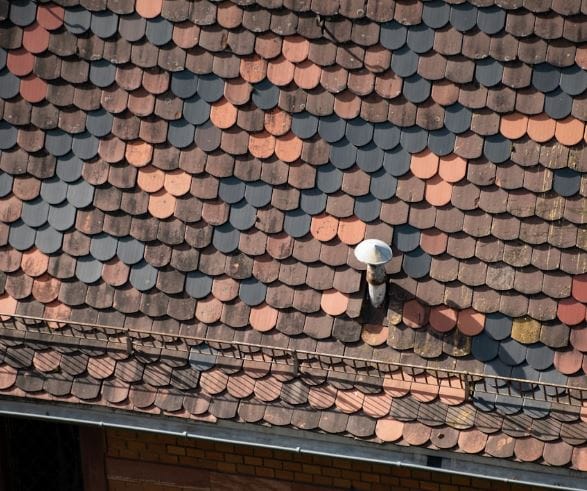
In many cases a home’s exterior is a matter of look but also of it being a protective layer against the weather, moisture, and environmental wear. In older homes it is seen that materials that include siding, brick mortar, and roofing systems have degenerated in ways that may not be at first notice.
This is particular in the case of roofing systems. With age some roofs may present with unseen issues, such as internal leaks, underlayment that has broken down, or flashing that has weakened, which may not be apparent from the ground. Although a home inspector will note the obvious issues, often they do not report on the extent of wear to the roof or structural damage.
This is what you want to do when hiring a specialized roofing contractor for a certified inspection. A professional roofer is trained to see issues that general inspections do not. In many cases this in-between inspection will find things that may allow buyers to go back and renegotiate the price or ask for repairs before the close of the deal, which in turn may save thousands in unexpected future costs.
For instance, by working with a leader in the field, like at the top-rated roofing company in Lincoln, which is via shieldroofrepair .com, a more in-depth assessment of roof integrity is seen. These very specialized inspections go beyond the surface-level checks and present a better picture of what is to come for the long-term maintenance, which in turn helps buyers to make informed decisions with confidence.
HVAC Systems: Efficiency and Replacement Costs
In many cases older homes’ heating and cooling systems perform below par. They may still work but do so at the expense of greater energy use as compared to current systems.
Key indicators of HVAC issues include:
- Uneven heating or cooling between rooms
- Loud or unusual system noises
- Frequent need for repairs
- Units older than 15–20 years
Replacing HVAC systems is a large investment, but it also greatly improves comfort and energy efficiency.
Insulation and Energy Efficiency: The Hidden Cost Factor
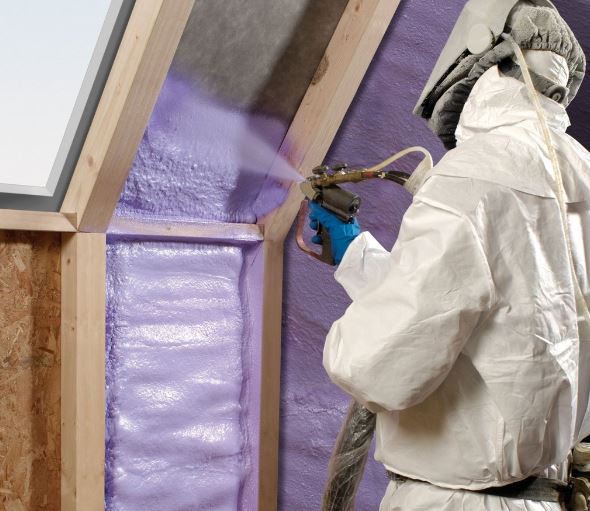
Many a home from past eras was built before modern insulating standards. Thus, in winter larger than normal utility bills are seen, and in summer the issue is excessive heat gain.
Areas to evaluate include the following:
- Attic insulation thickness and condition
- In older buildings that had little to no wall insulation
- Drafts around windows and doors
Improving the insulation of a home also does the fact that an increase in its value over time is noticed.
Final Thoughts: Knowledge Is Your Strongest Investment Tool
Buying into an older home is more than a transaction; it is a journey of discovery. Although these homes do present that unique charm and character you are after, they also may be hiding large-scale issues.
A structured approach to home inspection allows separation of what is aesthetic from what is structural. By in-depth evaluation of plumbing, electrical issues, foundation health, exterior structure, and HVAC performance, the true cost of ownership is seen.
Surely don’t count on just general inspections. For critical systems that include the roof, which is looked at in detail, special reports can bring to light issues that were not known and in turn protect investment and also give the upper hand at the negotiation table.
In the right hands with a good checklist and expert guidance, old homes may be turned from a financial risk into a great long-term asset.