Practical Ways to Build a Calm, Stress-Reducing Living Space at Home
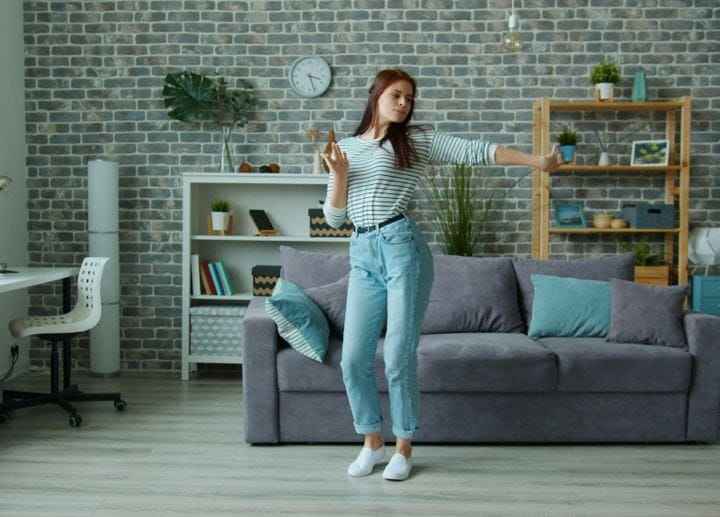
Creating a calm living space is less about dramatic redesigns and more about thoughtful adjustments that support how you feel and function each day. As modern life becomes increasingly fast-paced and digitally saturated, the home has taken on a more important role as a place to reset, recharge, and regain a sense of balance. This shift has led many people to rethink how their environment influences stress levels, focus, and overall well-being.
A stress-reducing space doesn’t require perfection or minimalism. Instead, it’s about shaping an environment that feels supportive, predictable, and comfortable. From lighting and layout to materials and sensory elements, even small changes can have a meaningful impact on how a space is experienced over time.
Designing Layouts That Encourage Mental Ease
The way a space is arranged can significantly influence how it feels. Cluttered or overly crowded layouts tend to create visual noise, which can contribute to a sense of overwhelm. On the other hand, open and intentional layouts allow for easier movement and a clearer mental state.
Creating defined zones within a home, whether for rest, work, or relaxation, helps establish boundaries that reduce stress. When each area has a purpose, it becomes easier to transition between activities without carrying mental tension from one task into another. This sense of structure supports a calmer and more balanced daily rhythm.
Incorporating Sensory Elements That Promote Relaxation
A calm space engages more than just visual design. Sound, scent, and texture all contribute to how an environment is perceived. Subtle background sounds, such as soft music or white noise, can help reduce distractions, while calming scents create associations with relaxation and comfort.
In routines that focus on unwinding, Koi CBD’s delta 8 gummies fit naturally into a broader approach to relaxation, where the goal is to create a consistent transition from activity to rest. When paired with a supportive environment, these elements contribute to a more complete and intentional relaxation experience.
Choosing Materials That Support Comfort and Warmth
Materials play a subtle but powerful role in shaping how a space feels. Natural textures such as wood, cotton, or stone tend to create a sense of warmth and grounding, while overly synthetic or reflective surfaces can feel more stimulating and less relaxing.
In environments where comfort is a priority, details matter. Surfaces that feel soft, breathable, and tactile can make a noticeable difference in how a space is experienced. Options like https://www.plapro.com/ align with approaches that prioritize durability while maintaining a comfortable and supportive atmosphere within the home.
Lighting as a Tool for Regulating Mood
Lighting has a direct impact on mood and energy levels. Harsh, bright lighting can increase tension, while softer, warmer tones tend to promote relaxation. The ability to adjust lighting throughout the day helps align the environment with natural rhythms, supporting both productivity and rest.
Layered lighting, combining ambient, task, and accent sources, allows for greater control over how a space feels at different times. Dimmable lights, lamps, and indirect lighting can all contribute to a more adaptable and calming atmosphere, reducing the stark contrasts that often create visual strain.
Reducing Digital Clutter and Visual Distractions
Photo by Vitaly Gariev on Unsplash
Modern homes are often filled with digital devices that can contribute to constant stimulation. Screens, notifications, and visual clutter can make it difficult to fully disconnect, even in spaces meant for rest. Reducing the presence of these distractions can significantly improve the sense of calm within a home.
Simple adjustments, such as designating device-free areas or limiting screen visibility, help create clearer mental boundaries. By reducing unnecessary input, the environment becomes more aligned with rest and recovery, making it easier to unwind at the end of the day.
Creating Consistency Through Daily Habits and Environment
A calming space is not just about design, it is also shaped by how it is used. Consistent habits reinforce the purpose of a space, turning it into an environment that supports relaxation naturally. Small rituals, such as dimming lights in the evening or maintaining a tidy layout, contribute to a sense of predictability and control.
Over time, these patterns strengthen the connection between environment and behavior. A well-designed space, combined with consistent habits, creates a foundation for reduced stress and improved well-being, allowing the home to function as a reliable place of comfort and balance.