How to Clean a Reverse Osmosis System: A Step-by-Step Technical Guide
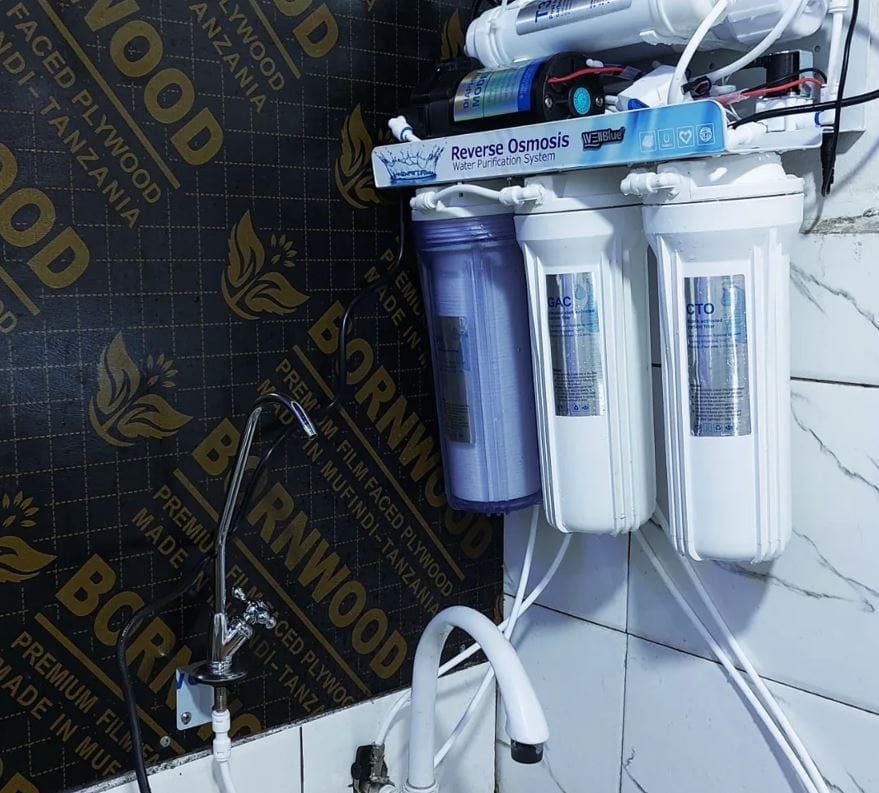
A reverse osmosis (RO) system is a high-precision water filtration investment. However, even the best membranes and prefilters succumb to biofouling, sediment accumulation, and scale crystallization over time. Regular cleaning—distinct from routine filter changes—restores flow rate, rejection rate, and water quality.
This guide provides a validated procedure for cleaning an RO system, including chemical safety protocols and performance benchmarking.
When to Clean vs. When to Replace Components
Before initiating a clean, differentiate between consumable filter replacement and membrane cleaning.
| Parameter | Clean Membrane | Replace Pre/Post Filters | Replace Membrane |
|---|---|---|---|
| Frequency | Every 6–12 months | Every 3–6 months | Every 24–36 months |
| TDS rejection | 85–92% (restored) | No effect | <80% (new >96%) |
| Flow rate | Reduced by 30–40% | Normal but sediment clogged | Reduced by >50% |
| Visible fouling | Slimy or scaly membrane surface | Brown/black sediment block | Hard crystalline crust |
Key rule: Do not clean disposable sediment or carbon block filters. Replace them. Cleaning applies only to the RO membrane and the system housing.
Tools and Cleaning Agents Required
| Item | Specification | Purpose |
|---|---|---|
| RO membrane cleaning tank | 5–10 gal, food-grade plastic | Circulate cleaning solution |
| Low-pressure pump | <60 psi, non-corrosive | Recirculation without damaging membrane |
| pH test strips | Range 2–12 | Monitor solution pH |
| Alkaline cleaner | Sodium hydroxide (pH 11–12) | Remove biofilms, organic matter |
| Acid cleaner | Citric or hydrochloric acid (pH 2–3) | Remove metal oxides, calcium scale |
| RO permeate or DI water | 0 TDS | Rinse and solution make-up |
Warning: Never use tap water for cleaning solution. Dissolved minerals will precipitate inside the membrane.
Step-by-Step Cleaning Procedure
Step 1: System Isolation and Depressurization
- Close the feed water ball valve.
- Open the RO faucet and drain the storage tank completely.
- Shut off the automatic shut-off valve (ASV).
- Remove all pre-filters (sediment + carbon block) and install empty filter housings.
Step 2: Prepare Alkaline Clean (First Pass – Organic Fouling)
Mix a 0.1–0.2% sodium hydroxide solution using RO permeate. Target pH 11.5.
| Volume of permeate | Sodium hydroxide (100% basis) |
|---|---|
| 4 liters (1 gal) | 4–8 grams |
| 20 liters (5 gal) | 20–40 grams |
- Fill cleaning tank, set recirculation pump to low pressure (40 psi).
- Circulate solution through the membrane housing (feed to concentrate direction) for 30 minutes.
- Allow to soak for 1 hour (heavy biofouling: overnight).
- Discard solution.
Step 3: Acid Clean (Second Pass – Scale Removal)
Prepare 0.2–0.5% citric acid solution. Target pH 2.5.
| Volume of permeate | Citric acid (anhydrous) |
|---|---|
| 4 liters (1 gal) | 8–20 grams |
| 20 liters (5 gal) | 40–100 grams |
- Circulate at 40 psi for 20–30 minutes. Do not exceed 45 psi – acidic solutions can weaken membrane seams at high pressure.
- Observe pH. If pH rises above 3.5 during circulation, add more acid.
- Soak for 30 minutes, then recirculate 10 minutes.
- Drain and discard.
Step 4: Rinse and Reassemble
- Flush the membrane housing with RO permeate for 15 minutes (low pressure, concentrate valve fully open).
- Reinstall new sediment and carbon block pre-filters.
- Reconnect system, open feed water, and flush the membrane for 20–30 minutes with product water diverted to drain.
Step 5: Validate Performance
Measure and record three key metrics after cleaning:
| Metric | Acceptable after cleaning | Action if out of range |
|---|---|---|
| TDS rejection | >92% (if membrane <2 years old) | Repeat acid wash or replace membrane |
| Permeate flow | 85% of original spec | Increase cleaning time; check pump pressure |
| Pressure drop (ΔP feed-concentrate) | <30% over clean baseline | Clean again or inspect brine spacer damage |
Cleaning Frequency Comparison by Feed Water Quality
| Feed water type | Expected fouling | Cleaning interval | Preferred cleaner |
|---|---|---|---|
| Municipal chlorinated low-TDS | Low (biofilm slow) | 12 months | Alkaline only |
| Well water (high iron) | Moderate (iron oxide) | 6 months | Acid + alkaline |
| Surface water (lake/river) | High (organic + colloids) | 3–4 months | Alkaline (enzyme-assisted) |
| Treated wastewater reuse | Very high (biological + scaling) | 6–8 weeks | Alkaline + disinfectant (DBNPA) |
Common Mistakes That Damage RO Membranes
| Mistake | Consequence | Prevention |
|---|---|---|
| Using tap water for cleaning solution | Permanent scale deposition inside membrane | Always use RO permeate or DI water |
| Cleaning at >60 psi | Membrane telescoping or delamination | Regulate pump with bypass valve |
| Mixing acid and alkaline residues | Exothermic reaction, membrane hydrolysis | Flush with permeate between cleaning steps |
| Exceeding pH 12 or pH 1.5 | Permanent membrane oxidation | Use pH meter; never use bleach or strong mineral acids |
Final Maintenance Checklist
- Log cleaning date, solution pH, and circulation times.
- Test product water TDS 24 hours after cleaning.
- Sanitize storage tank and faucet annually (5 ppm chlorine rinse – rinse thoroughly before membrane reconnection).
- Replace pre-filters every 3 months regardless of appearance – they protect the membrane from cleaning-induced debris.
When Professional Cleaning Is Required
If after two chemical clean cycles you observe:
- TDS rejection <80%
- Flow rate <50% of original
- Visible delamination or membrane cracking
Replace the membrane element. For large commercial RO systems (≥500 GPD), contract a certified membrane cleaning service to perform offline membrane autopsies and specialized clean-in-place (CIP) procedures.