Best Flowers for Home Decor That Suit Every Space
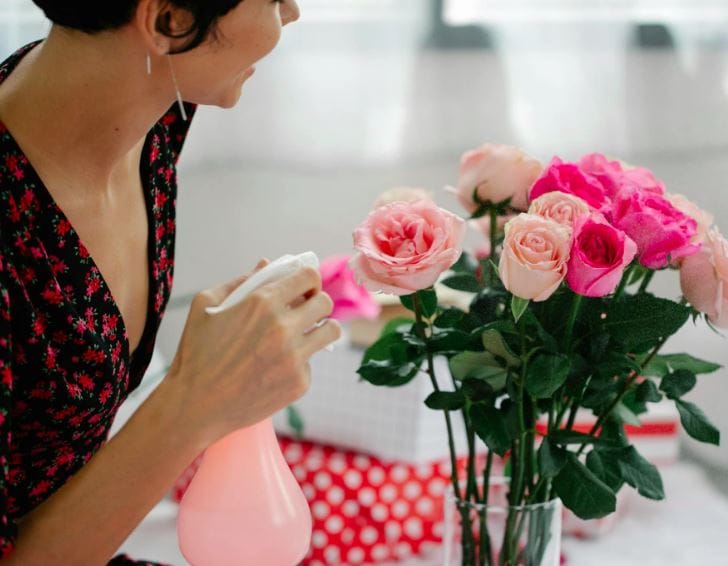
Flowers have always had a place in the home, not as decoration alone, but as part of how a space feels. A simple arrangement on a table can soften a room, add structure, or introduce color where it is needed without changing anything else.
When choosing flowers for home decor, the decision is not only about appearance. It also depends on how long they last, how much care they require, and how well they fit into the overall style of the space. Fresh flowers offer a natural, changing element, while dried and preserved options provide a more stable and long-lasting solution.
This guide looks at the best flowers for home decor from a practical point of view. It covers different types of flowers, where they work best, and how to use them in a way that feels natural rather than forced. Whether the goal is to add a small detail or define a room, the right choice can make a noticeable difference.
Why Flowers Are Essential in Home Decor
Flowers bring a natural element into the home that is difficult to replace with other decorative pieces. Even a small arrangement can change how a space feels, making it more balanced and complete without adding visual weight.
One of the main reasons flowers work well in interiors is their ability to introduce color in a controlled way. Unlike larger decor changes, flowers allow you to adjust tones and accents without committing to permanent elements. This makes them useful in both neutral spaces that need contrast and in more colorful rooms that benefit from subtle variation.
They also add texture. Soft petals, structured stems, and organic shapes help break up flat surfaces such as tables, shelves, and countertops. This creates depth and prevents a space from feeling too rigid or uniform.
Beyond appearance, flowers influence the atmosphere. Fresh arrangements can make a room feel more open and lived-in, while long-lasting options such as preserved or dried flowers provide consistency without the need for regular replacement. This balance between visual appeal and practicality is what makes flowers a reliable part of home decor rather than a temporary addition.
Best Flowers for Home Decor (Top Choices)
Choosing the right flowers for home decor comes down to balance. Some flowers work as subtle accents, while others act as focal points. The options below are commonly used in interior spaces because they combine visual appeal with practical use.
Roses – Classic and Versatile
Roses remain one of the most adaptable choices for home decor. Their structured shape makes them suitable for both modern and traditional interiors. Lighter tones such as white or blush work well in calm, neutral spaces, while deeper colors can add contrast and draw attention. They are often used as centerpieces or as a single arrangement that anchors a room.
Orchids – Minimal and Elegant
Orchids are commonly used in modern interiors because of their clean lines and controlled appearance. They do not take up much visual space, which makes them suitable for shelves, desks, and bathrooms. Their long-lasting blooms also make them a practical option for those who want a consistent look over time.
Lilies – Bold and Fragrant
Lilies are more expressive than most flowers used indoors. Their size and shape naturally draw attention, which makes them suitable for larger rooms where a stronger visual element is needed. They are often placed in living rooms or entryways where they can stand out without overwhelming the space.
Hydrangeas – Full and Decorative
Hydrangeas are known for their volume. A single arrangement can fill space without needing additional elements. They work well on dining tables, coffee tables, or larger surfaces where a fuller look is preferred. Their soft shape helps balance sharper furniture lines.
Peonies – Soft and Refined
Peonies are often associated with more refined interiors. Their layered petals create a softer appearance, which works well in bedrooms or spaces designed to feel calm and comfortable. They are typically used in smaller arrangements where detail is more important than size.
Tulips – Clean and Contemporary
Tulips are a simple option that fits well into contemporary spaces. Their straight stems and smooth shape make them easy to arrange, even in small numbers. They are often used in kitchens or workspaces where a light, uncluttered look is preferred.
Chrysanthemums – Long-Lasting Color
Chrysanthemums are a practical choice for indoor use. They last longer than many other fresh flowers and come in a wide range of colors. This makes them suitable for areas where you want to maintain a consistent decorative element without frequent replacement.
Sunflowers – Bright and Energetic
Sunflowers bring a stronger sense of warmth into a space. Their bold color works best in rooms that benefit from contrast, such as kitchens or more casual living areas. They are often used to create a relaxed and welcoming atmosphere rather than a formal one.
Each of these flowers serves a different purpose in home decor. Some are better suited for subtle accents, while others help define the space. The choice depends on the overall style of the home and how much attention you want the arrangement to attract.
Best Low-Maintenance Flowers for Home Decor
Not every space is suited for fresh flowers that require regular care and replacement. In many cases, low-maintenance options provide a more practical solution, especially for busy households or areas where consistency is important. These alternatives focus on long-lasting appearance with minimal effort.
Preserved Forever Roses
Preserved roses are real flowers that have been treated to maintain their appearance over an extended period. Unlike fresh arrangements, they do not require watering or sunlight, and they keep their shape and color for months or even years.
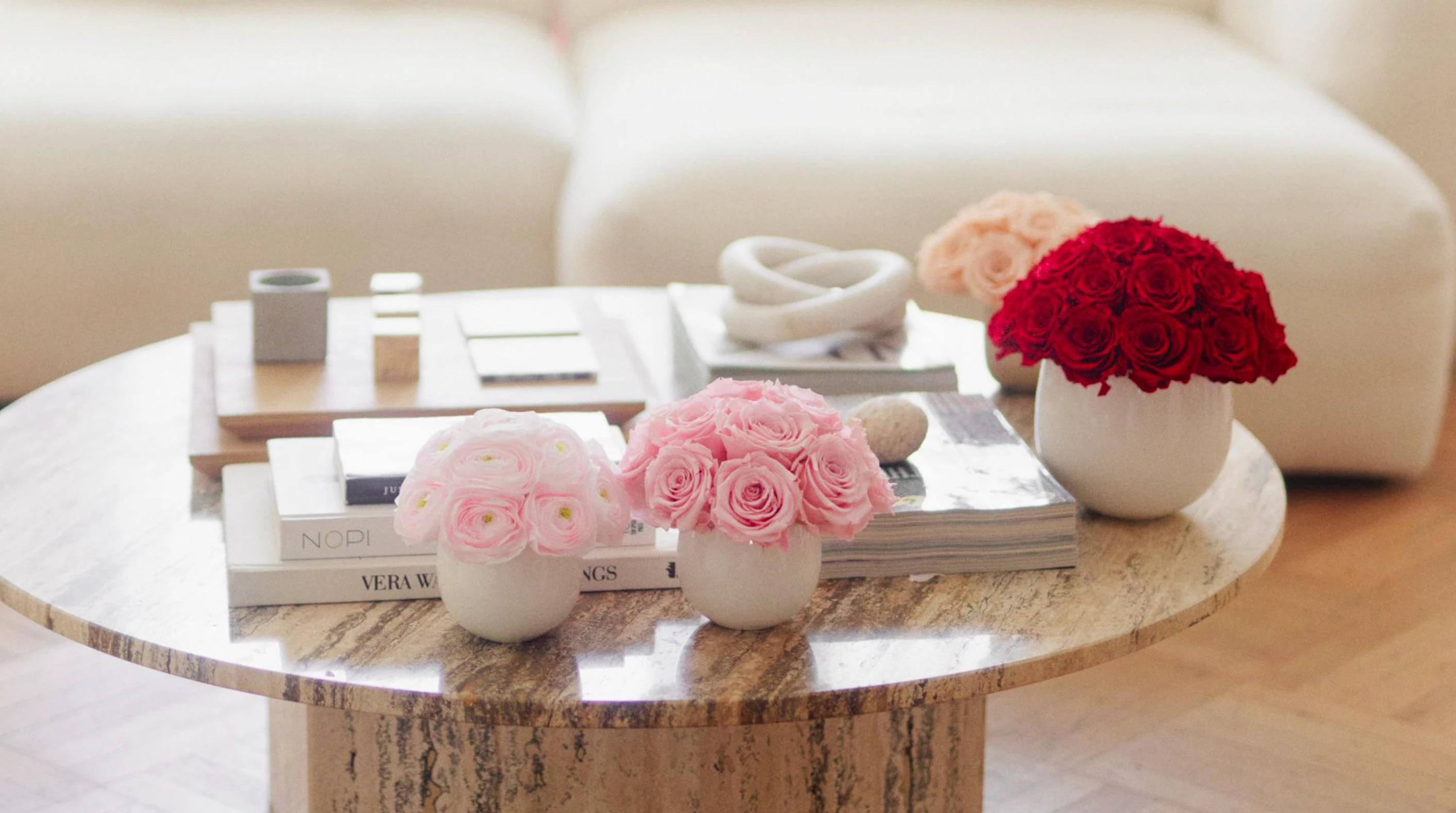
They work well in spaces where you want a stable decorative element that does not change over time. This makes them suitable for coffee tables, shelves, and bedrooms, where consistency is often preferred over frequent updates.
For those who prefer a long-lasting floral element that keeps its shape and color over time, preserved arrangements can be a practical choice. Some collections focus on carefully designed pieces that remain consistent without ongoing care. Forever Roses by Ode offers a thoughtfully curated selection of preserved forever roses that work well in a range of interior styles.
Dried Flowers
Dried flowers have become more common in modern interiors, especially in neutral or minimalist spaces. Their muted tones and textured appearance make them easy to combine with different materials such as wood, linen, and stone.
They require very little care, but they are more fragile than other options and can collect dust over time. Because of this, they are best placed in areas that are not frequently handled.
Artificial Flowers
Artificial flowers provide complete control over appearance. They do not fade, wilt, or require any maintenance, which makes them suitable for spaces where real flowers are not practical.
Modern artificial arrangements can look realistic when chosen carefully, especially in simple designs. They are often used in offices, bathrooms, or areas with limited natural light where fresh flowers may not last long.
Low-maintenance flowers are not only a practical choice, but also a design decision. They allow you to maintain a consistent look in your home without regular effort, while still benefiting from the visual impact that flowers provide.
How to Choose Flowers Based on Interior Style
Flowers work best when they follow the logic of the space rather than stand apart from it. The same arrangement can feel appropriate in one room and out of place in another, depending on materials, colors, and overall structure. Choosing flowers based on interior style helps maintain balance and avoids unnecessary contrast.
Minimalist Interiors
Minimalist spaces benefit from restraint. Instead of large or complex arrangements, a single type of flower with a clean shape works better. Orchids, white roses, or even a single stem in a simple vase can complement the space without adding clutter. The focus should remain on form and proportion rather than volume.
Rustic and Boho Style
Rustic and boho interiors rely more on texture and natural variation. Dried flowers, wildflowers, and less structured arrangements fit naturally into these spaces. The goal is not precision, but a relaxed and slightly uneven look that reflects the materials used in the room, such as wood, linen, or woven elements.
Luxury Interiors
In more refined interiors, flowers are often used as a focal point. Fuller arrangements, such as peonies, hydrangeas, or structured rose designs, work well here. The emphasis is on density, symmetry, and a polished appearance. Containers also play an important role, often matching materials like glass, marble, or metal.
Modern Spaces
Modern interiors sit between minimal and expressive. Flowers in these spaces often follow a limited color palette, sometimes even monochrome. Simple arrangements with clear shapes work best, avoiding overly decorative styles. The aim is to support the design of the space without drawing too much attention.
Choosing flowers with the interior style in mind creates a more cohesive result. Instead of acting as a separate decorative element, the arrangement becomes part of the space, supporting its structure, colors, and overall atmosphere.
Best Flowers for Each Room in Your Home
Flowers do not need to be used the same way in every part of the home. Each room has a different purpose, and the arrangement should reflect that. Placement, size, and type of flowers all influence how natural the result feels within the space.
Living Room
The living room is usually the most open and visible space, which makes it suitable for larger or more structured arrangements. Flowers such as hydrangeas, lilies, or roses can act as a central element on a coffee table or console. The goal is to create a focal point that complements the furniture without overwhelming it.
Bedroom
In the bedroom, flowers should support a calm and balanced atmosphere. Softer varieties such as roses or peonies work well in smaller arrangements placed on bedside tables or dressers. Strong fragrances or overly bright colors are best avoided, as they can disrupt the sense of rest.
Kitchen
Kitchens benefit from smaller, practical arrangements. Tulips or simple seasonal flowers placed on a counter or dining surface can make the space feel more active and lived-in. The arrangement should not take up too much space, especially in areas used for preparation.
Bathroom
Flowers in the bathroom are usually minimal and carefully placed. Orchids or small arrangements work well because they do not require much space and fit the clean, simple structure of the room. In some cases, a single stem or a small floating arrangement can add a subtle detail without cluttering the area.
Using flowers in different rooms requires small adjustments rather than major changes. When the size, type, and placement match the purpose of the room, the result feels consistent and intentional rather than decorative for its own sake.
Creative Ways to Decorate with Flowers
Flowers do not need to be limited to standard vase arrangements. Small changes in placement and presentation can make them feel more integrated into the space, rather than added as a final detail. The ideas below focus on simple ways to use flowers without overcomplicating the setup.
Centerpieces for Tables: A well-placed centerpiece can define a table without taking over the space. Lower arrangements tend to work better, especially on dining tables, as they do not block visibility. Choosing one type of flower or a limited color palette helps keep the arrangement controlled and easy to maintain.
Hanging Flower Displays: Hanging arrangements introduce a different dimension by using vertical space. These can range from simple dried bundles to more structured installations. They are particularly useful in rooms where surface space is limited, or where you want to draw attention upward.
Small Accent Bouquets: Instead of one large arrangement, several smaller bouquets can be placed throughout a room. This approach creates continuity without relying on a single focal point. It works well in larger spaces where one arrangement would feel insufficient.
Floating Flower Bowls: Floating flowers offer a simple alternative to traditional arrangements. A bowl of water with a few blooms can create a clean and calm effect, especially in bathrooms or entryways. This method works best with flowers that have a defined shape, such as roses or camellias.
Creative use of flowers is less about complexity and more about placement. When arrangements are adapted to the space, they feel intentional and natural, rather than decorative elements added without purpose.
How to Keep Decorative Flowers Looking Fresh Longer
Flowers last longer when a few basic conditions are managed properly. Small adjustments in care, placement, and maintenance can extend their appearance and reduce the need for frequent replacement.
Water Care Tips: Fresh flowers depend on clean water and properly prepared stems. Water should be changed every one to two days to prevent bacteria from building up. Before placing flowers in a vase, stems should be trimmed at an angle to improve water absorption. Removing any leaves that sit below the water line also helps keep the arrangement clean and extends its lifespan.
Placement (Light and Heat): Where flowers are placed has a direct impact on how long they last. Most fresh arrangements should be kept away from direct sunlight, radiators, and heat sources, as these can cause them to dry out more quickly. A cooler area with indirect light is usually the most stable environment.
It is also helpful to avoid placing flowers near fruit, as some fruits release gases that can speed up the aging process of the blooms.
Cleaning and Maintenance: Regular maintenance keeps arrangements looking consistent. Wilted flowers should be removed as soon as they start to decline, as they can affect the rest of the bouquet. Vases should be cleaned between uses to prevent residue buildup.
For dried or preserved flowers, maintenance is simpler. They should be kept away from moisture and handled carefully to avoid damage. Light dusting from time to time is usually enough to maintain their appearance.
With a few simple habits, decorative flowers can remain presentable for much longer. Proper care not only extends their lifespan but also helps maintain the overall look of the space without constant replacement.
Final Thoughts on Choosing the Best Flowers for Home Decor
Choosing the right flowers for home decor is less about following trends and more about understanding how each option fits into your space. The most effective arrangements are those that feel natural in their setting, whether they add a subtle detail or serve as a focal point.
Fresh flowers bring variation and a sense of movement, while dried and preserved options offer stability and long-term consistency. The choice between them depends on how much time you want to spend on upkeep and how often you prefer to change the look of your space.
It is also worth considering placement and scale. A well-chosen arrangement, even a small one, can have more impact than a larger display that does not fit the room. When flowers align with the style, colors, and purpose of the space, they become part of the overall composition rather than an added element.
In the end, flowers work best when they are used with intention. A simple, well-placed arrangement is often enough to bring balance, texture, and a sense of completeness to the home.