How Often to Clean a Salt Cell for Maximum Efficiency
Meta Description: Wondering how often to clean your pool salt cell? Discover the recommended cleaning frequency, key signs of buildup, and a step-by-step guide to keep your salt chlorinator running efficiently for years.
If you own a saltwater pool, you know the joy of soft water and reduced red eyes. However, the “heart” of your sanitation system—the salt cell (also called a chlorinator cell)—requires regular attention to keep your pool sparkling. One of the most common questions pool owners ask is: How often should I clean my salt cell?
Clean it too often, and you risk damaging the delicate coating on the plates. Clean it too seldom, and your pool won’t generate enough chlorine. This guide cuts through the confusion, providing a clear schedule and expert tips to optimize performance and extend the life of your expensive equipment.
Why Cleaning Frequency Matters
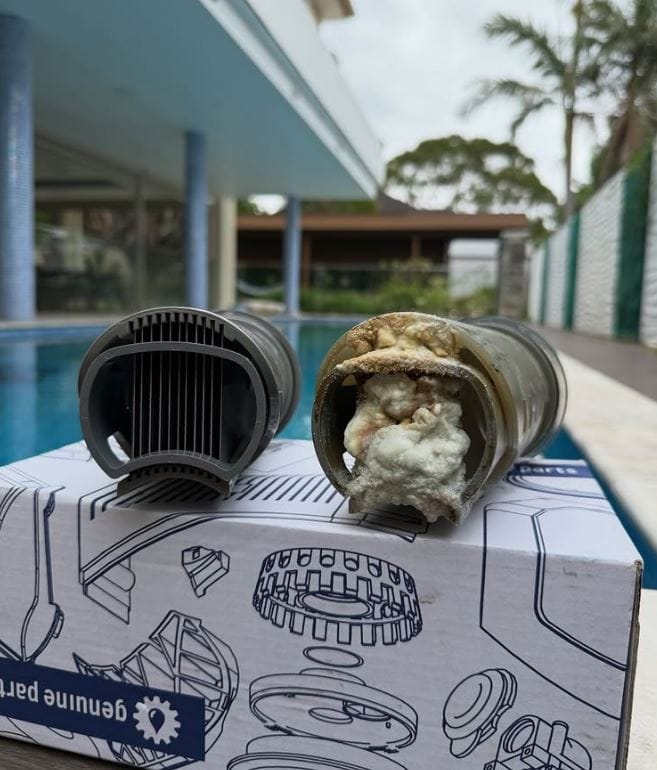
Before diving into the calendar, it helps to understand what happens inside the cell. As the salt cell uses electrolysis to convert salt into chlorine, it leaves behind mineral deposits—primarily calcium scale. This looks like white, flaky, or crusty buildup on the metal plates .
If left unchecked, this scale acts as an insulator, leading to:
- Reduced Chlorine Production: The salt water can’t make contact with the plates.
- System Strain: The generator works harder to push electricity through the buildup.
- Error Codes: Many systems will flash a “clean cell” or “inspect cell” warning.
- Premature Failure: Excessive buildup can cause the cell to burn out long before its expected 3–7 year lifespan .
The General Rule: Every 3 Months (or 500 Hours)
So, how often to clean? The consensus among pool professionals points to a standard schedule: every three months or every 500 hours of operation .
For most seasonal pool owners, this translates to about two to three times per year . A common practice is to clean it at the beginning of the season (spring opening) and again at the end of the season (before winter closing) .
However, this is a baseline. Your specific circumstances might require more frequent attention.
Factors That Increase Cleaning Frequency
If any of the following apply to your pool, you may need to clean your cell every 6 to 8 weeks instead of every 12 weeks .
Signs Your Salt Cell Needs Immediate Cleaning
Beyond the calendar, your pool and equipment will give you clear signals that it’s time for a cleaning. Don’t ignore these signs :
- Visible White Buildup: If you look into the cell (with the power off) and see white flakes or crust on the plates, it’s time to clean.
- Low Chlorine Alerts: Your test strips show low chlorine, but the control panel says the salt level is fine.
- “Inspect Cell” or “Clean Cell” Light: Most modern systems (like Hayward AquaRite) have a timer that flashes a warning light every 500 hours as a reminder .
- Reduced Water Flow: Severe scaling can physically narrow the opening inside the cell, restricting water flow.
- Floating Scale in Pool: If you see tiny white flakes floating in the pool water, your cell is shedding scale because it is oversaturated—it definitely needs cleaning.
Cleaning Methods: Acid Wash vs. Commercial Cleaners
Once you’ve determined it’s time to clean, you have two primary options. Here is a comparison to help you decide.
Quick Cleaning Tips (Safety First!)
If you choose the DIY route with muriatic acid, remember these critical steps :
- Power Down: Turn off power to the pump and chlorinator at the breaker.
- Gear Up: Always wear gloves and safety goggles.
- Add Acid to Water: Never pour water into acid; always add acid to water to prevent a violent reaction.
- Short Soak: Soak for only 5 to 15 minutes. If the buildup is heavy, drain the acid, rinse, and do a second short soak rather than one long soak.
- Never Chip: Do not use screwdrivers or sharp tools to scrape the plates; this removes the precious ruthenium or iridium coating and voids the warranty .
Prevention: The Best Way to Reduce Cleaning Frequency
The best way to manage cleaning frequency is to reduce the need for it. A clean salt cell is a direct result of balanced water chemistry.
- Monitor Calcium Hardness: Keep it between 200–400 ppm. If it creeps toward 500 ppm, scale is inevitable .
- Control pH: Salt cells naturally cause pH to rise. Test twice a week and add muriatic acid as needed to keep pH in the 7.2–7.6 range .
- Weekly Visual Checks: You don’t need to remove the cell. Just look through the clear housing (if you have one) or remove the union to peek inside once a month to catch buildup early .
Frequently Asked Questions
Q: Can I clean my salt cell too often?
A: Yes. Cleaning with acid should only be done when scale is present. If you clean a perfectly clean cell with acid, you are unnecessarily wearing down the protective coating on the plates. If the cell looks clean, just rinse it with a hose and reinstall it .
Q: What happens if I don’t clean my salt cell?
A: Eventually, the scale will bridge the gap between the plates, causing the system to short out. This can blow fuses or permanently destroy the cell, requiring a costly replacement .
Q: How long does a salt cell last?
A: With proper cleaning and balanced water, a high-quality salt cell should last between 3 and 7 years .
Summary
So, how often to clean your salt cell? Stick to the quarterly schedule (every 3 months) as your baseline. Adjust this based on your water hardness and pool usage, and always pay attention to your equipment’s warning lights. By combining a routine schedule with proactive chemistry management, you’ll ensure your pool stays clean and your equipment lasts as long as possible.
Need a visual guide? Check out manufacturer videos for cleaning your specific model, or visit your local pool supply store for commercial cleaning solutions designed to make this task safer and easier.