How to Clean and Seal Pavers Like a Pro
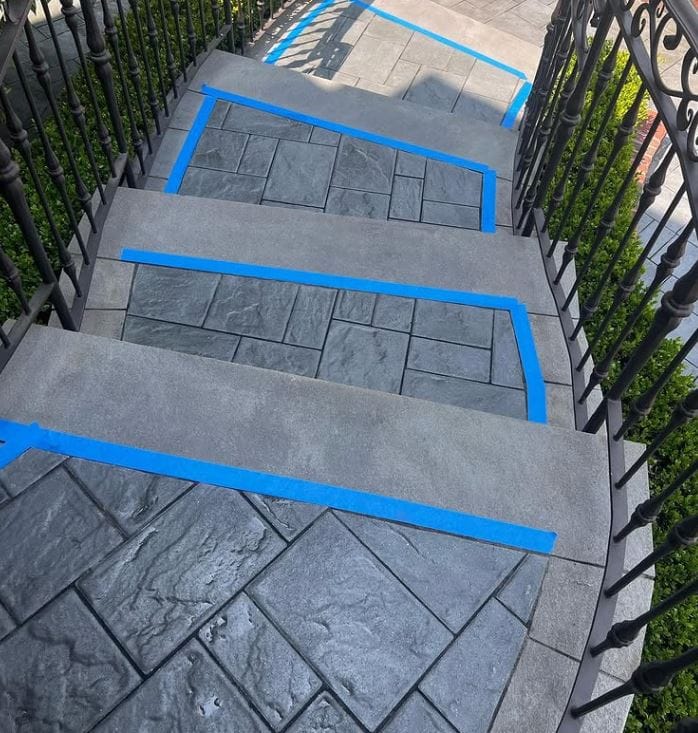
Your driveway, patio, or walkway is often the first thing people notice about your home. Over time, however, exposure to sun, rain, and daily traffic can leave your pavers looking dull, stained, or choked with weeds. Learning how to clean and seal pavers is the best investment you can make to restore their beauty and extend their lifespan by decades .
This guide provides a structural, step-by-step approach to doing it right. We will cover everything from choosing the correct pressure washer settings to selecting the best sealer for your specific needs, helping you avoid the common pitfalls that lead to hazy finishes or joint failure.
Phase 1: Preparation and Assessment
Before you even turn on a hose, you need to diagnose the situation. Not all pavers are the same, and using the wrong technique can cause permanent damage.
The “Tri-Factor” Assessment
Professionals often conduct a pre-work diagnostic to determine the paver’s condition :
- Material Density: Is it high-density concrete, soft clay brick, or delicate natural stone like travertine?
- Joint Integrity: How much sand has eroded from between the pavers?
- Contaminants: Are you dealing with organic growth (algae/moss), oil stains, or efflorescence (white, chalky salt deposits)?
Cleaning Schedule Overview
Phase 2: The Cleaning Process
Cleaning is the most critical phase. If the surface isn’t perfectly prepared, the sealer will fail.
Step 1: Surface Cleaning and Weed Removal
Start by clearing the area of furniture and potted plants. Use a string trimmer to edge the borders and a screwdriver or weeding tool to manually remove any deep-rooted weeds or moss from the joints .
Step 2: Safe Pressure Washing
The goal of pressure washing is to clean the surface, not destroy the joints. High pressure will blast the sand out from between the pavers, leading to instability.
- Nozzle Selection: Always use a 25 or 40-degree fan tip. Never use a zero-degree turbo nozzle, as it will erode the paver face and joints .
- Pressure Settings:
Step 3: Stain Removal
Match the cleaner to the stain for the best results .
| Stain Type | Recommended Cleaner | Application Tip |
|---|---|---|
| Oil / Grease | Degreaser or enzymatic cleaner | Apply, let dwell, scrub with stiff brush, rinse. |
| Algae / Moss | Sodium hypochlorite (bleach) or vinegar mix | Spray on, let sit, then pressure wash gently. |
| Rust | Oxalic acid-based rust remover | Apply carefully, neutralize with water after. |
| Efflorescence | Mild acid-based paver prep | May require multiple treatments if persistent. |
Phase 3: The Drying Phase (Crucial)
This is where most DIY projects go wrong.
You must let the pavers dry completely.
Even if the surface feels dry, the base and joints may still hold moisture. Trapping this moisture under sealer causes “blushing,” a milky white haze that ruins the finish .
- Drying Time: Aim for at least 24 to 48 hours of dry weather with no rain in the forecast .
- The Plastic Test: Tape a square of plastic sheeting to the pavers overnight. If condensation forms underneath by morning, they are not dry enough to seal .
Phase 4: Joint Sand Installation
Before sealing, you must ensure the joints are full. This stabilizes the pavers and prevents weed growth.
- Standard Sand: Washes out easily; requires frequent top-ups.
- Polymeric Sand: Contains binders that harden when activated with water, creating a weed-proof and ant-proof barrier. This is the “gold standard” for modern paver maintenance .
Phase 5: Sealing the Pavers
Now for the final step. Choosing the right sealer depends on the look you want and the type of pavers you have.
Comparison of Paver Sealer Types
Application Technique
- Choose Your Tool: For large areas, a sprayer is efficient. For smaller patios, a foam roller works well .
- Spray and Back-Roll: Spray the sealer onto the pavers and immediately go over it with a roller. This ensures even distribution and pushes the sealer into the pores .
- Thin Coats: Apply two thin coats rather than one heavy coat. Heavy coats can bubble or peel .
- Curing: Allow 24-48 hours of cure time before walking on the surface and at least 72 hours before driving on it .
Common Mistakes to Avoid
Even with the best intentions, small errors can lead to big problems. Here is what to watch out for :
- ❌ Skipping the Clean: Sealing over dirt traps the grime underneath.
- ❌ Sealing Wet Pavers: Leads to permanent white haze (blushing).
- ❌ Over-Application: Thick layers of sealer are sticky, peel easily, and look plastic-y.
- ❌ Wrong Weather: Sealing in direct sun (above 75°F / 24°C) causes the sealer to dry too fast, leading to streaks. Sealing before rain washes the product away .
- ❌ Using Rock Salt in Winter: Rock salt can corrode and pit sealed pavers. Use Calcium Magnesium Acetate (CMA) instead .
Conclusion
Learning how to clean and seal pavers is a process of patience and precision. By following this structural guide—clean thoroughly, let it dry completely, stabilize the joints, and apply thin, even coats of the right sealer—you can protect your outdoor investment for years to come.
The Water Bead Test:
To know when it’s time to reseal, simply pour a glass of water onto your pavers. If the water soaks in and turns the stone dark, your sealer has worn off. If it beads up on the surface, your protection is still intact.