The Definitive Guide: How to Clean Scleral Lenses for Crystal Clear Vision and Eye Health
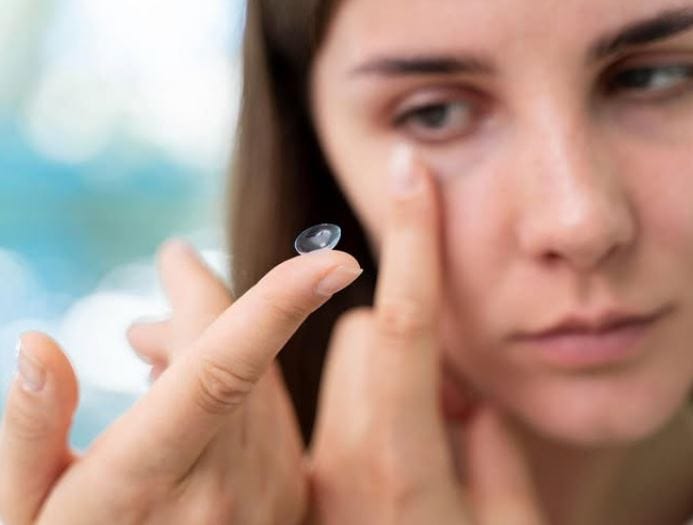
Scleral lenses are medical marvels. They provide life-changing vision and comfort for those with keratoconus, severe dry eye, and irregular corneas by vaulting over the sensitive cornea and resting on the sclera (the white of the eye) . However, their larger size and design mean they act like magnets for proteins, lipids, and debris. Proper cleaning is non-negotiable—not just for comfort, but to prevent severe eye infections.
If you are new to scleral lenses or struggling with foggy vision, this guide will walk you through the exact steps, solutions, and tools required to keep your lenses (and eyes) in peak condition.
Why Scleral Lens Hygiene Requires Extra Vigilance
Unlike soft contact lenses, scleral lenses create a fluid reservoir between the lens and your cornea. While this is great for comfort, any bacteria or contaminant introduced during handling gets trapped against your eye for the entire wear period . Neglecting your cleaning routine can lead to:
- Blurry or Foggy Vision: Protein buildup clouds the lens.
- Giant Papillary Conjunctivitis (GPC): Bumps form on the inside of your eyelids due to deposits.
- Microbial Keratitis: A serious corneal infection .
To avoid this, you need a consistent routine involving cleaning, rinsing, and disinfecting.
Step 1: Preparation (Do Not Skip This!)
Before you touch your lenses, set yourself up for success to avoid scratches or contamination.
- Wash Your Hands: Use a mild, fragrance-free soap. Avoid soaps with oils, moisturizers, or aloe, as they can leave a film on the lenses that causes blurriness. Dry your hands with a lint-free towel to prevent fibers from sticking to the lenses .
- Create a Clean Workspace: Work at a clean, flat, and well-lit surface. Place a clean towel on the counter. If you drop a lens, it will land on the towel rather than a hard surface, reducing the risk of cracking or scratching .
Step 2: The “Rub and Rinse” Cleaning Method
Even if you use a “no-rub” solution, rubbing is essential for scleral lenses. Imagine using hand sanitizer without washing your hands—it doesn’t remove the dirt, just the germs. The same applies to lenses .
- Place the lens in your palm.
- Apply Cleaning Solution: Apply a few drops of a recommended cleaning solution (see table below) to the lens.
- Rub Gently: Use your fingertip to rub the lens in a circular motion against your palm for about 20 seconds. Ensure you clean the entire surface, including the edges. This physically lifts lipids and protein .
- Rinse Thoroughly: After rubbing, thoroughly rinse the lens with preservative-free sterile saline or the rinsing solution specified by your doctor. This removes the loosened debris and the cleaning agent itself .
Step 3: The Disinfection Debate: Peroxide vs. Multi-Purpose
After cleaning, your lenses must be stored in a disinfecting solution for several hours (usually 6+ hours) to kill harmful microorganisms . Never store scleral lenses in pure saline, as saline is not a disinfectant .
Here is a comparison of the two primary methods to help you understand the options discussed by doctors .
Comparison: Hydrogen Peroxide vs. Multi-Purpose Solutions
Step 4: Final Rinse and Insertion
Once the disinfection cycle is complete, you are ready to wear your lenses. Never insert a lens directly from the disinfecting solution (whether MPS or Peroxide) without rinsing.
- Rinse with Preservative-Free Saline Only: Fill the bowl of the scleral lens with preservative-free saline (like Addipak, ScleralFil, or Nutrifill) .
- Inspect: Hold the lens up to the light. Look for any specks of dust or bubbles in the saline filling the bowl. If you see debris, empty it and rinse again .
Comparing Cleaning Solutions and Saline
Choosing the right liquid is confusing but critical. Here is a breakdown of the different types of products and their specific roles .
The 3 “Never” Rules of Scleral Lens Care
To keep your eyes safe, there are three hard rules you must never break:
- Never Use Tap Water: Water contains Acanthamoeba, a microscopic organism that can cause a devastating, difficult-to-treat eye infection. Tap water should never touch your lenses or case .
- Never Top Off Solution: Always use fresh solution in your case each night. “Topping off” old solution dilutes the disinfectant and breeds bacteria .
- Never Use Saline for Storage: Saline lacks the disinfecting power to keep your lenses safe overnight. It is only for rinsing and filling .
Maintaining Your Accessories: Cases and Plungers
Your lens accessories can become breeding grounds for bacteria if ignored.
- Lens Case: Clean your lens case every week by rinsing it with sterile saline (never tap water) and letting it air dry upside down on a clean tissue. Replace the case every 1 to 3 months .
- Plungers/Insertion Tools: Wash your plungers with soap and water (since they don’t go in your eye, tap water is acceptable here, but soap is key), rinse thoroughly, and allow them to air dry. Replace them if the rubber becomes sticky or degraded .
When to See Your Doctor
Even with perfect cleaning, you need professional oversight. Schedule an appointment with your eye care practitioner if:
- Your vision remains foggy even after deep cleaning.
- You see “white stuff” on the lens that won’t rub off—this may be etched deposits .
- You experience persistent redness, pain, or light sensitivity.
- It has been over a year since your last check-up; scleral lenses typically need replacement every 1 to 2 years .
Conclusion
Cleaning scleral lenses is a precise process, but mastering it ensures comfortable wear, sharp vision, and healthy eyes. By sticking to a daily routine of rubbing, disinfecting, and rinsing with the correct solutions, you protect your investment in your vision . Always follow the specific guidance of your eye care doctor, as they know your eyes and your specific lens coating best.