How to Clean Battery Acid Off Concrete: The Complete Step-by-Step Guide
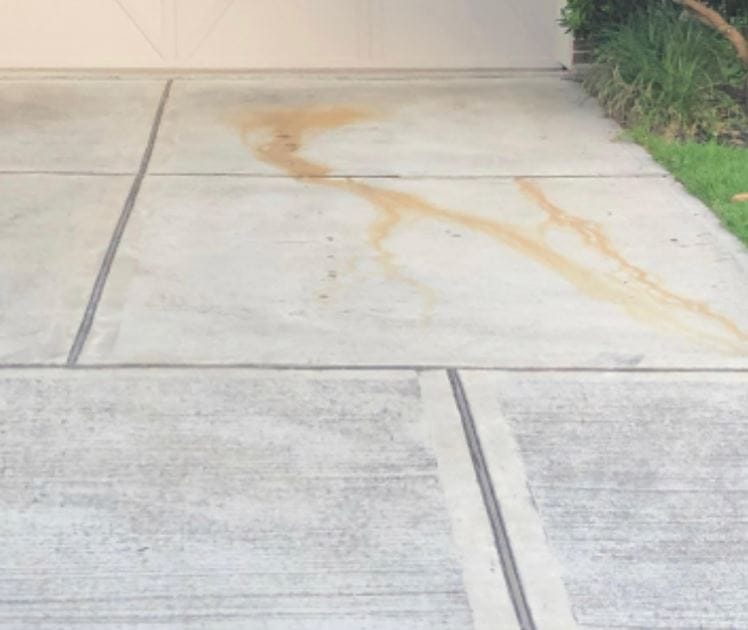
Battery acid spills on concrete are more than just an eyesore—they’re a chemical hazard that continues damaging your floor until properly neutralized. Whether it’s a leaking car battery in the garage, a forklift battery in a warehouse, or even a small household battery, the acidic residue etches concrete and creates permanent stains if handled incorrectly.
This guide compares all effective methods, explains exactly why they work, and gives you a clear decision framework based on your specific situation.
Why Battery Acid Damages Concrete (And Why Water Isn’t Enough)
Concrete is highly alkaline (pH ~12-13). Battery acid (sulfuric acid) is extremely acidic (pH <1). When they meet:
- Neutralization reaction occurs, producing water and sulfate salts
- Efflorescence (white powdery residue) appears as salts migrate to the surface
- Etching happens if the acid remains active—concrete surface becomes rough, pitted, and weakened
Simply rinsing with water removes surface liquid but does not neutralize acid trapped in porous concrete.
Critical Safety Preparation
Do not skip these steps. Dry acid powder or concentrated liquid can cause chemical burns and release hydrogen gas.
| Equipment | Purpose |
|---|---|
| Heavy rubber gloves | Prevents chemical burns |
| Safety goggles | Splash protection |
| Long sleeves/pants | Skin protection |
| N95 mask (optional) | If dealing with dry/crusted spill |
| Baking soda or industrial neutralizer | On hand BEFORE you start |
| Plastic scraper | For lifted/crusted deposits |
| Shop vacuum | For liquid removal |
✅ First step: Contain the spill. Stop any active dripping from the battery.
Method Comparison: At a Glance
| Method | Best For | Effectiveness | Cost | Effort Level |
|---|---|---|---|---|
| Baking soda paste | Fresh spills, small areas | ⭐⭐⭐⭐ | $ | Low |
| Washing soda | Heavy stains, garage floors | ⭐⭐⭐⭐ | $ | Low |
| Commercial neutralizer | Industrial/warehouse | ⭐⭐⭐⭐⭐ | $$ | Low |
| Coca-Cola/cola | Emergency/only option | ⭐⭐ | $ | Medium |
| Trisodium phosphate (TSP) | Old, set-in stains | ⭐⭐⭐⭐ | $$ | High |
| Muriatic acid | Rarely recommended | ⭐ (safety F) | $$ | Very high |
Method 1: Baking Soda (Best for Most Home Situations)
Baking soda is a weak base that neutralizes sulfuric acid safely without generating excessive heat or dangerous fumes.
Step-by-step:
- Remove excess liquid
Soak up standing acid with absorbent material (kitty litter, baking soda itself, or paper towels). Dispose in sealed bag. - Sprinkle generously
Cover entire spill area + 6-inch border with baking soda. - Add water
Lightly mist to form a thick paste. Do not flood—you want contact time. - Watch for fizzing
This indicates neutralization. Let it work for 15–30 minutes. Reapply if fizzing continues. - Scrub
Use stiff nylon brush to work paste into concrete pores. - Rinse and dry
Flush with water, vacuum or squeegee dry. Inspect for remaining residue.
Result: Neutral acid, minimal etching, white residue easily removed.
Method 2: Washing Soda (Sodium Carbonate)
Stronger alkali than baking soda. Faster reaction, better for set-in grease + acid combo stains (common in garages).
Procedure identical to Method 1, but wear gloves—washing soda is more caustic to skin.
Verdict: Superior to baking soda for older, dirty concrete. Slightly more aggressive.
Method 3: Commercial Acid Neutralizers
Products like Spill-X-A, Neutrasorb, or industrial spill kits contain pH indicators that change color when neutralization is complete.
Advantage: No guesswork. Turns purple/yellow when safe.
Disadvantage: Higher cost, but often unnecessary for household jobs.
Method 4: The “Emergency Only” Option—Coca-Cola
Phosphoric acid in cola can help lift rust-colored battery stains, but it does not neutralize sulfuric acid—it adds more acid. Use only if:
- You have zero baking soda or cleaner available
- You rinse immediately and thoroughly afterward
- You follow up with a neutralizing step
Not recommended for etched concrete or active battery fluid.
How to Remove White Stains After Neutralization
Even after neutralizing, white efflorescence or salt deposits remain. These are harmless but unsightly.
Removal options:
| Method | Instructions |
|---|---|
| Wire brush | Dry scrub, vacuum dust |
| White vinegar (diluted) | Lightly acidify to dissolve salts—rinse immediately |
| Pressure washer | 1500–2000 PSI, 12” nozzle distance |
| Muriatic acid (last resort) | 10:1 water:acid, neutralize immediately after—risk of over-etching |
What NOT to Do (Seriously)
| Mistake | Consequence |
|---|---|
| Bleach | Does not neutralize acid; toxic chlorine gas |
| Ammonia | Violent reaction with acid |
| Sealing over stain | Traps acid under sealer—concrete continues deteriorating |
| Power washing before neutralizing | Spreads acid into wider area |
| Dry sweeping | Aerosolizes acid dust |
When to Call a Professional
- Spill area exceeds 10 square feet
- Acid has pooled and penetrated >24 hours
- Concrete is structural (load-bearing floor) with visible pitting
- Battery is industrial (forklift, telecom, solar bank) with lead contamination risk
How to Prevent Future Spills
- Battery mats – Absorbent pads specifically for under-battery placement
- Terminal protectors – Felt rings soaked in acid neutralizer
- Secondary containment – Plastic tub under batteries stored indoors
- Regular inspection – Corroded terminals indicate leakage risk
Summary: Best Approach by Scenario
| Scenario | Recommended Method |
|---|---|
| Fresh car battery spill (today) | Baking soda paste |
| Old white stain, no active acid | Wire brush + pressure wash |
| Warehouse forklift area | Commercial neutralizer with pH indicator |
| Concrete about to be sealed | TSP cleaning after neutralization |
| Kid spilled battery from toy | Baking soda—immediate |
Final takeaway: Speed and neutralization are everything. Baking soda works. Water alone does not. You don’t need harsh chemicals—you need the right chemistry.