How to Design a Basement That Does Not Feel Like a Basement
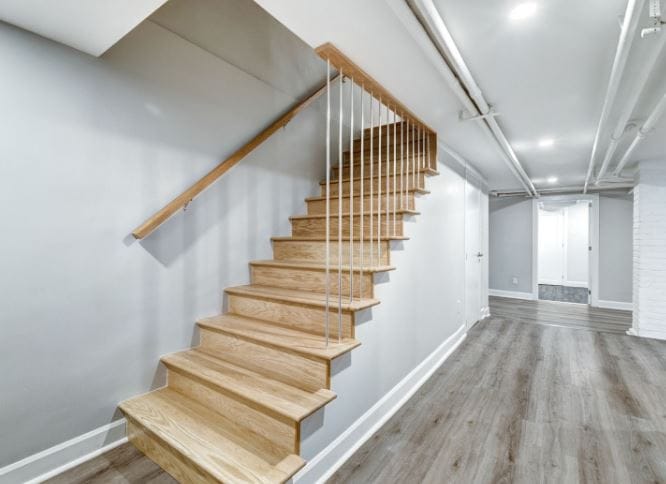
Basements get a reputation for feeling dark, cold, and disconnected from the rest of the home.
Low ceilings. Limited windows. Concrete floors.
But a well-designed basement can feel just as inviting as your main living space. In many homes, it becomes the most comfortable room in the house.
If you are planning basement development in Edmonton, thoughtful design choices will make all the difference.
Here is how to create a lower level that feels warm, bright, and intentional.
1. Maximize Natural Light Wherever Possible
Light changes everything.
If your basement allows for larger windows that meet egress requirements, upgrading them can instantly open up the space. Even modest window expansions make rooms feel less confined.
When natural light is limited, layer artificial lighting strategically:
Recessed ceiling lights for even brightness
Wall sconces to reduce shadows
Floor lamps to create warmth
Under cabinet lighting in bars or storage areas
Soft white bulbs usually create a more welcoming feel than cooler tones.
2. Choose Flooring That Adds Warmth
Cold floors are one of the main reasons basements feel unfinished.
Skip bare concrete and consider:
Luxury vinyl plank with insulated underlayment
Engineered flooring designed for below-grade spaces
Carpet tiles with moisture-resistant backing
Moisture control is essential in basement spaces. The Canada Mortgage and Housing Corporation provides guidance on preventing basement dampness and improving insulation here:
https://www.cmhc-schl.gc.ca/en/consumers/home-renovation
When your floors feel warm underfoot, the entire space feels more comfortable.
3. Keep the Layout Open
Small enclosed rooms can make a basement feel tight and separated.
Instead, aim for:
Open concept living areas
Glass or partial partitions instead of full walls
Multipurpose spaces that evolve over time
Clear sightlines from one end of the basement to the other
Open layouts allow light to travel further and create a natural flow.
4. Use Light Colors Strategically
Dark finishes can make ceilings feel lower and walls feel closer.
Lighter paint tones reflect available light and make the room feel larger. Soft whites, warm greys, and light neutrals work especially well in lower levels.
If you want contrast, add it through furniture or decor instead of large surface areas like ceilings or walls.
5. Design With Ceiling Height in Mind
Basements rarely have soaring ceilings, so every design choice should protect visual height.
Consider:
Slim recessed lighting
Drywall ceilings instead of bulky drop ceilings
Carefully planned soffits that feel integrated
Vertical wall paneling to draw the eye upward
Even small adjustments can create a more open feel.
6. Plan for Comfort, Not Just Square Footage
Basements feel different because they sit below grade. Comfort matters more here than anywhere else.
Think about:
Proper insulation
Quiet HVAC airflow
Soundproofing between floors
Humidity control
If you are researching basement development edmonton, look for professionals who understand local climate conditions and moisture management. Edmonton’s seasonal shifts make insulation and vapor protection especially important.
Comfort is what turns a basement from usable space into favorite space.
7. Make It Feel Connected to the Main Floor
A basement should feel like an extension of your home, not an afterthought.
Use:
Similar flooring tones
Complementary paint colors
Consistent trim styles
Matching hardware finishes
Carrying design elements downward helps create visual continuity.
A Basement That Feels Like Home
A basement does not have to feel like a basement.
With thoughtful lighting, warm materials, open layouts, and climate-aware planning, your lower level can feel just as welcoming as any room upstairs.
Design intentionally. Focus on comfort. Think about flow.
When those elements align, your basement becomes part of your home’s story, not just the space underneath it.