How Commercial Roofing Supports Long-term Property Care
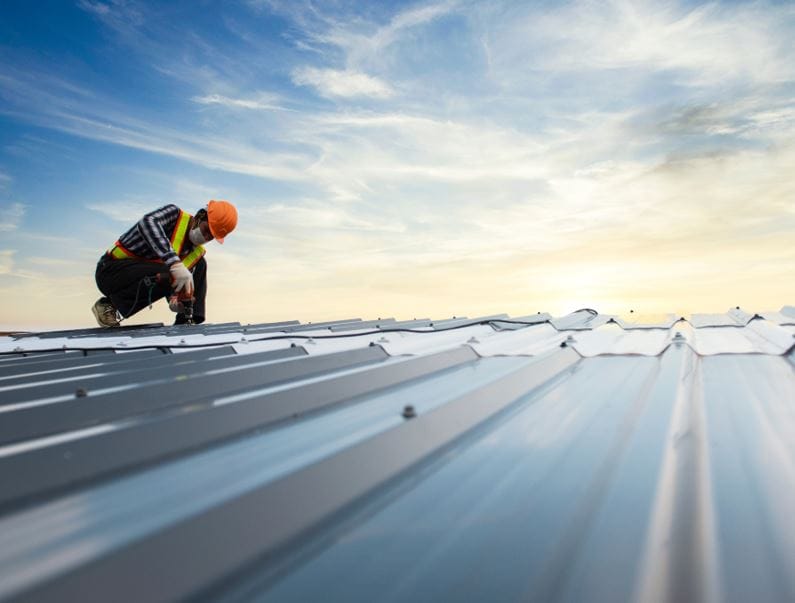
Long-term property care means making decisions that will last through everyday use, bad weather, and changing business needs. Commercial roofing is a key part of this stability and security, even though some people don’t notice it. People don’t always appreciate roofs because problems don’t show up until harm happens.
Roof condition affects how well it uses energy, how comfortable the tenants are, and how often repair needs to be done. While it’s not the only determinant in property performance, it helps maintain operational consistency. When it’s treated as a long-term responsibility instead of a short-term cost, it helps create continuity across years of ownership.
Read on to see how commercial roofing helps keep your property in good shape over time.
Reducing Maintenance and Repair Costs Over Time
Leaks, structural damage, and early wear are less likely to happen if you choose the right roofing material and have a professional install it. Repairs and maintenance that are planned ahead of time cause less trouble and last longer.
Here are some important factors that help keep costs low and performance consistent over time:
Fewer emergency repairs
Some quality commercial roofing materials, like TPO, EPDM, and metal panels, are known to prevent leaks, punctures, and structural problems. But it’s also important to install these materials correctly. Leaks and structural problems can stop a business from running and hurt goods or equipment inside. They can damage inventory, raw materials, and production equipment.
To properly install commercial roofing, you must understand how the material behaves, how much weight it can support, how efficiently it drains, and how the local weather affects it. Working with experienced pros like commercial roofing contractors Madison or local providers ensures that roof repairs and replacement address fundamental concerns rather than temporary solutions. Skilled teams advise on warranty compliance, preventing unexpected costs.
Predictable maintenance cycles
Pay attention to your budget and plan your time well. You can take control of your roof instead of letting it cause you stress if you have a structured repair plan. Formal maintenance plans generally include small repairs, paperwork, and frequent checks. With a plan for preventive upkeep, roofing is no longer something that is done in an emergency but as part of a regular schedule.
Protecting Structural Integrity
The roof is the main defense against heat, water, UV rays, and bad weather. Its condition has an effect on how well it keeps heat, the chance of water getting in, and how well it protects interior and structural elements. Early intervention to address roof integrity prevents roofing problems.
Below are some ways a roofing system supports structural stability over time:
Water intrusion prevention
Water is your building’s silent enemy. Moisture usually progresses unnoticed until it becomes a significant problem. That’s why it’s important to prevent this issue. To do it, make sure to install a continuous, puncture-resistant membrane along with sealed flashing around every vent and HVAC unit.
It’s also important to build intentional pathways that channel water off the roof. Limiting water exposure through these methods prevents the rot and mold that compromise structural wood and steel from within.
Weather load management
Your roof takes the hits, so your building doesn’t have to. It’s exposed to different weather forces like rain, wind, and solar heat. It essentially shields your interior and structural system from direct exposure.
With a properly engineered commercial roofing assembly, it withstands pressure such as big changes in temperature, heavy rains, and hurricane-force winds. These commercial roofing systems actively absorb and distribute this energy across the roof surface.
Surface stability
In commercial buildings, the roof surface is a critical protective and load-bearing system. Cover boards like polyiso panels or gypsum and reinforced assemblies share loads evenly across the whole roof. They stop cracks or dents that could be caused by hammers, ladders, or big steps.
Moreover, they toughen up against hail, falling branches, or foot traffic, keeping the roof intact longer. Without them, your building’s roof can face slow sagging and metal fatigue. They’d bend your roof deck and create tiny cracks from constant shaking or bending.
Improving Energy Efficiency and Indoor Conditions
Your building’s energy performance, such as how much power it uses for AC and heat, gets decided mostly right at the roof. Poor roofing lets heat or cold seep in easily. Meanwhile, a good roof blocks cold or heat effectively; this way, you reduce your energy bills.
Essentially, beyond savings, if you have a properly installed roof, it will protect you from big changes in temperature. It keeps your home comfortable and safe. There are days that turn your space so hot and cool nights that quickly chill things down. With smart roofing, it stops extreme weather swings from stressing the building or using too much energy.
Beyond temperature, vapor pressure and condensation in the roof affect indoor quality. Moist air pushes through your building’s roof and turns into water drops on cold spots like dew on a glass. If you don’t do something about it, this hidden moisture grows mold and makes the air inside stuffy or unhealthy.
This is why effective vents and vapor barriers are important to have for commercial roofs. They quickly block and release water, so moisture doesn’t build up on ceilings or walls.
Final Thoughts
Commercial roofing influences how a property performs, ages, and holds its value. It protects the structure, keeps costs down, and allows for flexible planning. If you think of the roof as a long-term investment, it will help keep your property in good shape year after year.