Can You Use Magic Eraser on Leather? A Complete Guide
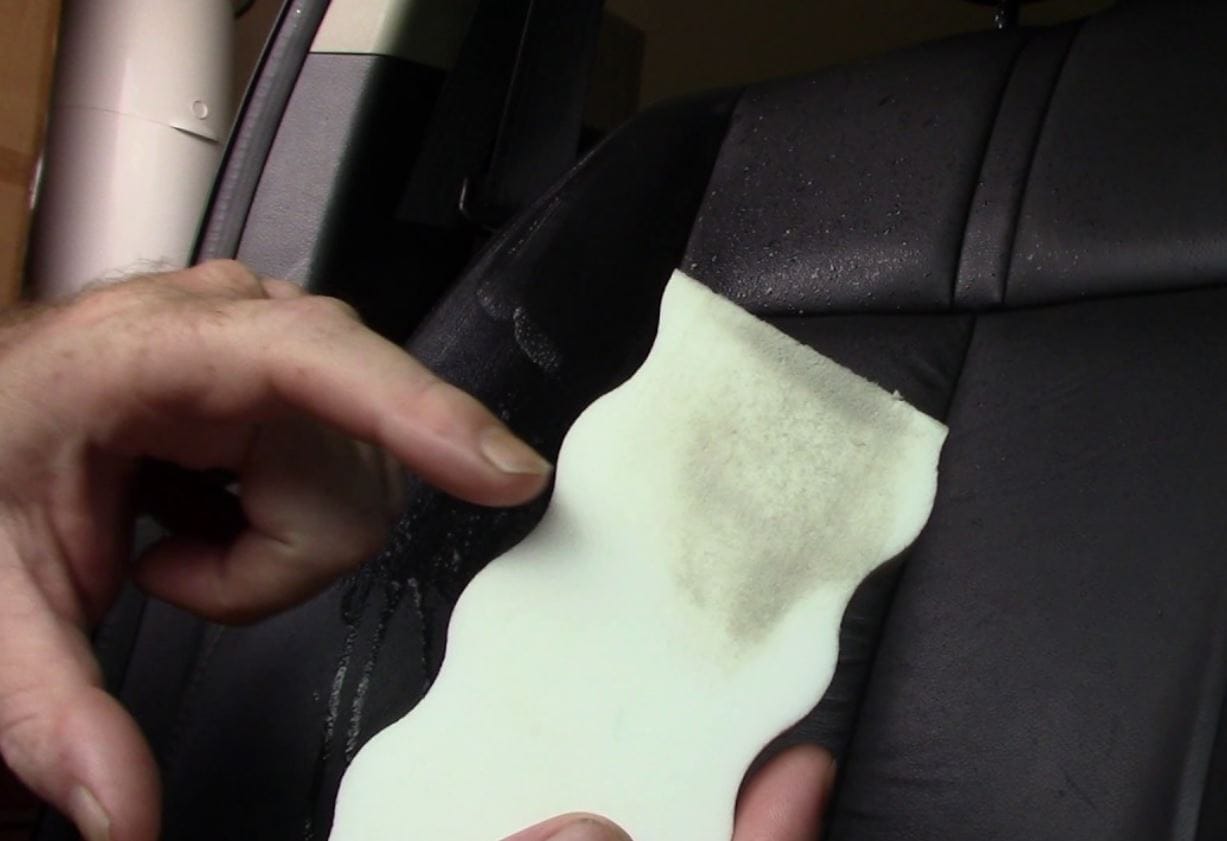
If you’ve ever battled stubborn stains on leather furniture, shoes, or car seats, you’ve probably wondered: can you use a Magic Eraser on leather? This popular cleaning tool promises to erase marks effortlessly, but leather requires special care. In this article, we’ll explore whether using a Magic Eraser on leather is safe, effective, or a costly mistake. By the end, you’ll know exactly how to clean leather without damaging it.
What Is a Magic Eraser and How Does It Work?
A Magic Eraser is a melamine foam cleaning pad that works through micro-abrasion. When dampened, its open-cell structure acts like ultra-fine sandpaper, lifting stains by gently scouring surfaces. While incredibly effective on hard, non-porous materials like walls, tiles, and appliances, its abrasive nature raises red flags for delicate surfaces—especially leather.
Can You Use Magic Eraser on Leather? The Short Answer
Proceed with extreme caution. In most cases, using a Magic Eraser on leather is not recommended. Leather is a porous, coated material that can be easily damaged by abrasives. A Magic Eraser can strip away the protective topcoat, cause discoloration, or create a dull, patchy appearance. However, there are very specific scenarios where light, careful use might be considered—more on that below.
Risks of Using Magic Eraser on Leather
- Removes the Protective Topcoat: Most leather items have a protective finish. Abrasion can wear this away, leaving the leather vulnerable.
- Causes Discoloration: It can lift dye from the leather surface, leading to uneven color and permanent stains.
- Creates a Rough Texture: The smooth surface can become fuzzy or suede-like in patched areas.
- Dries Out the Leather: Abrasion can open pores, accelerating moisture loss and leading to cracking.
When Might a Magic Eraser Be Considered?
Only on finished, non-porous leather (like coated or bonded leather) for a small, tough stain (like scuff marks), and only if you’re willing to accept the risk. Always test on a hidden area first.
Comparison: Magic Eraser vs. Recommended Leather Cleaners
| Feature | Magic Eraser | Dedicated Leather Cleaner |
|---|---|---|
| Primary Action | Micro-abrasion / Light sanding | Chemical cleaning & conditioning |
| Effect on Leather Finish | High risk of stripping or dulling | Preserves and often replenishes |
| Safety for Leather | Low – High risk of damage | High – Formulated for leather |
| Best For | Hard, non-porous surfaces | All types of genuine & faux leather |
| Long-Term Impact | Can cause irreversible damage | Maintains longevity & appearance |
| Cost Implication | Low upfront, high potential repair cost | Moderate upfront, saves money long-term |
Safe & Effective Alternatives to Clean Leather
Forget the gamble. Here are proven, safe methods for cleaning leather:
- Damp Microfiber Cloth: For daily dust and light dirt. Wring out thoroughly.
- Saddle Soap: A classic for cleaning and conditioning untreated or matte leather.
- pH-Balanced Leather Cleaner: The best choice for most modern finished leathers (furniture, car interiors).
- Homemade Solution (for tough spots): Mix 50/50 water and white vinegar lightly on a cloth. Test first!
Step-by-Step: The Right Way to Clean a Leather Stain
- Blot any liquid immediately.
- Vacuum or dust the area.
- Test your cleaner on an inconspicuous spot.
- Apply cleaner to a soft cloth, not directly to leather.
- Gently wipe in a circular motion.
- Buff dry with a separate clean cloth.
- Condition after cleaning to restore moisture (use a leather conditioner).
What to Do If You’ve Already Used a Magic Eraser
If your leather looks dull or damaged:
- Clean the area gently with a proper leather cleaner to remove any residue.
- Apply a high-quality leather conditioner to help restore moisture and suppleness.
- For severe damage, consider a leather restoration kit that includes dye and topcoat, or consult a professional leather repair service.
FAQs: Your Magic Eraser & Leather Questions, Answered
Q: Can I use Magic Eraser on faux leather?
A: Slightly safer than real leather, but still risky. Faux leather’s plastic coating can still be scratched. Use a gentle soap and water solution instead.
Q: What about car leather seats?
A: Avoid it. Car leather is often coated but experiences high wear. Use an automotive-specific leather cleaner and conditioner.
Q: Can I use it on leather shoes or purses?
A: Not advised. The risk of scuffing and discoloring expensive items is too high. Use products designed for footwear or accessories.
Q: What is the #1 rule for cleaning leather?
A: Always test any cleaner on a hidden area first.
Conclusion: Protect Your Investment
Leather is a durable but delicate material that benefits from proper care. While the Magic Eraser is a powerhouse for many household tasks, it is not a suitable tool for cleaning leather. The potential for costly, irreversible damage far outweighs any convenience. For clean, supple, and long-lasting leather, stick with products designed for its unique chemistry. Your leather goods are an investment—clean them wisely.