The Ultimate Guide: How to Clean a Sheepskin Seat Cover
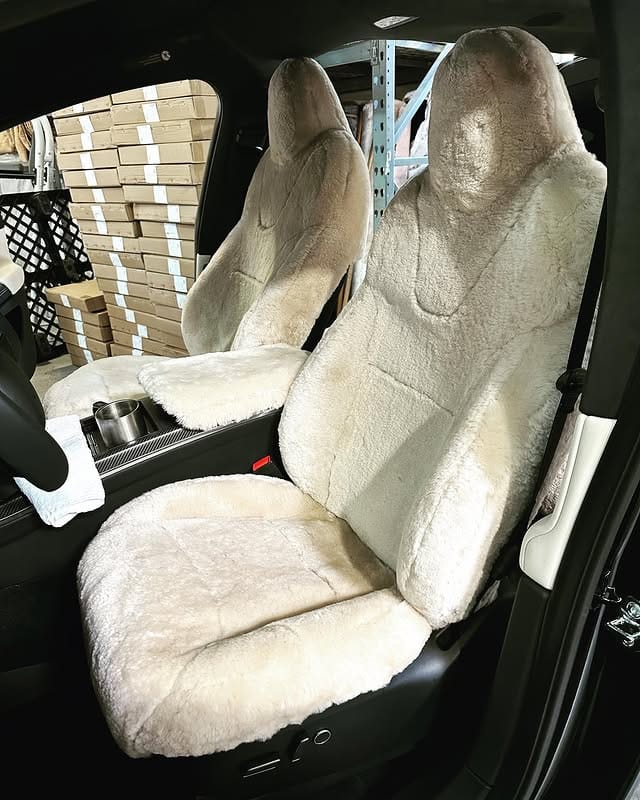
Sheepskin seat covers offer unparalleled comfort, temperature regulation, and style for your vehicle. However, keeping them clean and pristine requires specific care to avoid damaging the delicate fibers. This comprehensive, step-by-step guide will teach you how to properly clean your sheepskin seat cover, ensuring it stays soft, luxurious, and lasts for years.
Why Proper Cleaning is Crucial for Sheepskin
Sheepskin is a natural material with unique properties. Unlike synthetic fabrics, it contains lanolin (a natural wax) which gives it its water-resistant and soft qualities. Harsh chemicals or improper techniques can strip this lanolin, leading to stiff, matted, or discolored wool. Proper maintenance not only preserves its look and feel but also protects your investment.
Pre-Cleaning: Assessment & Regular Maintenance
Before any deep cleaning, perform these essential maintenance steps.
1. Regular Shaking & Brushing: Weekly, remove the cover and give it a firm shake outdoors to dislodge dirt and debris. Use a suede brush or a pet slicker brush to gently brush the wool in the direction of the nap. This prevents matting.
2. Spot Clean Spills Immediately: Blot (don’t rub) liquids immediately with a clean, absorbent cloth. For sticky residues, use a damp cloth with a tiny amount of mild wool wash.
Pre-Cleaning Assessment Table
| Condition | Action Required | Urgency |
|---|---|---|
| Loose dirt/debris | Shaking & Brushing | Weekly / As Needed |
| Fresh liquid spill | Blotting & Dabbing | Immediate |
| Minor stain | Spot Cleaning | Within 24-48 hours |
| Overall soiling, odor, or stiffness | Full Deep Clean | Seasonally or 1-2 times/year |
| Major stain (oil, ink) | Targeted Treatment + Deep Clean | As soon as possible |
Step-by-Step: How to Deep Clean Your Sheepskin Seat Cover
Follow this method for a safe and effective clean. Always check the manufacturer’s tag first for any specific instructions.
What You’ll Need:
- Mild, pH-neutral wool shampoo or baby shampoo (NO detergents)
- Two large basins or a clean bathtub
- Lukewarm water (never hot)
- White vinegar (for rinse)
- Large, clean towels
- Suede/Wool brush
- Well-ventilated drying area, away from direct heat/sun
The Process
Step 1: Preparation
Remove the cover from the seat. Shake and brush it thoroughly to remove surface dirt.
Step 2: Wash
Fill a basin with lukewarm water and add a small amount of wool shampoo (as per product directions). Submerge the cover and gently agitate it with your hands. Never twist, wring, or scrub the wool. Soak for 10-15 minutes.
Step 3: Rinse (The Most Important Step)
Drain the soapy water. Refill the basin with clean, lukewarm water. Add one tablespoon of white vinegar per gallon of water. The vinegar helps break down soap residues (which stiffen wool) and restores pH. Swish the cover, drain, and repeat with fresh water until the water runs completely clear.
Step 4: Dry
Lay the cover on a thick bath towel. Roll them together tightly to press out excess water. Do not wring. Unroll, transfer the cover to a fresh, dry towel, and shape it to its original dimensions. Allow it to air dry away from direct sunlight, heaters, or dryers. Turn it occasionally. Brushing lightly during drying will keep the wool fluffy.
Step 5: Final Brush
Once completely dry, give the cover a vigorous final brushing to fluff up the nap and restore its like-new appearance.
Comparison: Cleaning Methods at a Glance
| Method | Best For | Pros | Cons | Risk Level |
|---|---|---|---|---|
| Professional Cleaning | Major stains, deep odors, valuable covers. | Expert handling, thorough results. | Most expensive option. | Very Low |
| Hand Wash (Guide Above) | Overall cleaning, seasonal maintenance. | Most control, gentle, cost-effective. | Time-consuming, requires effort. | Low |
| Spot Cleaning Only | Minor, recent spills and stains. | Quick, preserves natural lanolin. | Doesn’t address overall soiling. | Very Low |
| Machine Wash (Gentle Cycle) | Only if label explicitly states it’s safe. | Convenient. | Can felt and shrink wool, high risk of damage. | Very High |
| Harsh Chemicals/Bleach | Never use on sheepskin. | N/A | Will permanently damage fibers, cause discoloration. | Destructive |
Pro Tips & Common Mistakes to Avoid
DO:
- Brush regularly to prevent matting.
- Use only products designed for wool or leather.
- Act quickly on spills.
- Ensure it is 100% bone-dry before refitting to prevent mildew.
DON’T:
- Never use a washing machine or dryer unless the tag guarantees it’s safe (rare).
- Avoid heat – no hair dryers, radiators, or hot sun for drying.
- Don’t soak or saturate the leather backing excessively.
- Skip fabric softeners, detergents, and stain removers – they are too harsh.
FAQ: Cleaning Sheepskin Seat Covers
Q: Can I use a carpet cleaner or steam cleaner?
A: Generally, no. The intense agitation and heat can felt the wool. If you must, use a dry extraction/upholstery cleaner only on the leather back, avoiding the wool.
Q: How do I remove a stubborn odor?
A: Sprinkle baking soda lightly over the dry cover, let it sit for an hour, then brush/vacuum it off thoroughly. For persistent odors, a vinegar rinse during washing is effective.
Q: My sheepskin became stiff after cleaning. What did I do wrong?
A: Stiffness is usually caused by soap residue or high heat drying. Re-wash with a proper vinegar rinse and air-dry. As it dries, brush frequently.
Q: How often should I deep clean my seat cover?
A: For daily drivers, 1-2 times a year is sufficient. With regular shaking and spot cleaning, you can extend the time between deep cleans.
Conclusion
Cleaning a sheepskin seat cover isn’t difficult, but it requires the right gentle approach. By committing to regular brushing, immediate spot cleaning, and an annual hand wash with wool-specific products, you’ll maintain the luxurious feel and durability of your sheepskin for the long haul. Remember: treat it like the high-quality natural material it is, and it will reward you with comfort and style for years to come.