The Ultimate Guide: How to Clean a Pastry Cloth for Perfect Baking Every Time
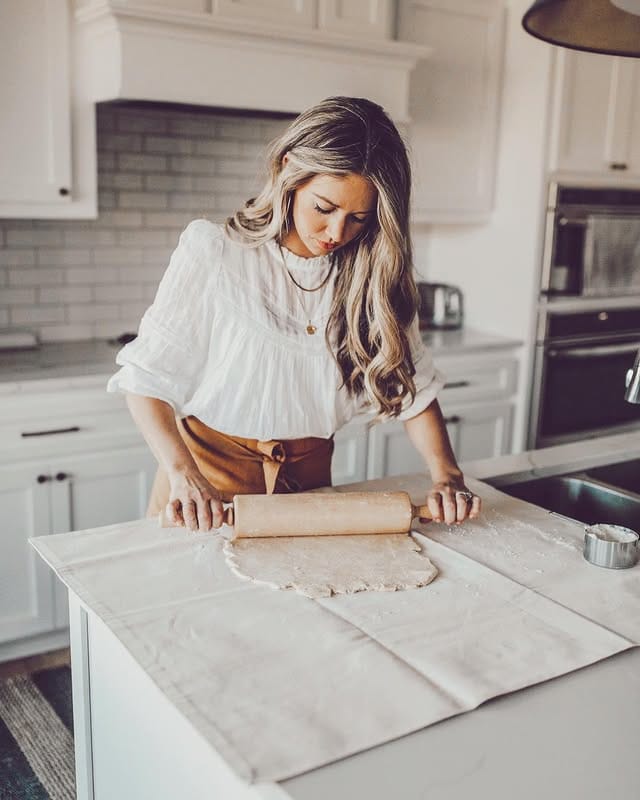
A pastry cloth (or dough cloth) is an indispensable tool for bakers, providing a non-stick, floured surface for rolling out pie crusts, cookies, and pastries. However, improper cleaning can lead to ruined fabric, lingering odors, and contaminated dough. This comprehensive, SEO-optimized guide will teach you how to clean a pastry cloth effectively, ensuring it lasts for years and supports your best baking results.
Why Proper Pastry Cloth Cleaning is Essential
A used pastry cloth is embedded with flour, butter, and sometimes dough particles. If not cleaned correctly, this residue can become rancid, attract pests, or introduce off-flavors and bacteria into your next baking project. Proper maintenance also preserves the fabric’s texture, which is crucial for providing the right amount of friction to shape dough.
Step-by-Step: How to Clean Your Pastry Cloth
Follow this proven method for a deep, sanitary clean after each use.
Step 1: The Initial Shake & Scrape
Immediately after use, take the cloth outside and give it a firm shake to remove loose flour. Use a dough scraper or a blunt knife to gently scrape off any stuck-on dough bits.
Step 2: Rinse in Cold Water
Always start with cold water. Hot water will cook the starch and fat into the fibers, creating a permanent, gluey mess. Hold the cloth under a cold tap, rinsing away surface residues.
Step 3: Pre-Treat and Soak
Create a soaking solution in a basin or sink:
- Cold Water
- 1 Tablespoon of Mild Dish Soap or Baking Soda
Submerge the cloth and let it soak for 20-30 minutes. For stubborn, greasy stains, a drop of natural degreaser like Dawn can be used.
Step 4: Gentle Hand Wash
Gently rub the fabric together to work out remaining stains. Avoid harsh scrubbing, which can damage the tight weave. Focus on any visibly soiled areas.
Step 5: Rinse Thoroughly
Rinse under cold, running water until the water runs completely clear and no soap suds remain. Soap residue will affect future dough performance.
Step 6: Drying Correctly
Never wring out a pastry cloth. Instead, roll it in a clean towel to press out excess water, then air-dry it flat or hang it over a line, away from direct heat or sunlight. Ensure it is bone-dry before storing to prevent mildew.
Step 7: Storage
Store your completely dry cloth in a clean, breathable bag or folded in a drawer away from strong odors. Some bakers lightly flour it before storage to maintain its “seasoned” ready-to-use state.
Advanced Care: Stain Removal and Deep Cleaning
| Problem Stain | Solution Method | Important Note |
|---|---|---|
| Yellowed/Greasy Fat Stains | Make a paste of baking soda and cold water. Rub gently into stain before the main soak. | Test on a small area first. Patience is better than vigorous scrubbing. |
| Set-in Starch (Gluey Feel) | Soak in a cool water and white vinegar solution (2:1 ratio) for an hour before washing. | This breaks down the starch. Do NOT use hot water. |
| Mild Mildew or Odor | Soak in a solution of cold water and 1/4 cup lemon juice or white vinegar for 30 mins, then wash. | For severe mildew, it may be time to replace the cloth for food safety. |
| Berry or Fruit Stains | Treat immediately with a cool water soak. Avoid bleach. | Sun-drying can help lift organic stains naturally. |
Machine Washing vs. Hand Washing: A Detailed Comparison
| Factor | Hand Washing (Recommended) | Machine Washing (Use with Caution) |
|---|---|---|
| Fabric Integrity | Preserves the tight weave and surface texture. | Agitation can fray edges and loosen the weave over time. |
| Stain Treatment | Allows for targeted, gentle treatment of soiled areas. | Less control; stains may not be fully addressed. |
| Residue Risk | Low risk if rinsed thoroughly. | High risk of soap residue if machine rinse is inadequate. |
| Convenience | More time-consuming, requires effort. | Fast and easy. |
| Best For | Regular, optimal care. Linen, cotton, and specialty cloths. | Occasional deep clean of sturdy, 100% cotton cloths. Use cold, gentle cycle, no fabric softener. |
Pro Tip: If you must machine wash, place the pastry cloth inside a mesh laundry bag for protection and use a small amount of fragrance-free detergent.
FAQ: Answering Top User Questions on Pastry Cloth Care
Q: Can I put my pastry cloth in the dryer?
A: It is not recommended. The high heat can shrink the fabric, damage fibers, and set any remaining stains. Always air-dry.
Q: How often should I wash my pastry cloth?
A: After every use if used with raw dough, eggs, or meat (like dumplings). If used only for dry, cookie-type doughs, you can brush it off and wash every 2-3 uses.
Q: Can I use bleach to whiten my cloth?
A: Avoid chlorine bleach as it weakens fibers and is harsh for food-contact items. For whitening, use lemon juice, sunlight, or a hydrogen peroxide solution (1 tsp per cup cold water).
Q: What is the “seasoning” on a pastry cloth, and should I wash it off?
A: “Seasoning” is a built-up layer of flour in the weave. A light seasoning is beneficial for non-stick performance. Your cleaning goal is to remove grease and old dough, not to return the cloth to a brand-new, bright white state.
SEO-Optimized Conclusion: Mastering Pastry Cloth Longevity
Learning how to clean a pastry cloth is a simple yet vital skill for any home baker. By consistently using the cold water hand-wash method, treating stains promptly, and air-drying thoroughly, you protect your investment and ensure a hygienic baking surface. Remember, a well-maintained pastry cloth is the secret behind effortlessly rolled pie crusts and perfectly shaped cookies. Implement this cleaning routine to keep your baking tools—and your baked goods—in impeccable condition.