The Ultimate Guide to Cleaning Your Cape Cod Bracelet: Restore Its Shine in Minutes
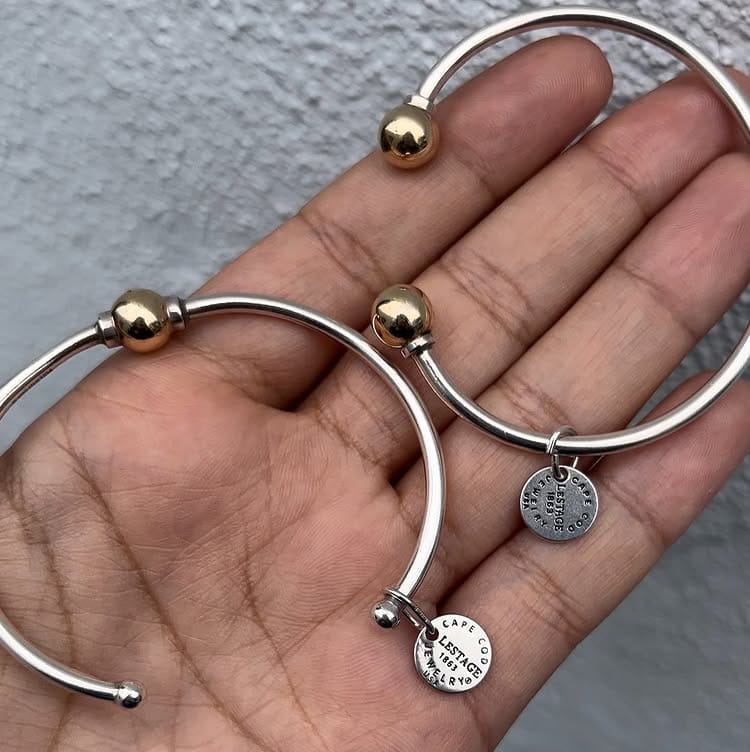
Cape Cod bracelets are timeless pieces of jewelry, known for their elegant, woven design and brilliant shine. However, their polished surfaces are prone to tarnishing and scratching. Learning how to clean a Cape Cod bracelet properly is essential to maintain its luxurious look for years. This comprehensive, SEO-optimized guide will walk you through the safest, most effective methods.
Why Proper Cleaning Matters for Your Cape Cod Bracelet
Cape Cod bracelets, typically made from sterling silver, gold vermeil, or stainless steel with a high-polish finish, are designed to be durable. Yet, everyday exposure to lotions, perfumes, sweat, and environmental sulfur can cause dullness and tarnish. Regular, gentle cleaning not only restores brilliance but also prevents long-term damage, preserving both the bracelet’s value and sentimental worth.
What You’ll Need: The Cleaning Toolkit
Gather these simple, non-abrasive items. Avoid harsh chemicals like bleach or ammonia.
- Cape Cod Metal Polishing Cloths (The Gold Standard)
- Soft, Lint-Free Microfiber Cloths
- Mild Dish Soap (Fragrance-Free)
- Lukewarm Distilled Water
- Soft-Bristled Toothbrush (optional, for intricate weaving)
- Airtight Container or Ziploc Bag (for deep clean)
Step-by-Step Cleaning Instructions
Method 1: Routine Polish (Quick & Effective)
This is the standard method for regular maintenance and light tarnish.
- Prepare: Ensure your bracelet is closed and latched to prevent the cloth from snagging on the clasp.
- Polish: Take a Cape Cod Polishing Cloth (or a similar non-abrasive, impregnated polishing cloth) and gently rub the bracelet’s surface. Focus on one small section at a time.
- Buff: Use the clean side of the cloth or a separate microfiber cloth to buff off any excess polish and reveal a brilliant, streak-free shine.
- Inspect: Check between the woven links for any remaining residue.
Method 2: Deep Clean (For Built-Up Grime)
Use this method monthly or if the bracelet has been exposed to heavy sweat, lotions, or chemicals.
- Create Solution: Mix a few drops of mild dish soap in a bowl of lukewarm water.
- Soak & Scrub: Submerge the bracelet for 5-10 minutes. Gently scrub the links with a soft-bristled toothbrush to dislodge grime from the woven pattern.
- Rinse Thoroughly: Rinse under lukewarm running water to remove all soap. (Avoid this step for gold vermeil; instead, wipe with a damp cloth).
- Dry Completely: Pat dry immediately with a lint-free cloth. Let it air dry fully before storing or wearing.
- Final Polish: Follow with a pass of the polishing cloth to restore the signature mirror finish.
Cleaning Comparison Table: Choosing Your Method
| Feature | Routine Polish (Cape Cod Cloth) | Deep Clean (Soap & Water) | Commercial Silver Dip |
|---|---|---|---|
| Best For | Weekly maintenance, light tarnish, restoring shine. | Removing oil, dirt, and grime from crevices. | Severe, uniform tarnish on solid silver. |
| Time Required | 2-5 minutes. | 10-15 minutes. | 1-2 minutes (plus rinse). |
| Risk Level | Very Low (when used correctly). | Low. | High – can damage finishes, strip vermeil, and dry out leather. |
| Effect on Finish | Enhances and protects the polish. | Cleans without altering finish. | Can leave a dull, chalky residue; not recommended for plated items. |
| SEO Keyword Tip | “quick polish cape cod bracelet” | “deep clean woven bracelet” | Avoid for Cape Cod care. |
Metal-Specific Care Table
| Bracelet Material | Primary Cleaning Method | Critical Do’s & Don’ts |
|---|---|---|
| Sterling Silver | Cape Cod Polishing Cloth. | DO store in an anti-tarnish bag. DON’T expose to pools (chlorine) or prolonged moisture. |
| Gold Vermeil | Gentle soap/water clean, followed by very light polishing with a clean cloth. | DO dry immediately. DON’T over-polish, as this can wear the thin gold layer. |
| Stainless Steel | Either method works effectively. | DO clean regularly to prevent fingerprint stains. DON’T worry about tarnish; it’s highly resistant. |
Pro Tips for Maintenance & Storage
- Prevention is Key: Put your bracelet on last when getting ready, after applying perfume, lotion, and hairspray.
- Regular Wiping: Get in the habit of giving it a quick wipe with a microfiber cloth after each wear.
- Proper Storage: Always store in the original pouch or a sealed, anti-tarnish bag in a cool, dry place. Never toss it loosely in a jewelry box where it can get scratched.
- When to Seek a Professional: If the bracelet is heavily scratched, the plating is worn, or links are damaged, consult a professional jeweler.
FAQs: Your Cleaning Questions, Answered
Q: Can I use toothpaste to clean my Cape Cod bracelet?
A: No. Toothpaste is mildly abrasive and can microscratch the high-polish finish, making it dull over time.
Q: How often should I clean my bracelet?
A: For regular wear, a quick polish once a week and a deep clean once a month is ideal. Clean immediately after exposure to sweat, saltwater, or chemicals.
Q: The cloth left a dark residue on my bracelet. Is this normal?
A: Yes. The dark residue is tarnish and oxidation being removed from the metal. Simply buff it away with the clean side of the cloth to reveal the shine.
Q: Can I ultrasonic clean my Cape Cod bracelet?
A: It is not recommended. The intense vibrations can loosen links or damage the finish, especially on gold vermeil pieces.
Conclusion: Keep Your Shine Timeless
Cleaning your Cape Cod bracelet is a simple but vital ritual. By using the gentle, non-abrasive methods outlined in this guide—primarily the trusted Cape Cod Polishing Cloths and mild soapy water—you can easily maintain its iconic luster. Remember, consistent care and proper storage are the secrets to ensuring your woven bracelet remains a sparkling heirloom for generations.
Ready to restore the shine? Grab your polishing cloth and give your cherished bracelet the care it deserves today