How to Disinfect Leather Shoes Safely and Effectively
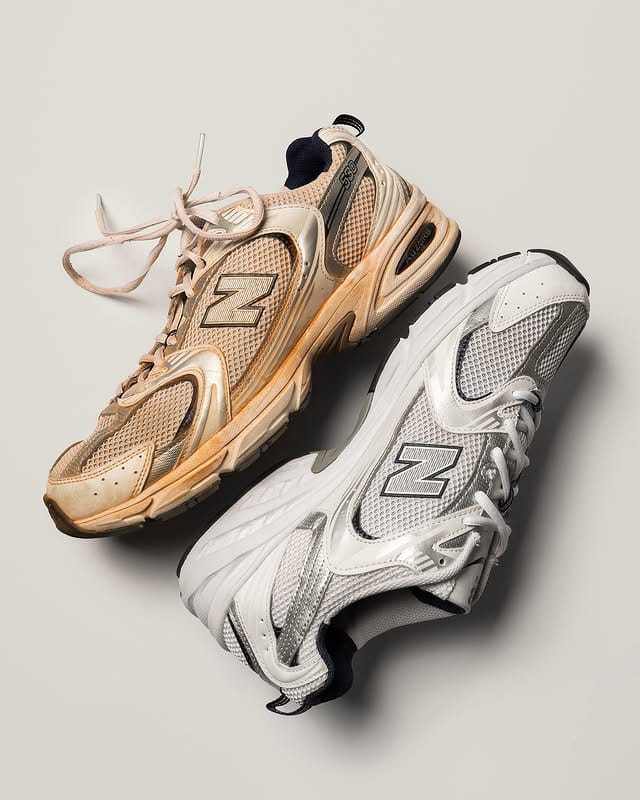
We rely on our leather shoes for style, comfort, and durability. But what happens after a long day, a trek through the city, or an unexpected encounter with a puddle? Beyond dirt and scuffs, our shoes can harbor bacteria, fungi, and viruses. Knowing how to properly disinfect leather shoes is crucial not only for their longevity but also for your foot health and overall hygiene.
Unlike cleaning, which removes surface dirt, disinfection kills microorganisms on the surface. This process requires care, as the wrong products can dry out, discolor, or crack premium leather. This guide will walk you through the safest and most effective methods to disinfect your leather footwear.
Why Disinfecting Leather Shoes is Different
Leather is a porous, natural material. Harsh chemicals like bleach, ammonia, or standard household disinfectants can strip its natural oils, leading to a stiff, damaged finish.
“The key to disinfecting leather is to use products that are effective against microbes but gentle on the hide. You’re walking a fine line between sanitization and preservation,” says Maria Laurent, a professional shoe restorer.
Before you begin any disinfection process, always test your chosen cleaner on a small, inconspicuous area of the shoe, like the inside tongue or backstay.
Step-by-Step Guide to Disinfecting Leather Shoes
Follow this methodical process to ensure a thorough and safe disinfection.
Step 1: The Preliminary Clean
You cannot disinfect a dirty surface. Start by removing all surface grime.
- Remove the laces and insoles. These should be cleaned separately (see below).
- Dry Brush. Use a soft-bristled brush (a horsehair brush is ideal) to remove loose dirt, dust, and debris from the entire shoe, focusing on seams and welts.
- Wipe Down. Using a slightly damp, soft cloth, wipe down the entire exterior of the shoe to lift any remaining surface dirt. Allow the shoes to air dry completely away from direct heat.
Step 2: Choosing Your Disinfectant & Application
This is the most critical step. Select one of the following safe disinfectant options.
1. Rubbing Alcohol (70% Isopropyl Alcohol)
- How it works: Alcohol is a potent antiseptic that evaporates quickly, minimizing moisture exposure.
- Application: Dampen a microfiber cloth with the alcohol—do not pour it directly onto the leather. Wipe the entire surface of the shoe, including the interior, with gentle, even strokes. Allow it to air dry completely.
2. Leather-Safe Disinfectant Sprays
- How it works: Certain brands offer sprays specifically designed to disinfect leather goods without harmful chemicals.
- Application: Follow the product instructions precisely. Typically, you spray from 6-8 inches away, covering the surface evenly. Let it air dry.
3. Diluted White Vinegar Solution
- How it works: Vinegar is a natural disinfectant with mild acidic properties. It’s less aggressive but requires proper dilution.
- Application: Mix one part white vinegar with one part distilled water. Dampen a cloth with the solution and wipe the leather. Be aware that the vinegar smell will dissipate as it dries.
Step 3: Don’t Forget the Insides!
The interior is where bacteria and odor-causing microbes thrive.
- Insoles: If removable, wash them with mild soap and water or spray them with your chosen disinfectant. Let them air dry completely before reinserting.
- Shoe Interior: Use your disinfectant-soaked cloth or spray to wipe the inside lining of the shoe. For a deeper clean, sprinkle baking soda inside, let it sit for a few hours (or overnight) to absorb odors, and then vacuum it out.
Step 4: Conditioning is Non-Negotiable
Disinfectants, especially alcohol, can be drying. Replenishing lost moisture is essential to prevent the leather from cracking.
- Once the shoes are fully dry after disinfection, apply a thin, even layer of a high-quality leather conditioner.
- Buff gently with a clean, dry cloth to restore shine and protection.
Disinfectant Comparison Table
| Disinfectant | Pros | Cons | Best For |
|---|---|---|---|
| 70% Rubbing Alcohol | Highly effective, fast-drying, readily available. | Can be drying; must be followed with conditioner. | Quick, general disinfection of all leather types. |
| Specialized Leather Spray | Formulated to be safe for leather; often contains conditioners. | More expensive; not as widely available. | Regular maintenance and for high-value or sensitive leathers. |
| Diluted White Vinegar | Natural, non-toxic, and inexpensive. | Mild odor; less potent; not recommended for suede/nubuck. | Mild disinfection and for those preferring natural solutions. |
| Bleach or Harsh Chemicals | AVOID | Will permanently damage, discolor, and break down leather. | None. Do not use on leather. |
Special Considerations for Different Leather Types
Not all leather is created equal. Adjust your approach accordingly.
Smooth/Finished Leather
This is the most common type (e.g., dress shoes, leather sneakers). It has a protective topcoat, making it the most resilient to gentle disinfectants like alcohol. The standard guide above works perfectly.
Suede & Nubuck
These materials are delicate and porous. Never use liquids like alcohol or vinegar, as they can cause staining and watermarks.
- Disinfection Method: Use a specialized suede disinfectant spray. Alternatively, you can use a UV shoe sanitizer, which uses ultraviolet light to kill germs without any moisture.
Patent Leather
This leather has a high-gloss, plastic-like finish.
- Disinfection Method: A cloth lightly dampened with a mild soap and water solution is usually sufficient. Wipe dry immediately with a separate cloth to maintain the shine. Avoid alcohol as it can dull the finish.
FAQ: Your Leather Shoe Disinfection Questions, Answered
Q: Can I use Lysol or Clorox wipes on my leather shoes?
A: It is not recommended. These wipes often contain bleaching agents and harsh chemicals that can strip the leather’s dye and natural oils, leading to dryness and cracking.
Q: How often should I disinfect my leather shoes?
A: For daily wear shoes, a thorough clean and disinfect every 4-6 weeks is a good rule of thumb. Disinfect more frequently if you wear them for intense activity, in wet conditions, or if they’ve been exposed to contaminants.
Q: What’s the best way to eliminate strong odors?
A: Disinfection tackles the source of odors (bacteria). For persistent smells, after disinfecting, use a shoe deodorizer spray or the baking soda method mentioned in Step 3. Ensuring shoes are completely dry between wears is the best prevention.
Q: Can sunlight disinfect shoes?
A: While UV light has germicidal properties, prolonged direct sunlight is detrimental to leather, causing it to fade and become brittle. It is not a reliable or safe primary disinfection method.
Final Word
Disinfecting your leather shoes is a simple but vital part of footwear care that extends their life and keeps them fresh. By choosing the right, gentle disinfectant and always following up with a quality conditioner, you can effectively eliminate germs without compromising the beauty and integrity of your favorite leather shoes.
Summary of Key Takeaways:
- Always clean before you disinfect.
- Test any product in an inconspicuous area first.
- Avoid bleach and harsh household cleaners.
- Condition the leather after every disinfection.
- Adjust your method for suede, nubuck, and patent leather.
Invest a little time in proper care, and your leather shoes will reward you with years of reliable service and timeless style.