Can I Soak My Dentures in Baking Soda Overnight? A Denturist’s Guide
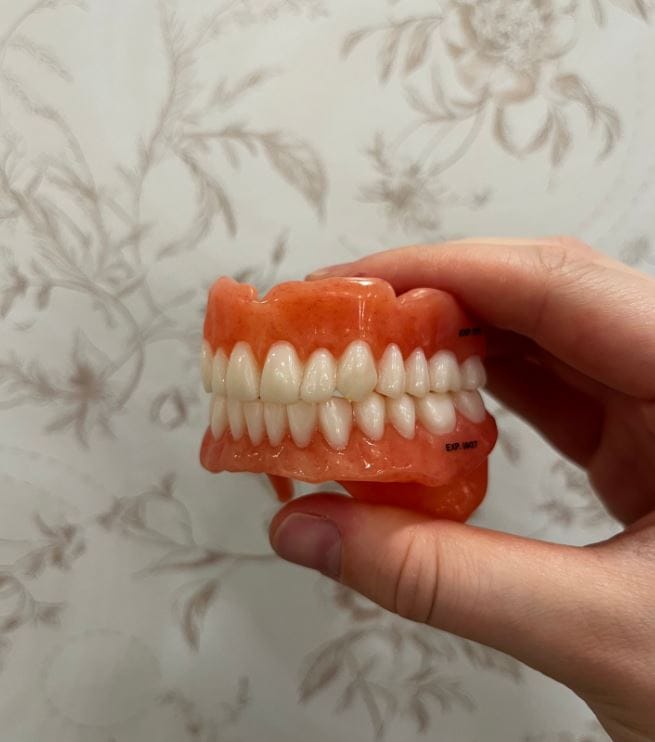
It’s a common question that circulates in online forums and family conversations: “Can I soak my dentures in baking soda overnight?” With its reputation as a natural, multi-purpose cleaner, baking soda seems like a harmless and cost-effective solution for denture care.
The short answer is yes, you can use a baking soda solution for short-term soaking, but it is not recommended as a primary, overnight cleaning method.
This article will dive deep into the pros and cons, providing a clear, expert-backed guide to help you care for your dentures properly and keep your smile healthy.
The Allure of Baking Soda: Why People Consider It
Baking soda (sodium bicarbonate) is a mild abrasive and a gentle cleansing agent. Its appeal for denture cleaning includes:
- Natural Deodorizer: It effectively neutralizes odors, leaving dentures smelling fresh.
- Stain Removal: Its mild abrasive properties can help lift surface stains without being too harsh.
- Cost-Effective: It’s significantly cheaper than many commercial denture cleaning tablets.
- Readily Available: Almost every household has a box in the pantry.
As Dr. Emily Watson, a practicing prosthodontist, notes, “Baking soda has its place in oral hygiene due to its mild abrasive and odor-neutralizing properties. For a quick, gentle scrub, a paste made from baking soda and water can be useful. However, its limitations become apparent when we talk about disinfecting and long-term soaking.”
The Risks of an Overnight Baking Soda Soak
While a brief soak is generally safe, leaving your dentures in a baking soda solution for 6-8 hours overnight presents several risks.
- Ineffective Disinfection: This is the most critical drawback. Baking soda is not a powerful disinfectant. It does not effectively kill the bacteria and fungi that can cause oral infections, such as denture stomatitis (a yeast infection under the dentures).
- Potential for Abrasion: While mild, prolonged and repeated exposure to abrasives can microscopically scratch acrylic dentures. Over time, these tiny scratches can harbor more bacteria and stains, making your dentures dirtier faster.
- Lack of Effervescence: Unlike commercial tablets, baking soda solutions are not effervescent. This “fizzing” action is crucial for cleaning hard-to-reach areas in the crevices and grooves of the denture, which a static baking soda soak cannot achieve.
- Corrosion on Metal Parts: If you have partial dentures with metal clasps, prolonged exposure to baking soda can potentially lead to corrosion or tarnishing of the metal over time.
The Right Way to Use Baking Soda on Dentures
If you choose to use baking soda, it should be part of a manual cleaning routine, not a prolonged soak.
Recommended Method: The Baking Soda Paste
- Rinse your dentures under cool water to remove loose food particles.
- Create a paste by mixing a small amount of baking soda with water.
- Using a soft-bristled denture brush (not a regular toothbrush), gently brush every surface of the denture.
- Pay special attention to grooves and crevices where plaque and stains accumulate.
- Rinse the denture thoroughly under cool water until all paste is removed.
Important: This brushing should be done over a soft towel or a basin filled with water to prevent damage if the denture is accidentally dropped.
Denture Cleaning Methods: A Side-by-Side Comparison
The table below compares common denture cleaning methods to help you make an informed decision.
| Method | How It Works | Pros | Cons | Best For |
|---|---|---|---|---|
| Baking Soda Paste | Mild abrasive manually scrubs away stains. | Natural, cheap, good for surface stains & odors. | Not a disinfectant; potential for micro-scratches. | Occasional, manual cleaning as a supplement. |
| Baking Soda Overnight Soak | Static soaking in a solution. | Cheap, deodorizing. | Ineffective disinfection, can be abrasive over time. | Not Recommended. |
| Effervescent Tablets | Fizzing action releases oxygen bubbles & cleansers. | Excellent for crevices, disinfects, deodorizes. | Ongoing cost; some brands can be harsh. | Primary, daily overnight cleaning and disinfecting. |
| Ultrasonic Cleaners | Uses high-frequency sound waves to create cleaning bubbles. | Very thorough, reaches all areas, non-abrasive. | High initial cost; requires electricity. | Deep cleaning in addition to daily care. |
| Vinegar Solution (Diluted) | Mild acid helps dissolve tartar and stains. | Natural, can remove hard water deposits. | Can damage denture material over time; not a disinfectant. | Occasional use for scale, not recommended for metal parts. |
The Gold Standard for Overnight Denture Care
Dental professionals universally recommend a specific routine for optimal denture health.
The Ideal Daily Routine:
- Rinse: After eating, rinse your dentures to remove loose food debris.
- Brush Daily: Every evening, brush your dentures with a soft denture brush and a mild, non-abrasive soap or a denture-specific cleanser. Avoid regular toothpaste, as it is too abrasive.
- Soak Overnight: Place your brushed and rinsed dentures in a glass of fresh, cool water or a recommended effervescent denture-cleaning solution. This keeps them from drying out and deforming while also disinfecting them.
- Rinse Again: Always rinse your dentures thoroughly before placing them back in your mouth in the morning.
Final Verdict
So, can you soak your dentures in baking soda overnight? While it’s not acutely dangerous, it is an inferior and ineffective method for the crucial task of overnight disinfection.
Think of baking soda as a helpful supplement for occasional manual cleaning, not the foundation of your denture hygiene. For the health of your gums and the longevity of your dentures, investing in a quality effervescent denture cleanser for your overnight soak is the safest and most effective choice.