Can I Use Antibacterial Soap on My Piercings? The Surprising Truth
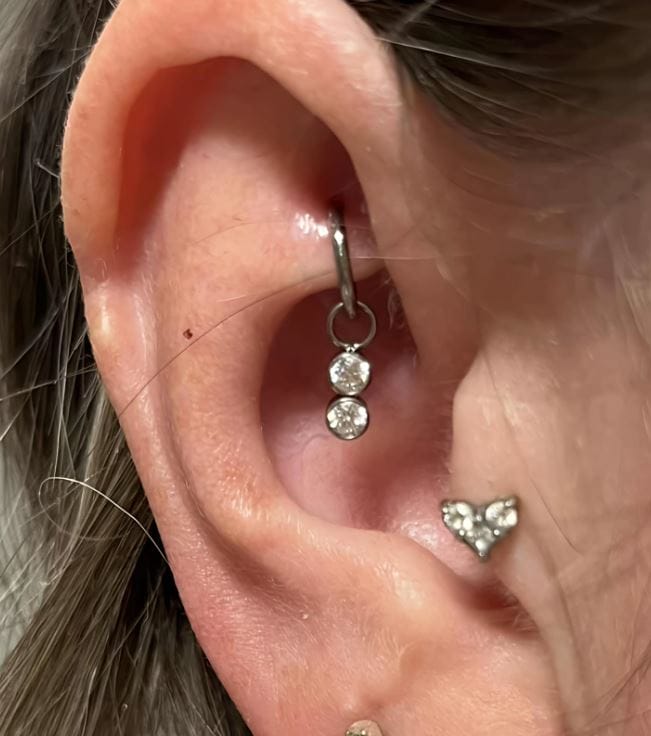
You’ve just gotten a new piercing, and you’re committed to taking perfect care of it. Your first instinct might be to reach for the strongest cleanser you can find—like antibacterial soap—to kill any germs and prevent infection. It seems logical, right?
However, in the world of professional piercing, this common misconception can do more harm than good. Using antibacterial soap on a healing piercing is generally not recommended by piercing experts and dermatologists. Let’s dive into the reasons why and explore the best alternatives for a smooth and healthy healing journey.
Why Antibacterial Soap is a Poor Choice for Piercing Aftercare
While the goal is to keep the area clean, a healing piercing requires a delicate balance. It’s not just about killing bacteria; it’s about promoting a healthy environment for new skin cells to grow. Antibacterial soap is too harsh for this sensitive task for several key reasons.
1. It’s Too Harsh and Disrupts the Healing Environment
Healing a piercing is a complex process where your body works to form a new layer of skin, called a fistula, around the jewelry. This new tissue is incredibly delicate. Antibacterial soaps often contain strong detergents and chemicals like triclosan (now banned in many consumer products) or triclocarban, which can strip away natural oils and irritate the fragile skin.
Expert Insight: “Think of a healing piercing as a fresh, open wound. You wouldn’t scrub a surgical incision with harsh antibacterial soap, and you shouldn’t do it to your piercing either. The goal is gentle cleansing, not aggressive sterilization, which can damage the forming tissue.” — Jane Smith, Certified Professional Piercer (APP Member)
2. It Kills Both Good and Bad Bacteria
Your skin is home to a natural microbiome of “good” bacteria that play a crucial role in fighting off infection and maintaining healthy skin. Broad-spectrum antibacterial agents don’t discriminate; they wipe out this beneficial flora along with the harmful ones. This can leave your piercing more vulnerable to pathogens that cause infections.
3. It Can Cause Dryness, Irritation, and Contact Dermatitis
The strong drying effect of antibacterial soap can lead to cracking, itching, and flaking around the piercing site. This cracked skin creates tiny openings, making it easier for bacteria to penetrate and leading to increased irritation and potentially delaying the healing process.
The Recommended Alternative: Saline Solution
The unanimous gold standard for piercing aftercare is a simple, sterile saline solution with no additives. This is a mixture of 0.9% sodium chloride and purified water—essentially, sterile tears.
Why Saline Solution is Superior:
- Gentle Yet Effective: It cleanses the wound by flushing away debris, crusties, and excess bacteria without aggression.
- Promotes Healing: It provides a moist, isotonic environment that is ideal for cell regeneration. “Isotonic” means it has the same salt concentration as your body, so it doesn’t sting or damage new cells.
- Non-Irritating: With no added preservatives, fragrances, or harsh chemicals, it minimizes the risk of allergic reactions and irritation.
How to Clean Your Piercing Properly
- Wash Your Hands: Always start with thoroughly washed hands.
- Spray with Sterile Saline: Spray a generous amount of pre-made sterile saline solution directly onto the piercing site. Let it sit for 30 seconds to soften any dried discharge.
- Gently Wipe Away Residue: Use a clean, disposable paper towel to gently wipe away any softened residue. Do not use cotton balls or swabs, as fibers can get caught and irritate the piercing.
- Pat Dry: Gently pat the area dry with another clean paper towel. Avoid moving or twisting the jewelry.
- Repeat: Perform this cleaning 1-2 times per day.
Comparison Table: Antibacterial Soap vs. Saline Solution
| Feature | Antibacterial Soap | Sterile Saline Solution |
|---|---|---|
| Primary Action | Kills a broad spectrum of bacteria | Gently flushes away debris and bacteria |
| Effect on Skin | Harsh, can be drying and irritating | Soothing, moisturizing, and non-irritating |
| Impact on Healing | Can disrupt the formation of new tissue and the skin’s microbiome | Promotes a moist, ideal environment for cell regeneration |
| Risk of Reaction | High (fragrances, detergents, preservatives) | Very Low (only two ingredients) |
| Ease of Use | Requires rinsing, which can disturb the jewelry | Can be sprayed on with no need to rinse |
| Expert Recommendation | Not Recommended | Highly Recommended |
What to Do If You Think You Have an Infection
It’s crucial to distinguish between normal healing and an infection.
Normal Healing Signs:
- Mild redness and swelling for the first few days.
- Some tenderness or soreness.
- Clear or whitish discharge (lymph) that forms a crust.
Signs of a Possible Infection:
- Increasing pain, redness, and swelling after the first few days.
- Thick, yellow or green pus (often with a foul smell).
- Prolonged heat emanating from the piercing site.
- Fever or feeling unwell.
Important: “If you suspect an infection, do not remove the jewelry. This can trap the infection inside, forming an abscess. Instead, see your piercer for an assessment and a doctor for medical treatment, which may include antibiotics.” — Dr. Angela Davis, Dermatologist
FAQ Section
Q: What if I already used antibacterial soap on my piercing?
A: Don’t panic. Discontinue use immediately and switch to a sterile saline solution regimen. Monitor the piercing for any signs of increased irritation. If it calms down, you’re on the right track.
Q: Can I use Dial Gold soap? I’ve heard it’s recommended.
A: While Dial Gold was once a common recommendation in the past, piercing aftercare standards have evolved. Most professional piercers no longer recommend it due to its harsh detergents and high potential for drying out the skin. Sterile saline is the modern, proven standard.
Q: What about alcohol or hydrogen peroxide?
A: Absolutely avoid these. They are far too caustic and will kill healthy healing cells, significantly delaying the healing process and causing immense pain.
Q: Where can I find sterile saline solution?
A: You can purchase it at any pharmacy. Look for labels like “Wound Wash” or “Sterile Saline.” Ensure the only ingredients are “Water, 0.9% Sodium Chloride.”
Conclusion
When it comes to caring for your new piercing, gentle and consistent is the way to go. While antibacterial soap might seem like a powerful ally, it is ultimately too harsh for the delicate task of healing. By switching to the recommended sterile saline solution, you provide your body with the ideal conditions to heal itself effectively, reducing the risk of irritation and complications.
Stick to the simple, proven method, follow your piercer’s instructions, and enjoy your beautiful, healthy new piercing.