Are Clorox Wipes Toxic for Dogs? A Pet Owner’s Digital Guide to Safer Cleaning

As a tech educator, I spend my days demystifying complex topics, from blockchain to big data. But one of the most important “systems” in our homes isn’t powered by silicon; it’s powered by a wagging tail and a wet nose. Our dogs are integral family members, and their safety is a top priority.
In our modern quest for a germ-free home, we often reach for the most powerful tools in our cleaning arsenal. For many, that means Clorox wipes. They’re convenient, effective, and feel like a technological marvel in a tub. But when your curious pup licks a freshly wiped surface or, heaven forbid, gets hold of the wipe itself, a critical question arises: Are we using the right tool for the job in a multi-species household?
Let’s break down the data and find a safer path forward.
The Short Answer: Yes, They Can Be Toxic
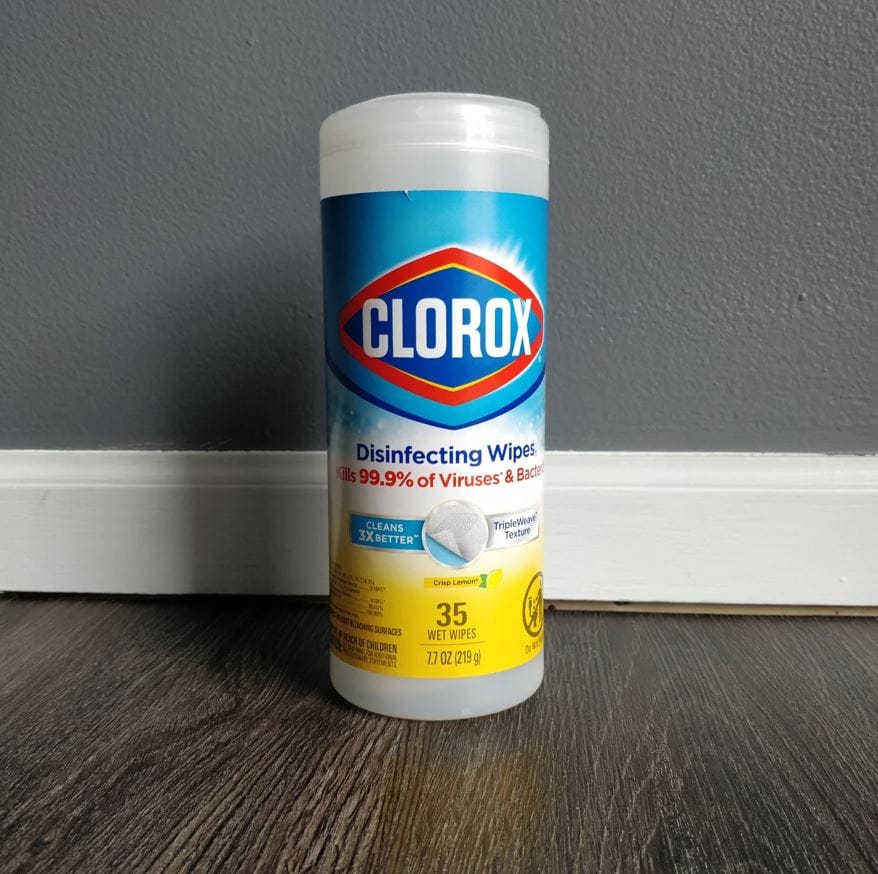
Let’s not bury the lead. Yes, standard Clorox wipes and most other disinfecting wipes can be toxic to dogs.
The danger isn’t necessarily in a single, tiny lick, but in the cumulative exposure and the specific circumstances. The chemicals designed to annihilate germs on your countertops don’t discriminate—they can also harm your dog’s sensitive system.
As Dr. Sarah Wooten, DVM, explains, “Dogs have a much different metabolism than humans. Chemicals we can tolerate on a surface level can be very dangerous when ingested or absorbed through their skin. Their grooming habits mean that anything on their paws or fur ends up in their mouth.”
Decoding the Ingredients: What’s Actually in That Wipe?
Think of this as looking under the hood of an app. To understand the risk, you need to read the source code—in this case, the ingredient label. The primary active ingredient in most Clorox wipes is a chemical called Sodium Hypochlorite, better known as household bleach.
Here’s a quick comparison table of the key ingredients and their risks:
| Ingredient | What It Is | Primary Risk to Dogs |
|---|---|---|
| Sodium Hypochlorite | The active component in bleach. | Severe tissue irritation to the mouth, esophagus, and stomach. Causes drooling, vomiting, and difficulty breathing if fumes are inhaled. |
| Quaternary Ammonium Compounds (“Quats”) | Another common disinfectant in many wipes (e.g., Lysol). | Highly toxic if ingested. Can cause burns, lethargy, muscle weakness, and even seizures. |
| Surfactants & Fragrances | Soap-like agents and artificial scents. | Gastrointestinal upset (vomiting, diarrhea). Fragrances can be irritating to a dog’s superior sense of smell and respiratory tract. |
The Two Main Risk Vectors: A System Analysis
The toxicity isn’t just about direct ingestion. Think of it as a two-pronged threat to your pet’s operating system.
1. Direct Ingestion: The Obvious Glitch
This is the most critical scenario. If your dog chews on a used or even a fresh wipe, they are getting a concentrated dose of these chemicals. This can lead to immediate chemical burns in the mouth and throughout the digestive tract, leading to vomiting, drooling, and abdominal pain.
2. Surface Residue: The Silent Background Process
This is the more common, insidious risk. When you wipe a surface like a floor, your dog’s food bowl, or a favorite toy, the chemical residue doesn’t instantly vanish. It remains active until the surface is fully dry.
When your dog walks on that floor and then licks their paws, or drinks from a wiped bowl, they are consuming small amounts of these toxins. Over time, this low-level exposure can lead to chronic health issues, including skin irritation and gastrointestinal problems.
The Better Way: Tech-Enabled, Pet-Safe Cleaning Alternatives
Just as we’ve moved from bulky desktop computers to sleek, cloud-based apps, we can upgrade our cleaning protocols. The goal isn’t to live in a dirty home; it’s to use smarter, safer “technology.”
1. The Power of Steam Cleaners
This is my top recommendation. Steam cleaners use only water, super-heated to produce steam that kills 99.9% of bacteria and viruses without any chemicals. It’s like using a high-temperature algorithm to wipe a hard drive clean. It’s safe for your dog the moment the surface cools.
2. Dedicated Pet-Safe Disinfectants
Look for products explicitly labeled as pet-safe. Brands like Force of Nature and Branch Basics use ingredients like hypochlorous acid, which is effective against pathogens but is non-toxic and created by your own white blood cells. It’s the body’s natural disinfectant, bottled.
3. The Old-Fashioned, Reliable Protocol: Diluted Vinegar
For everyday cleaning, a solution of 50% white vinegar and 50% water is a safe and effective choice. While it’s not a hospital-grade disinfectant for all viruses, it’s excellent for general cleaning and deodorizing and is completely harmless to pets.
The Final Verdict: Time for an Upgrade
So, are Clorox wipes toxic for dogs? The consensus is clear: the risks far outweigh the convenience.
While the occasional use on a high-up surface your dog can’t reach might be low-risk, using them as your primary cleaning tool in a home with pets is like running outdated, vulnerable software. You’re inviting unnecessary risk.
Protecting your dog doesn’t mean sacrificing a clean home. It means making a smarter, more informed choice about the “technology” you use. Embrace pet-safe disinfectants, harness the power of steam, and you can have a home that’s clean for you and safe for your four-legged best friend.