Will Clorox Kill Cockroaches? The Truth You Need to Know
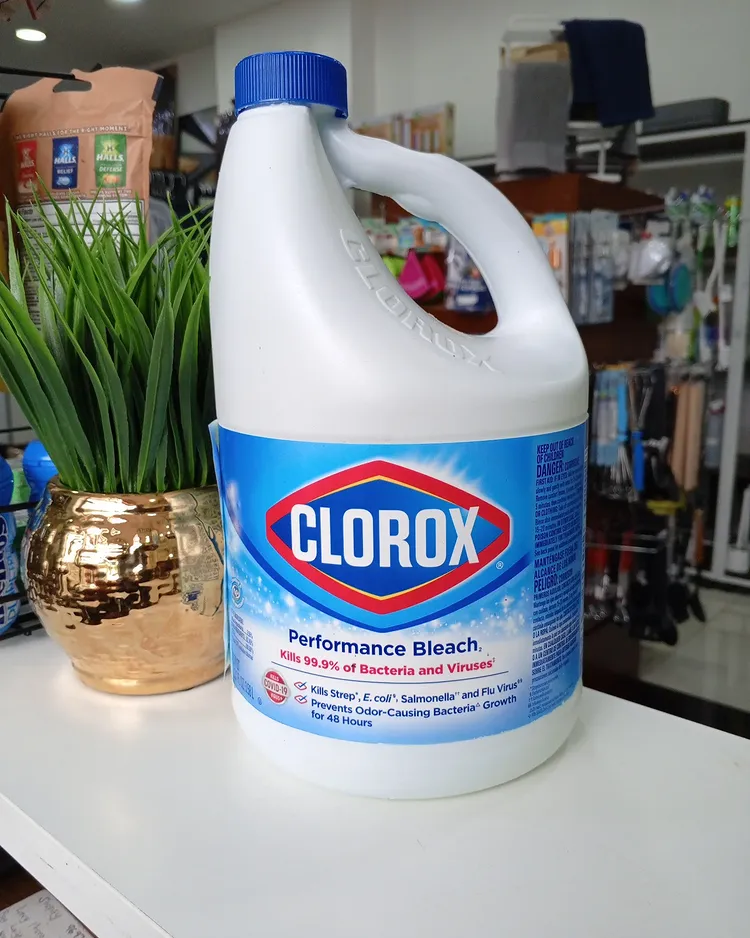
You’ve seen a cockroach scuttle across your kitchen floor. Your heart pounds. You grab the nearest weapon—a bottle of Clorox bleach. It’s a powerful cleaner, so it must be a powerful bug killer, right?
Hold on! Before you start spraying, let’s get one thing straight: using Clorox as a roach killer is like using a sledgehammer to crack a nut. It might make a mess, but it won’t solve your problem.
As a tech educator, I love breaking down how things actually work. So, let’s dive into the gritty details of Clorox vs. cockroaches and uncover the smart, strategic, and truly effective ways to win this war.
The Short Answer: Yes, But It’s a Terrible Strategy
If you directly spray a cockroach with a significant amount of Clorox bleach, the roach will likely die. Bleach is a corrosive chemical that damages their exoskeleton and respiratory system.
But here’s the critical catch, straight from my tech mindset: Killing one visible roach is like deleting a pop-up ad without fixing the malware causing it. You’ve addressed a symptom, not the root cause.
“Dousing a roach in bleach is a panic-driven, one-and-done tactic. For an infestation, you need a systematic algorithm, not a single command.”
Why Clorox is a Lousy Long-Term Roach Solution
Think of your home’s roach infestation as a malicious network. The roaches you see are just the “spam” popping up on your screen. The real problem is the hidden “server”—the nest—churning out more roaches 24/7.
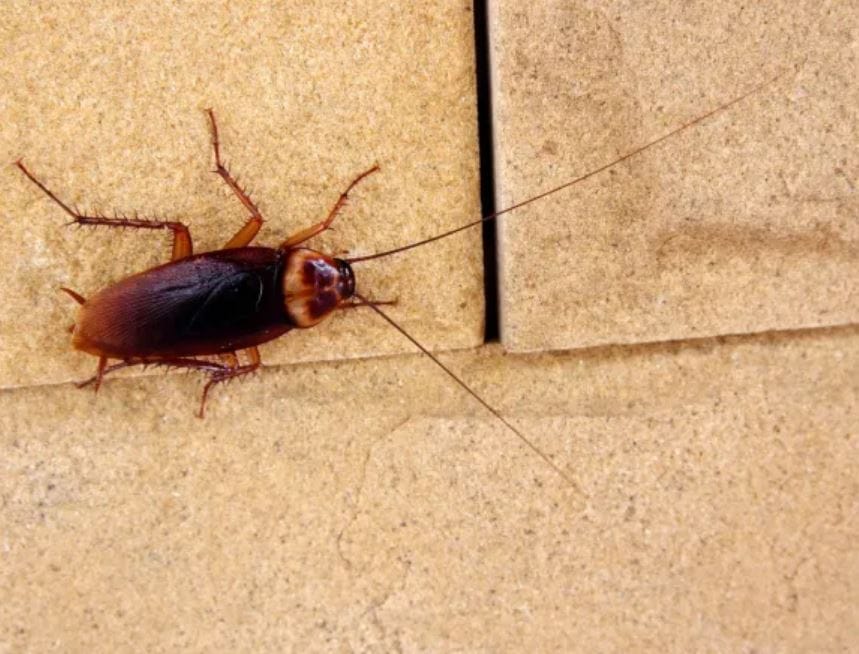
Here’s why Clorox fails as a core part of your security protocol:
- It Doesn’t Kill the Nest: Bleach evaporates quickly. It has no residual effect, meaning it doesn’t leave behind a active layer of insecticide. It can’t protect your home from the dozens of roaches you don’t see.
- It’s a Major Health Hazard: Bleach fumes are toxic to you and your pets. Using it liberally as a pesticide creates an unhealthy living environment. In the tech world, this is what we call creating a bigger problem than the one you’re trying to solve.
- It’s Not an Attractant: Effective roach baits are designed to be tasty. Roaches willingly eat the poison and carry it back to the nest. Bleach is a repellant. The strong smell simply drives roaches deeper into your walls, scattering the infestation and making it harder to eradicate.
Clorox vs. Professional-Grade Solutions: A Head-to-Head
Let’s compare Clorox to methods that are actually designed for the job. Think of this as comparing a basic freeware app to a professional software suite.
| Feature | Clorox Bleach | Gel Baits (The “Smart Bomb”) | Insect Growth Regulators (IGRs – The “Network Freeze”) |
|---|---|---|---|
| Kills on Direct Contact? | Yes | No (takes hours) | No |
| Kills the Hidden Nest? | No | Yes! (via transfer) | Yes! (disrupts reproduction) |
| Has a Residual Effect? | No | Yes | Yes |
| Safe for Home Use? | Risky | Relatively Safe | Very Safe |
| Overall Strategy | Reactive & Ineffective | Proactive & Targeted | Proactive & Systematic |
Your Actionable, Tech-Inspired Roach Elimination Plan
Forget the chaotic bleach spray. It’s time to deploy a multi-layered defense strategy, just like you’d secure a computer network.
Layer 1: The Bait Stations (Your “Trojan Horse”)
Gel baits are your frontline soldiers. Roaches are attracted to the bait, consume it, and then return to their nest where they die and are cannibalized by other roaches, poisoning the entire colony.
- Key Takeaway: Place pea-sized drops of gel bait in areas roaches love: under sinks, behind appliances, and in cabinet corners.
Layer 2: Insect Growth Regulators – IGRs (The “Reproductive Firewall”)
This is the secret weapon most people don’t know about. IGRs are chemicals that mimic roach hormones, preventing young roaches from maturing into adults and breaking the breeding cycle.
- Key Takeaway: Use an IGR spray (like Gentrol) in conjunction with your baits. It’s non-toxic to humans and pets but devastates the roach life cycle.
Layer 3: Exclusion and Sanitation (Your “System Updates”)
No strategy works if you leave the front door open. Deny roaches the resources they need.
- Seal Entry Points: Use caulk to seal cracks in baseboards and around pipes.
- Eliminate Food Sources: Never leave food out overnight. Store food in airtight containers.
- Fix Moisture Issues: Repair leaky faucets. Roaches need water to survive.
The Final Verdict: Skip the Clorox
So, will Clorox kill a cockroach? Technically, yes. But it’s an inefficient, hazardous, and ultimately futile method for dealing with an infestation.
Stop treating the symptom and start eliminating the source. Ditch the bleach and adopt a strategic, layered approach with baits and IGRs. It’s safer for your family, more effective against the hidden enemy, and will give you the peace of mind that your home is truly secure.