How to Wash and Care for Modal Fabric Clothes: The Ultimate Guide
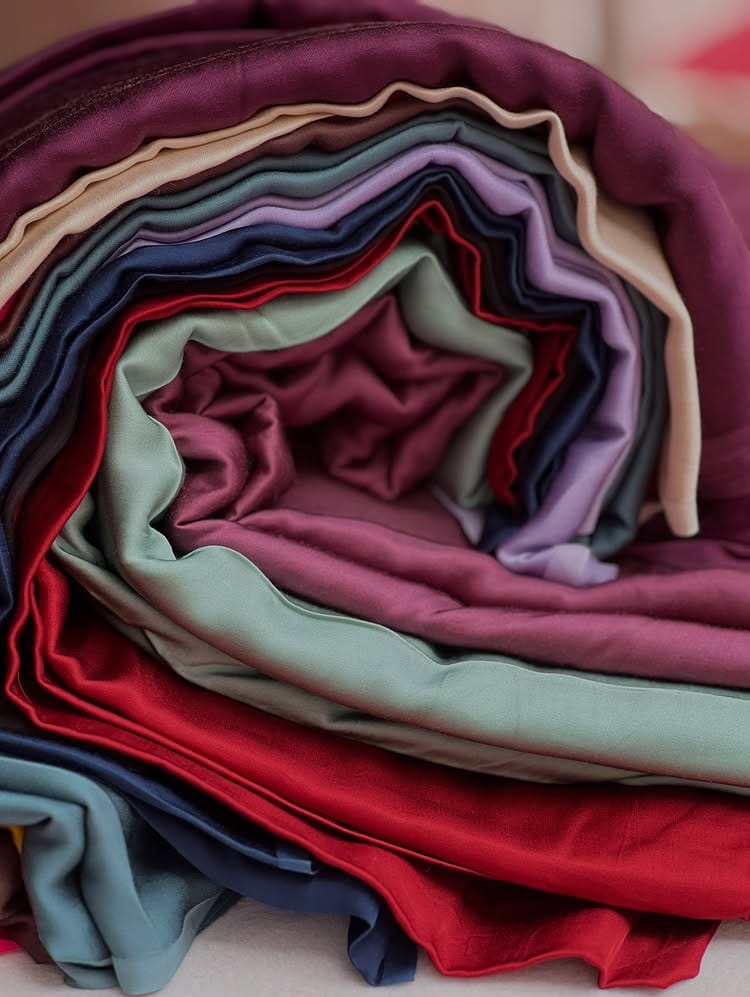
Before we dive into the care instructions, let’s understand what we’re dealing with. Modal is a type of rayon, a semi-synthetic fabric made from the pulp of beech trees. It’s celebrated for its incredible softness—often compared to silk or cotton—and its breathability, moisture-wicking properties, and resistance to shrinkage.
As Sarah Collins, a sustainable fashion consultant, notes:
“Modal is a dream to wear but a delicate darling to care for. Its cellulose-based fibers are strong when wet, unlike cotton, but they can lose their shape and smoothness if treated harshly. Gentle care is the key to preserving its luxurious feel.”
Because of its specific structure, modal requires a different approach than your everyday cottons and polyesters. Follow this guide to ensure your favorite modal pieces stand the test of time.
Why Proper Modal Care is Crucial
Modal’s unique properties are also its care requirements’ focal points. Proper washing and drying prevent:
- Pilling: The formation of small, fuzzy balls on the fabric surface.
- Loss of Softness: Harsh detergents and high heat can break down the fibers.
- Stretching and Warping: Modal is stretchy when wet and can easily lose its shape.
- Color Fading: The vibrant dyes used on modal can bleed if washed incorrectly.

Step-by-Step Guide to Washing Modal Fabric
Always check the care label first! It holds the manufacturer’s specific advice. When in doubt, follow these universal steps for hand or machine washing.
Hand Washing Modal (The Safest Method)
- Prepare the Water: Fill a clean basin or sink with cold or lukewarm water. Avoid hot water, as it can damage the fibers.
- Add Detergent: Use a mild, gentle detergent. Harsh chemicals, bleach, and fabric softeners should be avoided, as they can break down the fibers and reduce absorbency.
- Wash Gently: Submerge the garment and gently agitate it with your hands. Let it soak for no more than 15-20 minutes.
- Rinse Thoroughly: Drain the soapy water and refill the basin with clean, cold water. Rinse the garment until all soap suds are gone.
- Remove Water: Gently press the water out of the garment. Do not wring or twist the fabric, as this can cause stretching and misshaping.
Machine Washing Modal (The Convenient Option)
If your garment’s care tag permits machine washing, take these precautions:
- Cycle: Use the delicate, gentle, or hand wash cycle.
- Temperature: Cold water only.
- Detergent: A mild liquid detergent is best.
- Load: Wash modal items with similar colors. Turning them inside out can help minimize friction and protect the outer surface.
- Spin Speed: Opt for a low spin speed to reduce stress on the fibers.
The Dos and Don’ts of Drying Modal
This is where many modal garments meet their downfall. Heat is modal’s enemy.
The Right Way to Dry Modal
- Air Dry Flat: The absolute best method. Lay the garment flat on a clean towel or a drying rack. This prevents stretching and maintains the garment’s original shape.
- Line Dry: You can hang modal garments to dry, but be cautious. Use a padded hanger and hang them in a well-ventilated area away from direct sunlight, which can cause fading.
How NOT to Dry Modal
- DO NOT use a tumble dryer. The high heat will shrink, weaken, and wrinkle the fabric.
- DO NOT wring out excess water.
- DO NOT hang heavy, wet modal items (like sweaters) on a thin wire hanger, as the weight of the water will stretch them out of shape.
Ironing and Steaming Modal Fabric
Modal is prone to wrinkling, but it responds well to heat when controlled.
- Ironing: Use a low heat setting (synthetic or silk setting). Always iron the garment inside out or place a cloth pressing cloth between the iron and the fabric to prevent scorching or shine marks. Never leave the iron in one place for too long.
- Steaming: A garment steamer is the ideal choice for modal. It gently removes wrinkles without direct contact, minimizing the risk of damage.
Storing Your Modal Garments
Proper storage keeps your modal pieces ready to wear.
- Fold knit items like t-shirts and sweaters and store them in a drawer to avoid stretching on hangers.
- Woven modal items, like blouses, can be hung on padded or wooden hangers.
- Ensure the storage area is cool, dry, and away from direct sunlight.
Modal vs. Cotton: A Care Comparison Table
This table highlights why modal requires a more delicate touch compared to everyday cotton.
| Care Aspect | Modal Fabric | Cotton Fabric |
|---|---|---|
| Washing Temperature | Cold or Lukewarm Water | Hot, Warm, or Cold (more versatile) |
| Cycle / Method | Delicate Cycle or Hand Wash | Most cycles, including Normal |
| Detergent | Mild, Gentle Detergent | Most standard detergents |
| Fabric Softener | Not Recommended | Can be used |
| Tumble Drying | Not Recommended; Air Dry Only | Can be tumble dried on various heats |
| Ironing Temperature | Low Heat | Medium to High Heat |
| Prone to Shrinking | Yes, with heat | Yes, especially with high heat |
| Prone to Stretching | Yes, when wet | Less so |
Conclusion: Love Your Modal, Care for Your Modal
Modal fabric offers an unparalleled combination of comfort, breathability, and drape. By treating it with the gentle care it deserves—opting for cold water, mild detergent, and air drying—you can preserve its luxurious feel and vibrant color for years to come. Remember, a little extra effort in the laundry room means your favorite modal pieces will remain a soft, comfortable staple in your wardrobe for a long, long time.