How to Spot and Address Roof Damage Before It’s Too Late
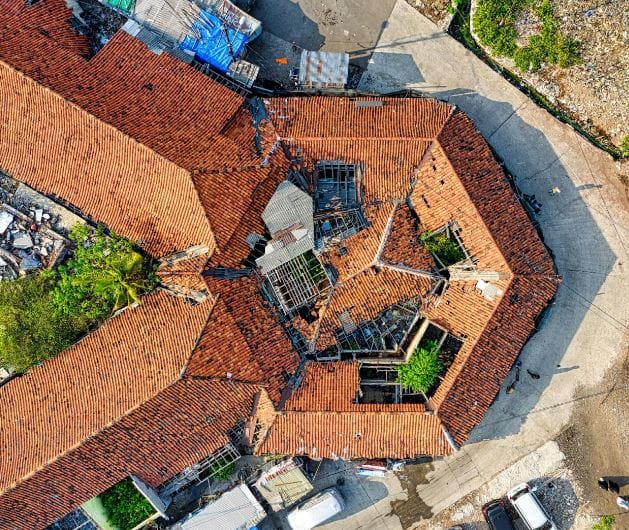
Roof damage can often go unnoticed until it becomes a costly issue requiring extensive repairs or even a full replacement. Understanding how to spot early signs of roof damage is critical for homeowners. By recognizing these signs, you can take timely action to address the problem and prevent further complications. Here, we will explore common causes of roof damage, how to identify them, and the steps you can take to protect your home.
Common Causes of Roof Damage
Various factors contribute to roof damage, and understanding them is key to preventive maintenance. Weather elements like rain, snow, wind, and hail can wreak havoc on roofing materials, regardless of their quality. Heavy rain can lead to leaks that may compromise insulation and the roof structure. Snow accumulation poses a risk of ice dams forming, which can result in water backing up under shingles.
High winds can cause loose shingles to be torn off, exposing the underlying layers of the roof. Every day wear and tear, particularly in older roofs, increases susceptibility to damage. Aging roofing materials may become brittle, cracked, or warped, creating vulnerabilities that can lead to leaks. With typical asphalt shingles, expect a lifespan of about 20 years. With proper maintenance, they may last longer. If your home has an older roof, it is essential to keep a vigilant eye on its condition to prevent untimely expenses.
Identifying Signs of Damage
To catch roof damage early, homeowners need to be vigilant in looking for potential issues. One of the easiest ways to spot damage is from the ground by examining the roof’s surface. Look for missing or curling shingles, as these are indicators that shingles are nearing the end of their lifespan. Check for any discoloration or algae growth, which can suggest trapped moisture, favorable conditions for leaks. Pay attention to any granules that may have accumulated in gutters, as this indicates shingle wear.
Regularly investigate the attic for signs of leakage or water stains. Rotting wood, damp insulation, or mold growth can reveal underlying roof issues that may lead to extensive damage. Be sure to inspect any areas near chimneys, vents, or skylights, as these spots are more prone to leaks due to their design. If any signs of roof damage are found, addressing them promptly is imperative.
Conducting Routine Inspections
Establishing a routine inspection regimen can help detect roofing issues before they escalate. Ideally, perform a thorough check at least twice a year, preferably in spring and fall when weather conditions are more favorable. Inspecting after major storms can help identify new damage and address it immediately. When scheduling inspections, it may be wise to hire professionals so they can check areas you may not be able to reach safely. A professional roofer can anticipate potential issues and spot hidden damage that may not be visible to the average homeowner. Regular inspections prolong the life of your roof and can save thousands of dollars in repairs down the line. If you are in need of assistance, consider reaching out to experts in roofing services to ensure a thorough evaluation of your roof’s condition.
Proactive Maintenance Tips
Preventing roof damage begins with proactive maintenance efforts. Cleaning out gutters at least twice a year is essential to ensure proper drainage. Clogged gutters can lead to water pooling and increase the risk of leaks.
Trim any overhanging trees near your roof to prevent branches from causing physical damage during storms. Another effective maintenance strategy is to apply a protective sealant to roof shingles. This can extend their lifespan, as sealants add an extra layer of protection against UV rays and moisture. Homeowners should consider upgrading to more robust roofing materials, such as impact-resistant shingles, especially if they live in a hail-prone area. Regular maintenance can lead to better performance and longevity of your roofing system.
When to Seek Professional Help
While performing maintenance and inspections is important, knowing when to hand over the reins to professionals is equally crucial. Any signs of significant damage, such as sagging areas, large water stains in your attic, or extensive shingle loss, warrant an immediate call to a roofing expert. Ignoring such issues can exacerbate problems and lead to serious consequences for your home, such as mold growth or structural instability.
If you notice increased energy bills, this could be a sign that your roofing materials are compromising the insulation of your home. This calls for a comprehensive assessment to determine whether repairs or a complete replacement are necessary. As explained by the experts from GreatStateRoof.com, professional roofers can identify underlying issues efficiently, preventing costly problems in the future. Regular evaluations involving professionals are a worthwhile investment in your home’s safety and longevity.
Understanding the Cost of Repairs
The financial aspect of roof repairs can differ greatly depending on various factors, including the extent of the damage and the type of materials needed. A small roof leak might only require a quick patch, typically costing a few hundred dollars. In contrast, more extensive damage requiring roof replacement can run upwards of ten thousand dollars or more. This is why being proactive about maintenance is so essential to prevent significant financial burdens down the line.
When facing repair costs, consider obtaining estimates from multiple contractors to ensure you’re getting the best deal. Transparent contractors will break down costs associated with labor, materials, and any other fees. Research roofing warranties and insurance claims, as certain repairs might be covered by your homeowner’s insurance policy, making it easier to budget for unexpected costs.
By regularly inspecting your roof, addressing minor issues promptly, and maintaining open communication with roofing professionals, you can ensure a safe and sound home. Don’t underestimate the importance of a well-kept roof, as it is one of the first lines of defense against the elements.