How to Make the Most of Your Budget in a Custom Home Project
Budgeting is a major part of building a new home. It is usually something you have to face when you are creating that initial plan, and it may be something you dread. However, it is important to keep in mind that creating a custom home doesn’t have to break your bank.
If you plan properly, make intelligent decisions during the building process, and avoid overspending on things you don’t need, you can definitely design that dream home without going bankrupt!
Are you a first time builder or someone who has been planning custom home builds for a very long time? Regardless of your level of expertise, we have a guide for you that will allow you to use your budget in the best way possible to build a functional and beautiful space for yourself.
- Planning Should Be Your Priority
For you to be able to follow a budget you must set one in the first place. Budgets are almost always set when you are planning everything out in the initial phases. The better the plan the easier it will be for you to set a limit.
Start with a clear vision and be very specific. Count the number of rooms, the layout, the furniture, accents, color, and any special features that may cost a bit extra.
The best way to make the most of this activity is to hire an expert custom home builder, Cranberry. Experts can work with a budget estimate you provide and figure out the best way to meet your vision in that set budget. It saves you a lot of guesswork.
- What Matters Most To You
You only have so much money, and you want to utilize it in the best way possible. Start by listing down the things that matter the most to you without which you simply cannot visualize your dream custom home. This allows you to determine where you want to allocate those resources the most.
For example, if a large living room is important to you then you might have to compromise on a large kitchen or a walk-in pantry. You could combine the two to make the space appear less cramped. However, there is always going to be an opportunity cost.
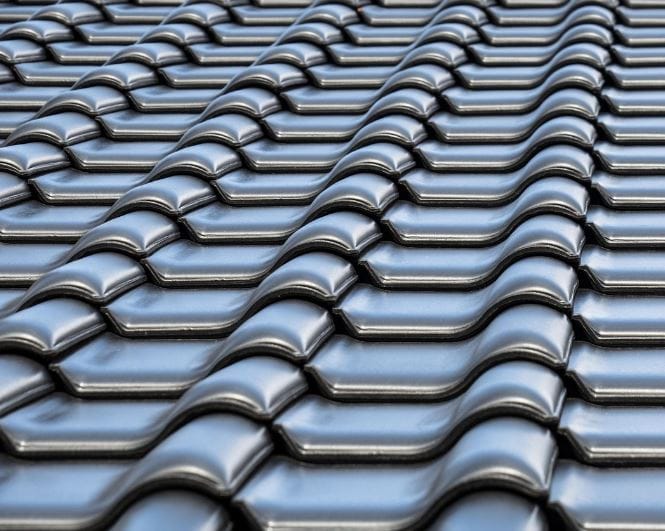
Keep in mind that additional features that serve purely an aesthetic purpose might make you feel excited in the short run. However, more practical investments such as durable roofing materials can save you a lot more money in the long-term.
- Opt For Minimalism
The more complicated your design the more expensive it is going to get. There are also quite a few chances it doesn’t pan out entirely how you want it to. Instead of complicated customizations try going to open spaces that cost a lot less to construct as well as maintain in the future.
You also don’t need to spend an excessive amount of money to source top-notch materials from the other end of the globe. Use the budget you have to add practical, affordable, and easily sourced flooring materials for most of the rooms in your house. Then pick small aspects of your home and spend on premium material if you really want to, for example, hardwood flooring in the living room.
- Time is of the Essence
When you start that construction project is really going to affect the overall pricing. Hiring experts during months when business is slow might get you a really good deal on the overall cost of bringing experts on board.
Moreover, if you avoid waiting till the very last minute to source all your materials, you may be able to get all your necessary items at half the price. All you need to do is plan ahead, keep track of all you need, and contact multiple providers.
Pro Tip: Hiring a team of experts who can manage the entire process and order those materials for you can save you a lot of stress.
- DIY as a Last Resort
If you find that you have been overspending on a particular aspect of the process, recreate the plan. Let the absolute necessities wind up and take on some of the tasks as a DIY project. For example, painting the walls, installing light fixtures, or a variety of other tasks are ones you can easily do yourself. This allows you to save a lot of the extra labor cost.
Of course this is an absolute last resort and it doesn’t work for all requirements. Things like permits or flooring require professional assistance and it can actually be quite dangerous to take it up yourself if you are not an expert yourself.
- Reach Out for Multiple Bids
Who said you have to settle on the first company you contact for your custom home building project. If you find a quote exceeds your budget, there’s no harm in contacting a couple of back-ups just in case you are unable to afford your first option.
The more bids you receive the easier it will be for you to compare all the costs and find the best value for your money. Make sure you push the experts to list out everything that is included in the plan to avoid nasty shocks in the form of hidden fees.
- Create a Simple Tracker
You might have created a budget right at the start, but have you been tracking all those expenses against the features you want to add to your home? Come up with a simple tracker and jot down every expense throughout the entire process. You can also break it up into categories.
For example, the team of experts should have a separate column, and so should materials. You could categorize permits separately, and have an entirely different column for additional or miscellaneous costs. Dedicate the rows to further breaking down the types of expenses and the reasoning. Don’t forget to analyze it every week and figure out if you can cut down on the costs.
Final Thoughts
Now that we have that plan ready, are you excited to pull those sleeves up and get to it? Remember that it isn’t hard to stay in line with your budget if you keep a close track of it. Focus on the essentials first and if you have enough space in your budget, add additional items right at the end! That way, you keep your finances in control while letting your dreams run wild!