Key Factors to Consider When Selecting a Metal Roof for Your House
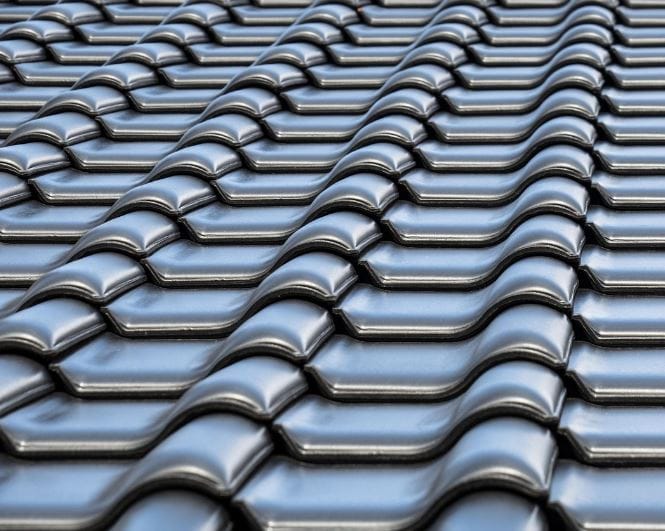
Metal roofing has become one of the most sought-after options for homeowners thanks to its durability, energy efficiency, and sleek aesthetic appeal. Unlike traditional asphalt shingles, which may last 15 to 20 years, a well-installed metal roof can protect your home for 40 years or more. But before investing in this long-term solution, it’s important to understand the key factors that go into choosing the right metal roofing system for your specific needs.
Material Choices and Longevity
Metal roofs aren’t one-size-fits-all. Homeowners can choose from materials like steel, aluminum, zinc, and copper, each offering unique benefits. Steel is cost-effective and durable, while aluminum resists corrosion, making it perfect for coastal areas. Zinc is known for its self-healing properties that extend lifespan, and copper provides a timeless, high-end look that develops a natural patina.
The longevity of a roof depends on the material’s thickness and protective coatings. Galvanized or galvalume coatings, for example, improve rust resistance, extending the lifespan of steel roofs significantly. Choosing the right material comes down to climate, budget, and long-term goals for your home.
Professional Installation and Expertise
Even the best roofing materials won’t perform well without proper installation. This is why it’s important to work with experienced contractors who specialize in metal roofing. Reliable metal roofing experts can ensure that every detail, from underlayment to fasteners, is handled correctly, minimizing the risk of leaks or structural problems. Professional installers understand local building codes, ventilation requirements, and insulation best practices. Their expertise doesn’t just guarantee a safe installation; it protects your investment by ensuring your roof lasts as long as possible.
Style, Design, and Curb Appeal
Beyond functionality, metal roofs bring a unique visual appeal to homes. They are available in a wide variety of finishes, textures, and colors that can mimic traditional shingles, slate, or even wood shakes. For homeowners aiming for a modern look, standing seam panels create sleek lines that instantly elevate curb appeal.
When selecting design options, consider how the roof will complement your home’s style and neighborhood aesthetic. A bold color may make a statement, but a neutral finish could better enhance resale value if you plan to sell your home in the future.
Energy Efficiency and Environmental Impact
One of the biggest advantages of metal roofing is its energy performance. Reflective coatings help reduce heat absorption, keeping homes cooler during hot summers and lowering energy bills. In colder climates, metal roofs are effective at shedding snow and ice, which protects the structure from potential water damage.
Metal roofs are often made from recycled materials and are 100% recyclable at the end of their lifespan. For eco-conscious homeowners, this makes them a more sustainable option compared to asphalt shingles that typically end up in landfills.
Maintenance Requirements
While metal roofs are low-maintenance compared to other options, they aren’t maintenance-free. Occasional inspections are necessary to check for loose fasteners, damaged coatings, or debris buildup. Keeping gutters clean and ensuring nearby trees don’t cause scratches or dents will help preserve the roof’s appearance and longevity.
Fortunately, maintenance is minimal compared to alternatives. With periodic care, your roof will continue to perform efficiently and look beautiful for decades.
Choosing the right metal roof involves balancing practical needs with personal preferences. From selecting the right material and finish to ensuring professional installation and long-term efficiency, every factor plays a role in maximizing value and performance. A carefully chosen metal roof safeguards your home and enhances its beauty, sustainability, and resale potential.